























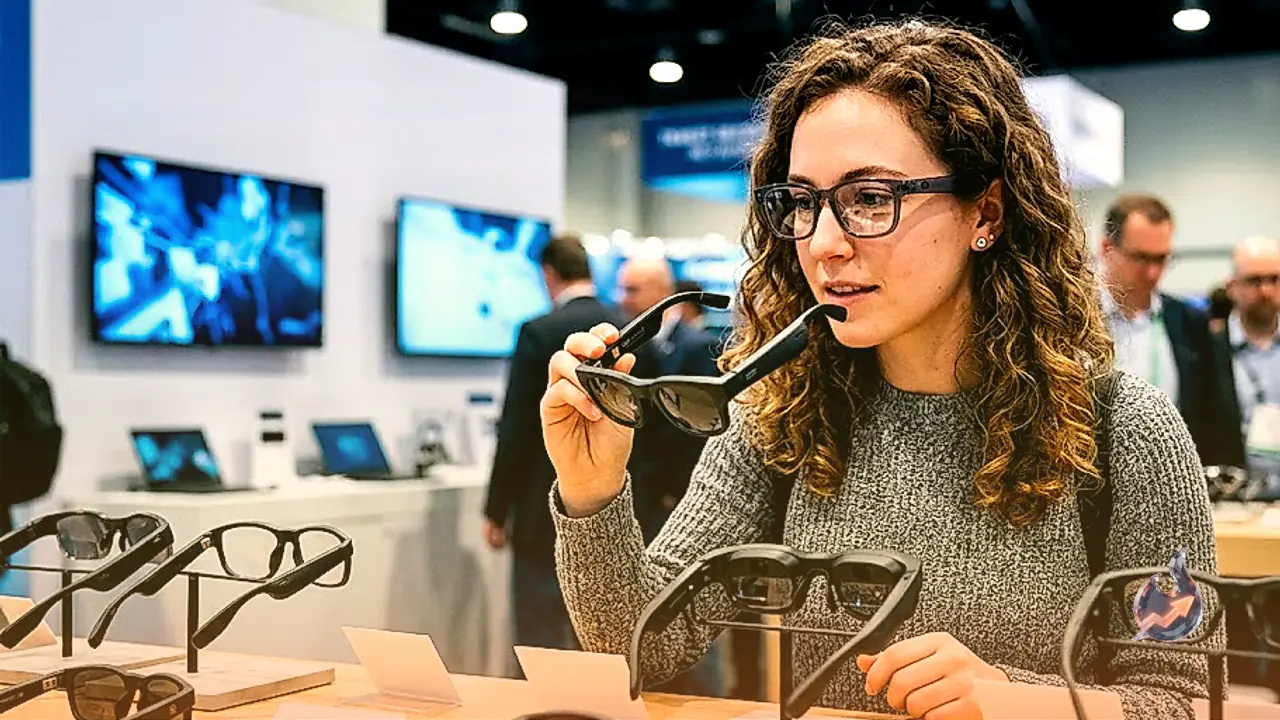

While generative artificial intelligence dominates technology conversations, wearable smart glasses are quietly positioning themselves as the hardware platform of tomorrow. Miniaturized components and improved battery efficiency have finally pushed these devices past the novelty stage into practical, everyday use. Industry giants like Meta, Apple, and Google, alongside specialized engineering startups, are accelerating their investments in face-worn computing. For buyers looking to purchase a pair as a gift or personal upgrade, navigating the broad spectrum of designs, operating platforms, and price tiers requires understanding how each device serves different daily routines.
The Best Daily Driver for Everyday Wear
For individuals seeking an unobtrusive daily pair of sunglasses that packs modern connectivity, the Ray-Ban Meta frames remain the benchmark. Designed with classic optical aesthetics, they carry no external bulk that signals a tech gadget. The onboard array supports open-ear audio streaming, voice-activated communication, phone calls, and hands-free photo and video capture. Furthermore, integrated conversational artificial intelligence handles spoken queries on demand. For those comfortable with Meta ecosystem integration and surrounding social discussions on cameras in public spaces, they represent a versatile all-around choice. Refurbished matte black polarized models often retail around $263.00 through Best Buy.
The Portable Cinema for Travel and Gaming
Frequent flyers and gaming enthusiasts often prioritize visual screen estate over voice assistants. The XReal XBX a01 serves strictly as a high-resolution personal monitor worn on the face. By tethering the glasses via USB-C to any compatible phone, gaming deck, or computer, users see a floating 1080p virtual screen equivalent to a massive 147-inch display. The setup provides total visual privacy during long train or airplane commutes, functioning seamlessly as a second desktop monitor or immersive game screen. Priced competitively around $299.00 on Amazon, it offers an accessible entry point into wearable displays.
Discreet Data Displays for Professionals and Tech Enthusiasts
When the objective shifts from media immersion to discreet real-time data, the Even Realities G2 takes a distinct approach. These glasses bypass video streaming entirely in favor of an ultra-lightweight form factor suitable for continuous workplace wear. Glancing upward activates an unobtrusive monochrome heads-up display inside the lens, presenting real-time walking directions, teleprompter notes, and incoming alert feeds. An onboard AI answers instant queries, while an expanding library of specialized apps assists with tasks ranging from acoustic bird call recognition to instrument tuning. The hardware lists at $599.00 directly from the Even Realities storefront.
High-Definition Video and Navigation for Endurance Athletes
Outdoor runners and road cyclists need rugged equipment that withstands physical motion without cumbersome smartphone handling. The $379 Bleequp Rangers bypass heads-up visual overlays and voice AI, concentrating resources on performance tracking and field capture. Equipped with a 16-megapixel camera, they shoot high-definition video and crisp still photography from the wearer's perspective. Open-ear audio preserves environmental awareness while delivering turn-by-turn routing instructions and push-to-talk walkie-talkie communication between team members. An optional external power pack extends continuous video capture up to four hours on extended journeys.
Dynamic Tint Control for Fashion and Lifestyle Enthusiasts
For users who view eyewear primarily through the lens of aesthetic personal style, the Chamelo Music Shield introduces dynamic electronic functionality. While lacking embedded cameras, artificial intelligence processing, or visual displays, the frames feature proprietary electronically adjustable lenses. A simple slide across the temple arm shifts tint darkness instantly, allowing wearers to match ambient sunlight levels or coordinate tint shades with their wardrobe. Built-in open-ear Bluetooth drivers handle music playback and casual calls, retailing on Amazon for approximately $229.00.
Breaking Down the Four Core Categories of Smart Eyewear
The label smart glasses encompasses vastly different hardware configurations. Navigating this emerging market is simplest when breaking down models by their primary functional priority
- Audio-Focused Frames: These models house miniature speakers and microphones directly inside standard eyeglass temples. They exclude cameras and displays entirely, functioning as comfortable open-ear headsets for phone conversations, podcasts, and smartphone voice assistants. Devices like the Reebok Smart Audio Glasses represent this low-profile segment.
- Camera-Centric Eyewear: Integrating tiny cameras into frame corners, these glasses capture first-person point-of-view photos and video reels instantly. Despite ongoing privacy debates, camera-equipped models make up approximately 80% of current consumer smart glasses demand, drawing major strategic investments from industry leaders like Apple and Samsung. The Ray-Ban Meta series leads this space for creators and vloggers.
- Media and Display Glasses: Serving as pocketable monitors, these devices utilize micro-displays to project a massive virtual desktop directly in front of the eyes. They require physical wired connections to laptops, mobile phones, or handheld gaming systems, making models like the XReal One Pro ideal for airplane entertainment.
- Heads-Up Display (HUD) Hardware: Designed for all-day wear with clear prescription or sunglasses lenses, HUD frames project subtle monochrome notifications, speech transcriptions, and directional arrows into the wearer's line of sight without blocking vision. The Even Realities G2 exemplifies this category for professionals seeking hands-free productivity.