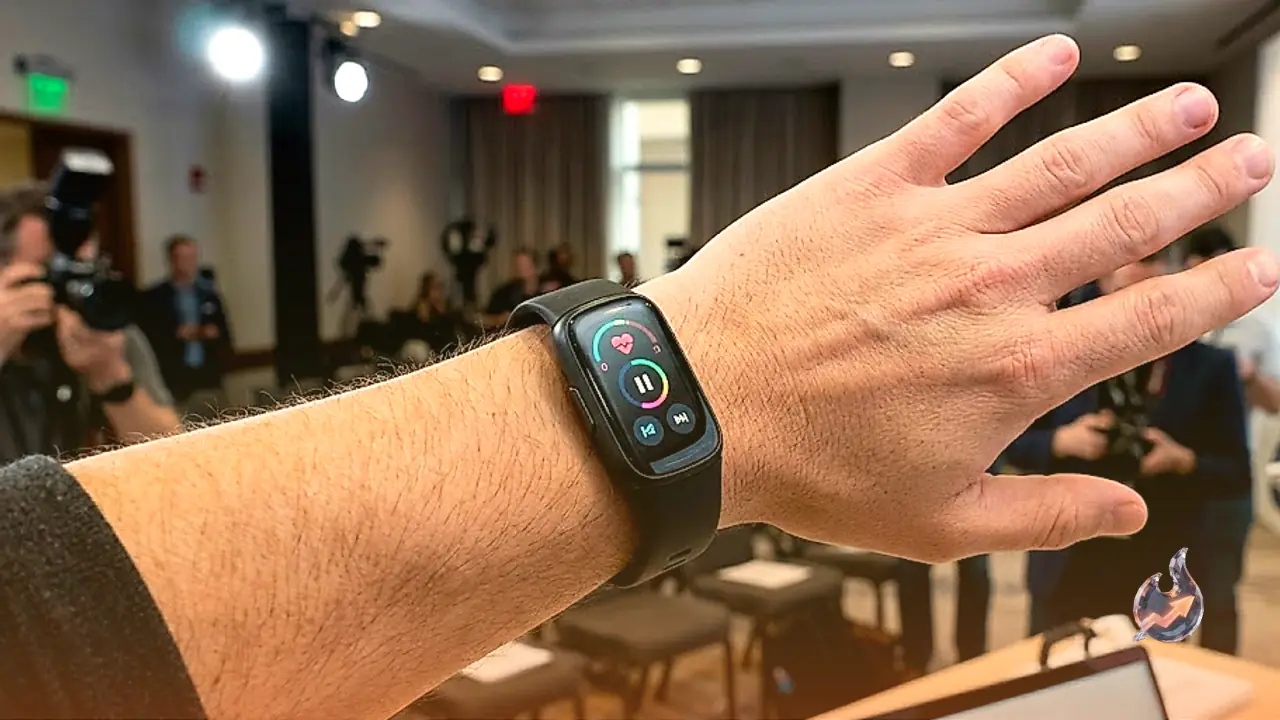


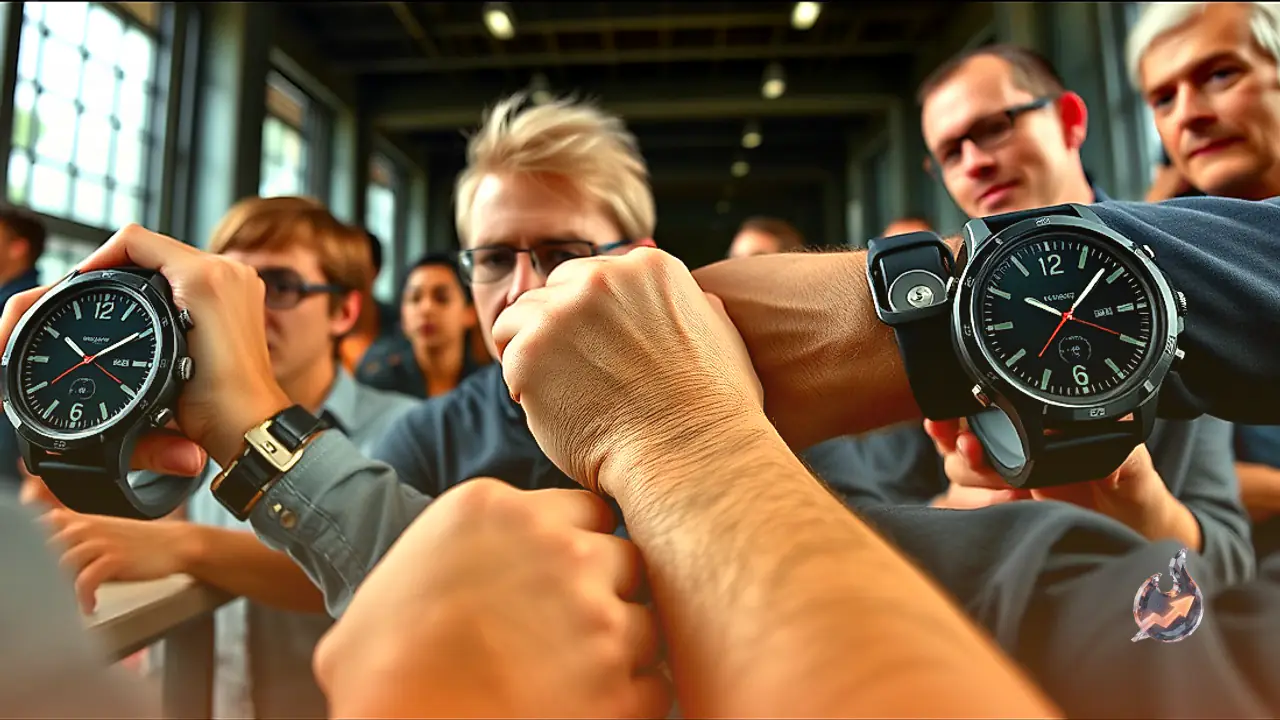



















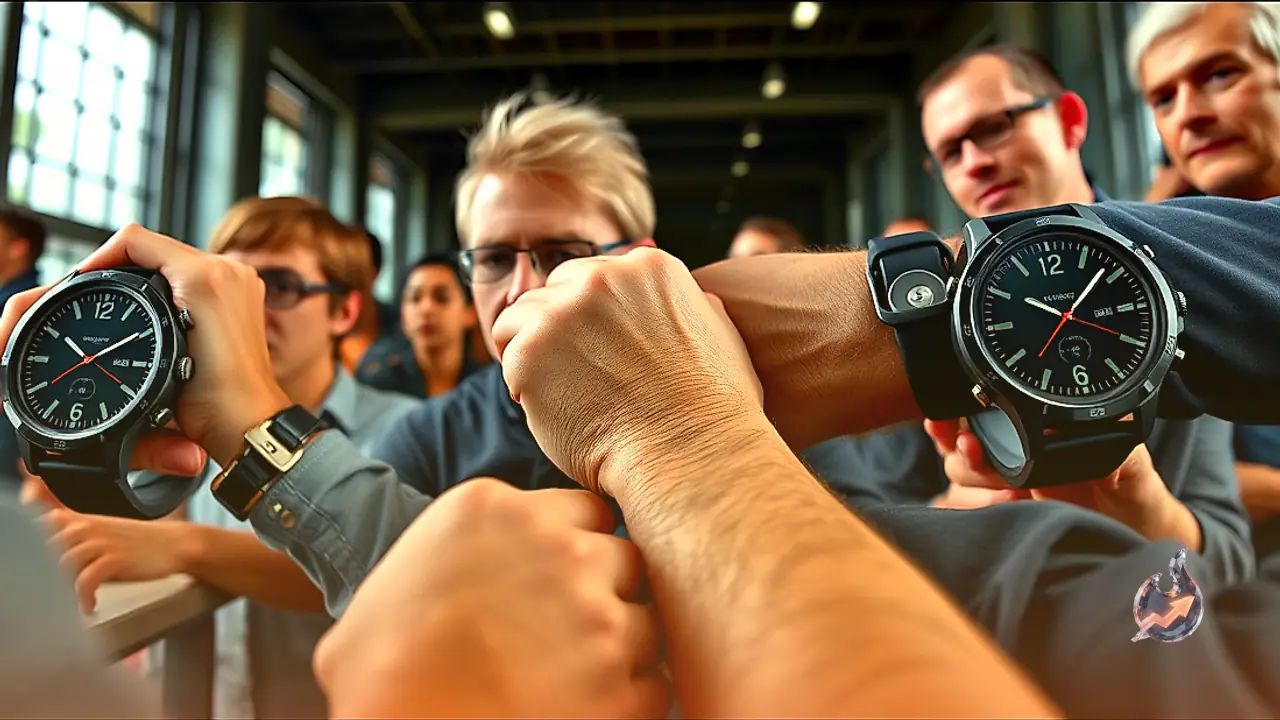

Finnish sports watch maker Suunto expanded its performance timepiece lineup this week with the release of the Race 3S, priced at $599. The standout technical enhancement in the new model is its silicon-carbon battery pack. According to the manufacturer, this chemistry allows the watch to deliver up to 38 hours of continuous tracking in dual-band GPS mode, extending up to 45 hours in Endurance mode. Under regular training schedules, the battery lasts up to 10 days, while standard daily smartwatch operation reaches up to 12 days. Built with a premium lightweight design, the introduction of this model highlights the structured distinctions across the brand's primary sports watch families: Run, Race, and Vertical.
The Suunto Run Series: Ultra-Lightweight Utility for Road Runners
The Run family is engineered specifically for asphalt athletes, runners progressing from 5K races through full marathon distances, and anyone seeking a timepiece light enough to remain barely perceptible on the wrist, even when worn overnight for sleep monitoring. It represents the most accessible entry threshold into the broader ecosystem of the company's devices.
Key entries in this collection include the original Run and the Run 2. Weighing merely 35 grams, the base Run sports watch features a 1.32-inch AMOLED touchscreen paired with a tactile crown button. Its feature set encompasses dual-band accurate GPS, wrist-based heart rate tracking, comprehensive sleep health monitoring, 4GB of onboard storage for offline music playback, and up to 12 days of general battery longevity. Carrying an MSRP of $199 and frequently discounted to $179, both models in this line focus on simplicity, comfortable ergonomics, and foundational running metrics that rival competing athletic watches in the identical price segment.
The Suunto Race Series: High-Performance Data and Trail Navigation
Positioned as the core sweet spot of the portfolio, the Race family addresses the rigorous demands of trail runners, multi-sport triathletes, and competitors requiring comprehensive navigation tools and deep training analytics.
Hardware options within this line are tiered by wrist profile and screen preference. The Race S serves users looking for a smaller, compact chassis, while the Race 2 represents a larger casing format suited for individuals with broader wrists who prioritize display area over minimum weight. The Race 2, listed at $599, includes a 1.5-inch AMOLED screen, dual-GNSS capabilities, offline mapping, advanced navigation software, training metrics with recovery insights, over 115 sports modes, and up to 18 days of standby battery performance. Additionally, the original Race GPS model remains an option, having launched at $399 with frequent discounts to $299 for its large, high-luminance AMOLED panel.
The newly arrived Race 3S occupies the top tier of the family, packaging the compact dimensions of the Race S into an upgraded titanium and sapphire crystal build. Technical improvements are substantial: the battery capacity is 46 percent larger than that of the Race S, internal memory storage is doubled, and the display panel is 233 percent brighter. For athletes who want top-tier materials without stepping up to bulky cases, the model provides an advanced balance of endurance and design.
The Suunto Vertical Series: Expedition Durability for Off-Grid Adventures
Designed for ultra-distance mountain runners, alpine climbers, wilderness backpackers, and multi-day expedition crews, the Vertical family is constructed to endure harsh environments where electrical charging sources are unavailable for extended durations.
The current flagship of this segment is the Vertical 2, marketed explicitly as an expedition-grade instrument. Priced at $599, the unit carries a 49 mm case diameter, weighs approximately 87 grams, and is offered in stainless steel or titanium chassis configurations. The watch features 100-meter water resistance, a 1.5-inch AMOLED panel, more than 115 sports tracking modes, an upgraded optical heart rate sensor, and enhanced onboard processing memory. A notable hardware addition absent from the Run and Race watches is a built-in LED flashlight for nocturnal wilderness use. Battery longevity serves as the central pillar of the device: it is rated to operate up to 65 hours under Performance dual-frequency GPS tracking, stretching to an immense 250 hours in battery-conserving Tour mode.
Its predecessor, the first-generation Vertical, used a solar-assisted MIP (memory-in-pixel) screen designed to gather ambient light. While the original remains available at promotional discounts, the vibrant AMOLED panel on the Vertical 2 represents a significant advancement in map legibility and overall screen clarity.
Selecting the Ideal Model for Your Athletic Needs
While the brand maintains separate specialized equipment like the Core outdoor instruments and Ocean dive computers, standard athletic choices narrow down to Run, Race, and Vertical based on terrain, journey duration, and durability demands.
Road runners prioritizing featherweight comfort and streamlined training feedback will find the Run series most fitting. Athletes participating in diverse events, taking to rugged dirt paths, or demanding advanced navigation alongside a refined casing can select between the compact Race 3S, the expansive Race 2, or the value-focused original Race. Finally, explorers embarking on multi-day journeys far beyond power outlets will benefit most from the robust build and endurance ratings of the Vertical 2.