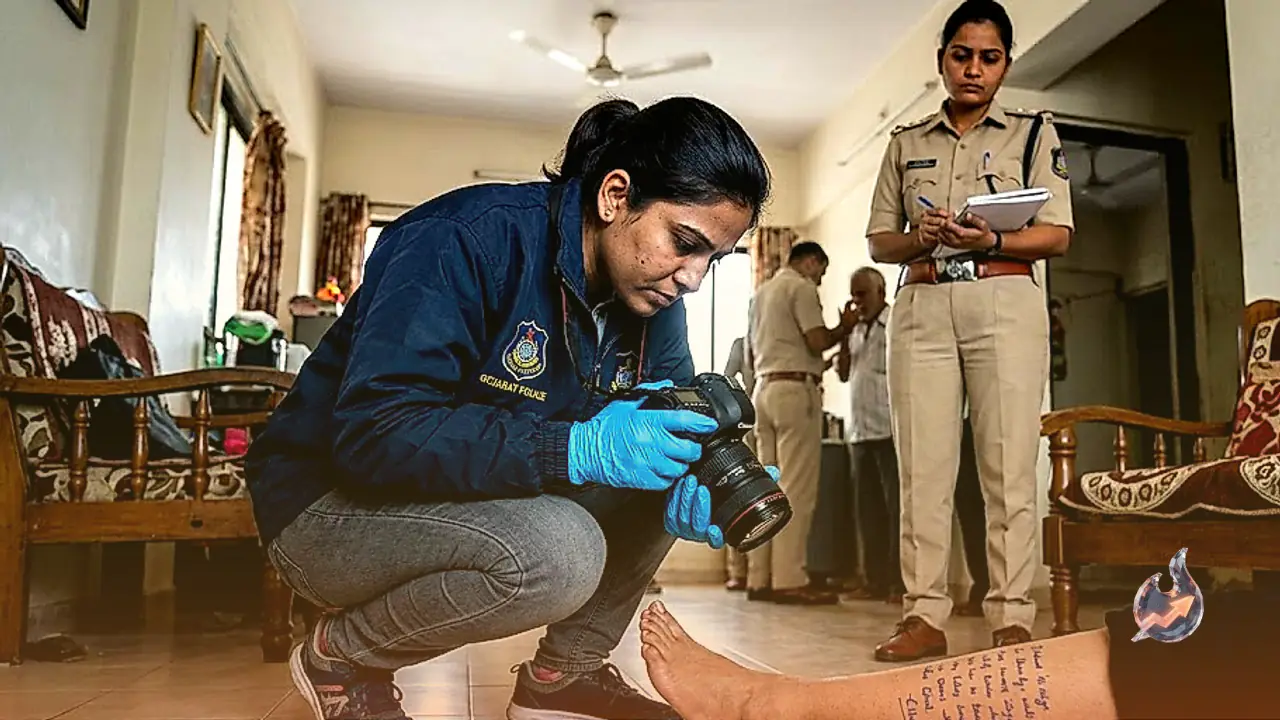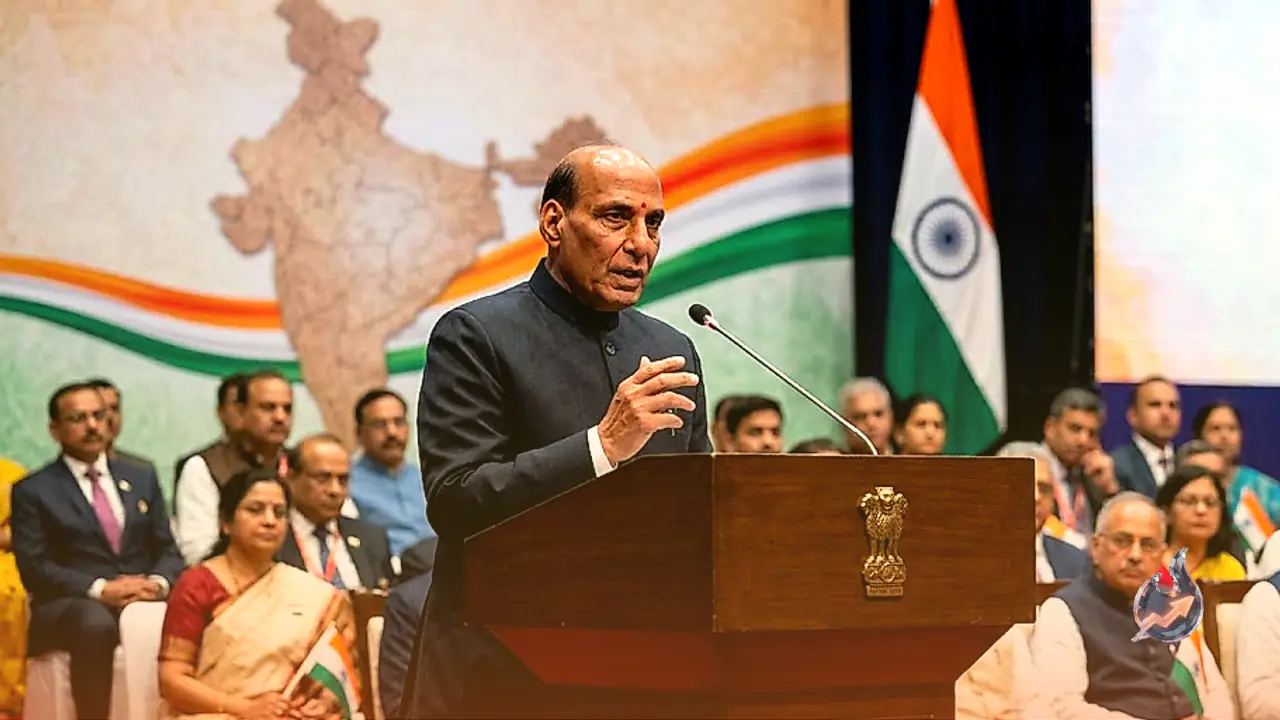























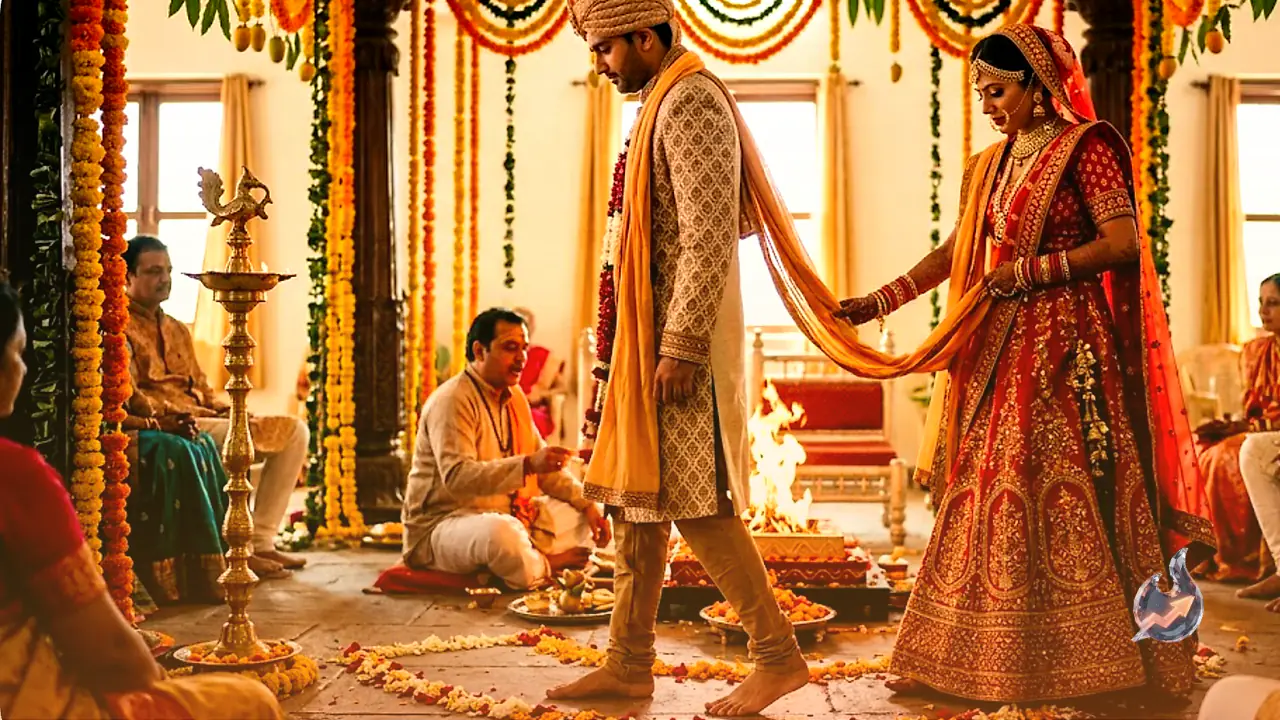

The Gujarat High Court has delivered a significant ruling on the legal validity of Hindu marriages, holding that the mere registration of a marriage is not sufficient to make it binding if essential traditional ceremonies, including the Saptapadi, were never performed. The court made clear that these time-honoured rituals are the very foundation of a legally recognised Hindu marriage.
Family Court Order from November Set Aside
The ruling came as the High Court overturned an order passed by a Family Court in November last year. The lower court had declined to declare an alleged marriage between two parties as void, a decision that was challenged before the High Court by a man living in Britain.
Kaushal Sonar's Case
The appellant in this matter, Kaushal Sonar, had approached the court seeking a declaration that the alleged marriage was invalid. He told the court that he first came to know of the supposed marriage when the respondent woman contacted his parents, produced a marriage certificate, and claimed to be his legally wedded wife. Sonar maintained that he had never married the woman, had never performed any Hindu wedding rituals with her, and had never lived with her in a marital capacity.
Woman's Own Admission Proved Decisive
The High Court took particular note of the fact that the respondent woman had herself clearly admitted before the Family Court that no wedding ceremonies or rituals had taken place between the two parties and that they had never shared a husband-wife relationship. Despite this candid admission, the Family Court had dismissed the appellant's petition, which the High Court found to be an error in judgement.
Saptapadi Is the Cornerstone of Hindu Marriage
A division bench comprising Justice Ilesh Vora and Justice RT Vachhani stated in its order that a mandatory rite like the Saptapadi forms the bedrock of Hindu marriage. The court observed that traditional ceremonies, despite their geographical and cultural variations, purify and transform a person's spiritual existence.
Section 7 of the Hindu Marriage Act Invoked
Citing Section 7 of the Hindu Marriage Act, the bench explained that the provision makes it mandatory to perform traditional rites and ceremonies for a marriage to be complete and legally binding. Since no rituals or ceremonies were conducted in this case, the court concluded that the fundamental and essential conditions for a valid Hindu marriage had simply not been met, and the alleged marriage could not be treated as legally valid.