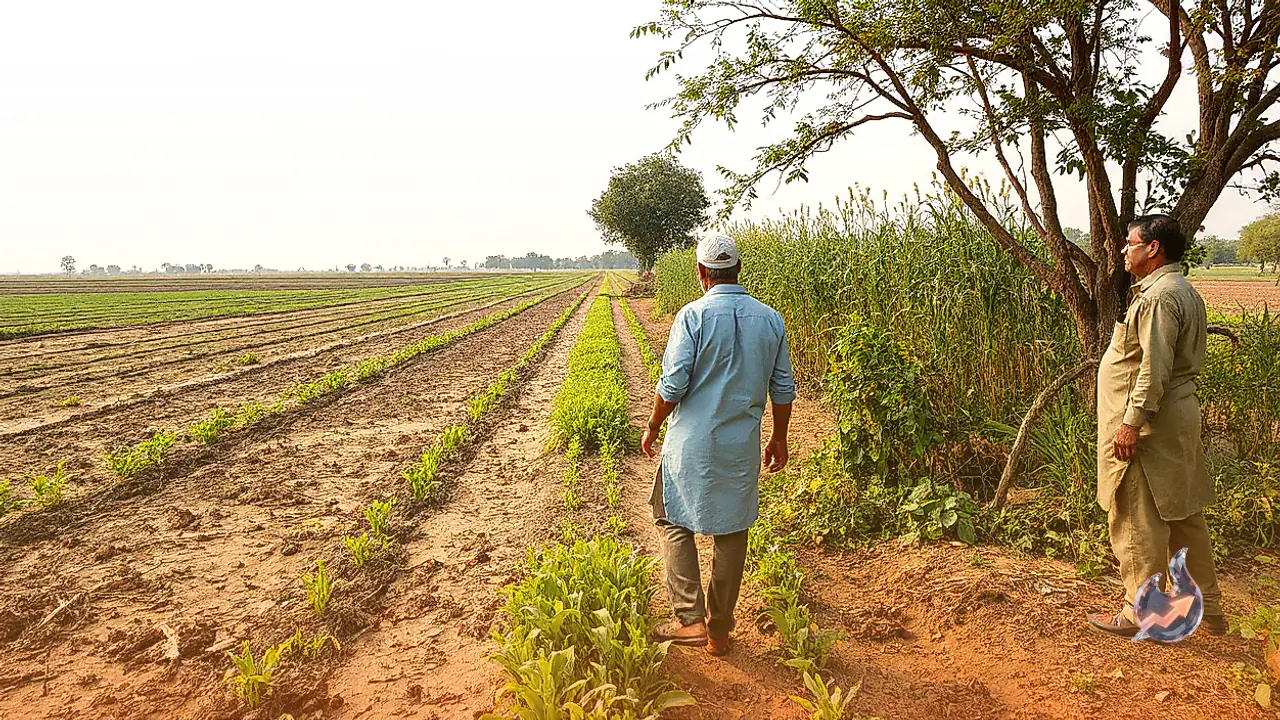

Shifting weather patterns across Bhiwani are having a noticeable impact on standing crops in the region. The transition featuring warm daytime temperatures alongside chilly mornings and evenings is creating a mixed environment for wheat and mustard fields. While this weather pattern generally suits mustard cultivation, it simultaneously elevates the risk of pest attacks and crop diseases. Consequently, farmers must exercise heightened vigilance to safeguard their yields. Dr. Yogita Bali, an agricultural expert at the Krishi Vigyan Kendra in Bhiwani, has issued specific guidance for farmers to navigate these challenges safely.
Early Crop Conditions and the Painted Bug Challenge
Dr. Yogita Bali noted that mustard crops have generally sprouted well across the region this season. However, farmers encountered a significant hurdle in the initial stages of farming due to infestations of the painted bug. Addressing this issue required prompt intervention to prevent extensive damage to the young plants.
Causes and Remedies for White Leaves
Numerous complaints poured in from farmers regarding plants developing unusual white leaves. Investigations revealed that this anomaly stemmed from the application of harsh chemical substances. Farmers were promptly provided with guidance on how to treat and rectify this issue. Following regular field visits and systematic crop monitoring, agronomists report that the mustard fields currently present a remarkably healthy and robust appearance.
Proper Irrigation and Urea Application Guidelines
Experts strongly recommend that farmers administer the first irrigation cycle to their mustard fields now. During irrigation, cultivators must ensure that water does not stagnate or pool inside the fields, as only controlled watering is required. Furthermore, farmers who have not yet added the recommended dose of urea should incorporate it into their fields during this stage.
Stem Rot Disease and Prevention Methods
To protect the crops from destructive infections, farmers need to keep a watchful eye on their fields. If any signs of stem rot begin to emerge, or if a whitish discoloration appears around the lower portions of the plant stems, cultivators should immediately contact the Krishi Vigyan Kendra for assistance.
When early symptoms of the disease become visible, timing is critical. Farmers can protect their crops by applying a 0.1 percent carbendazim spray during the 45 to 50 day crop stage and again at the 65 to 70 day maturity window.
Staying Connected with the Krishi Vigyan Kendra
The Krishi Vigyan Kendra in Bhiwani remains committed to delivering essential information and timely updates to local farmers. Official advisories issued by Chaudhary Charan Singh Haryana Agricultural University are regularly forwarded to dedicated farming groups. Therefore, farmers are encouraged to reach out to the Krishi Vigyan Kendra and register their names so they can be added to these informational channels and receive critical agricultural insights without delay.