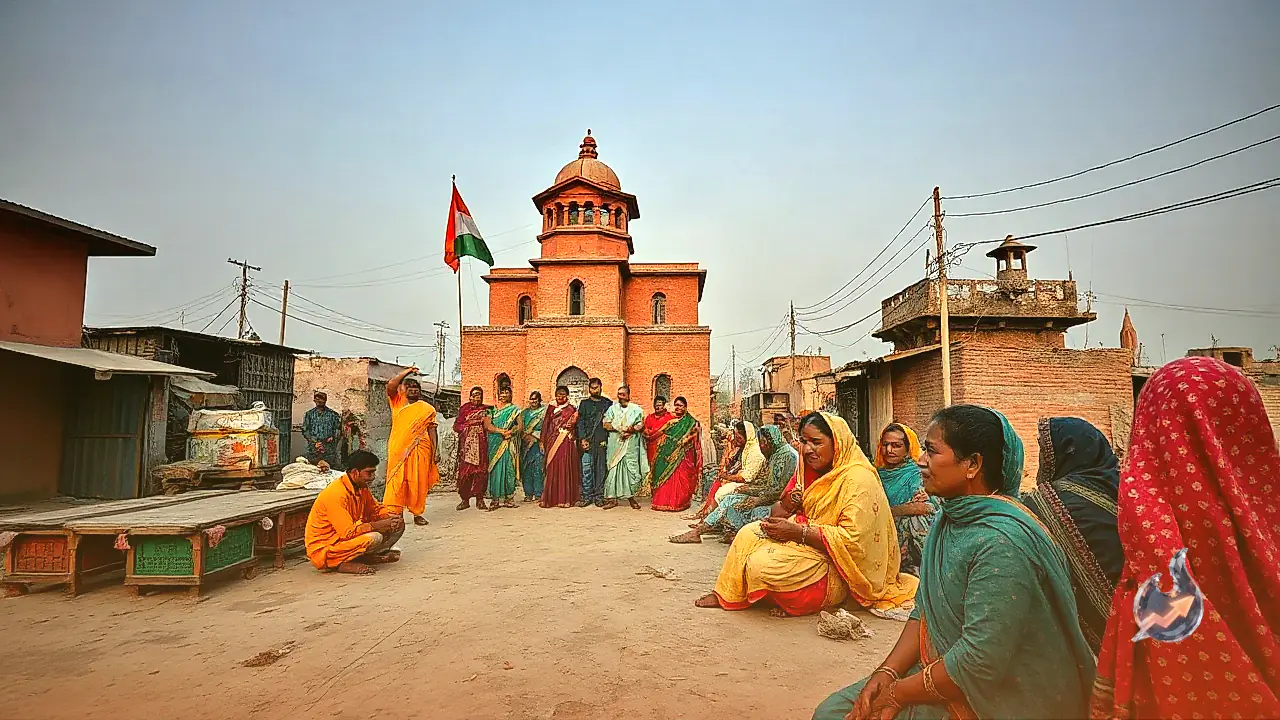

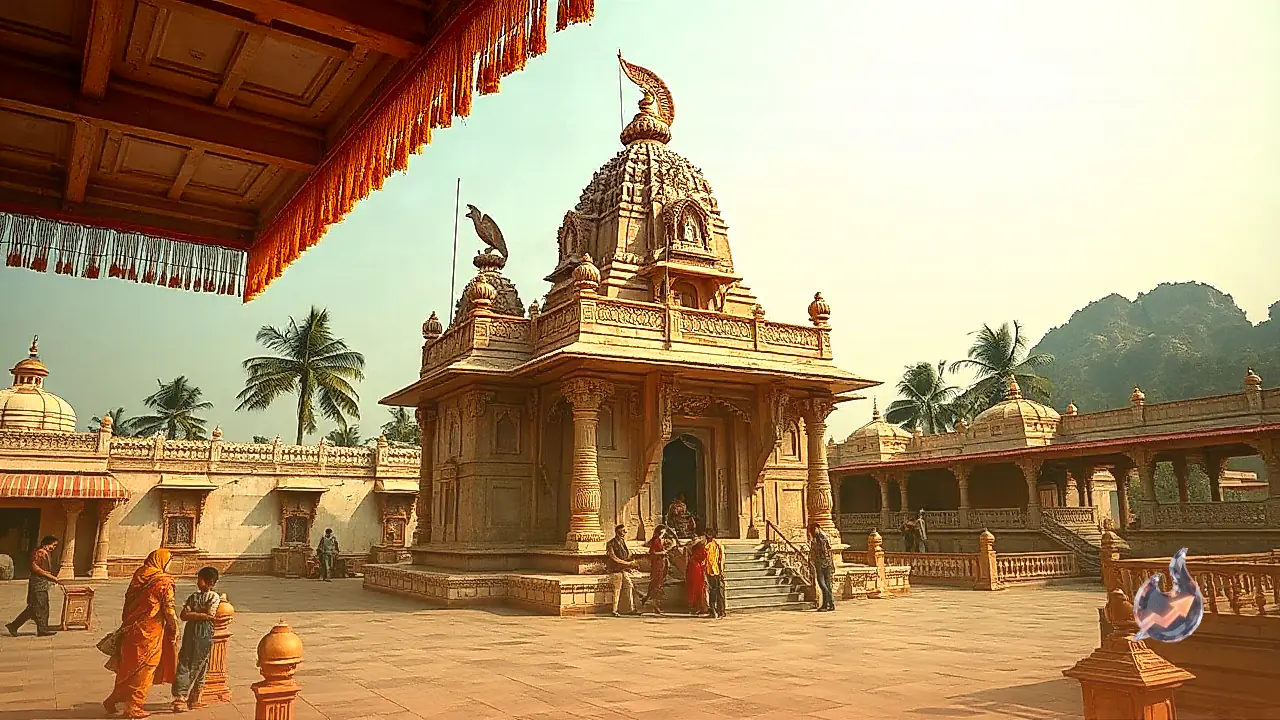

















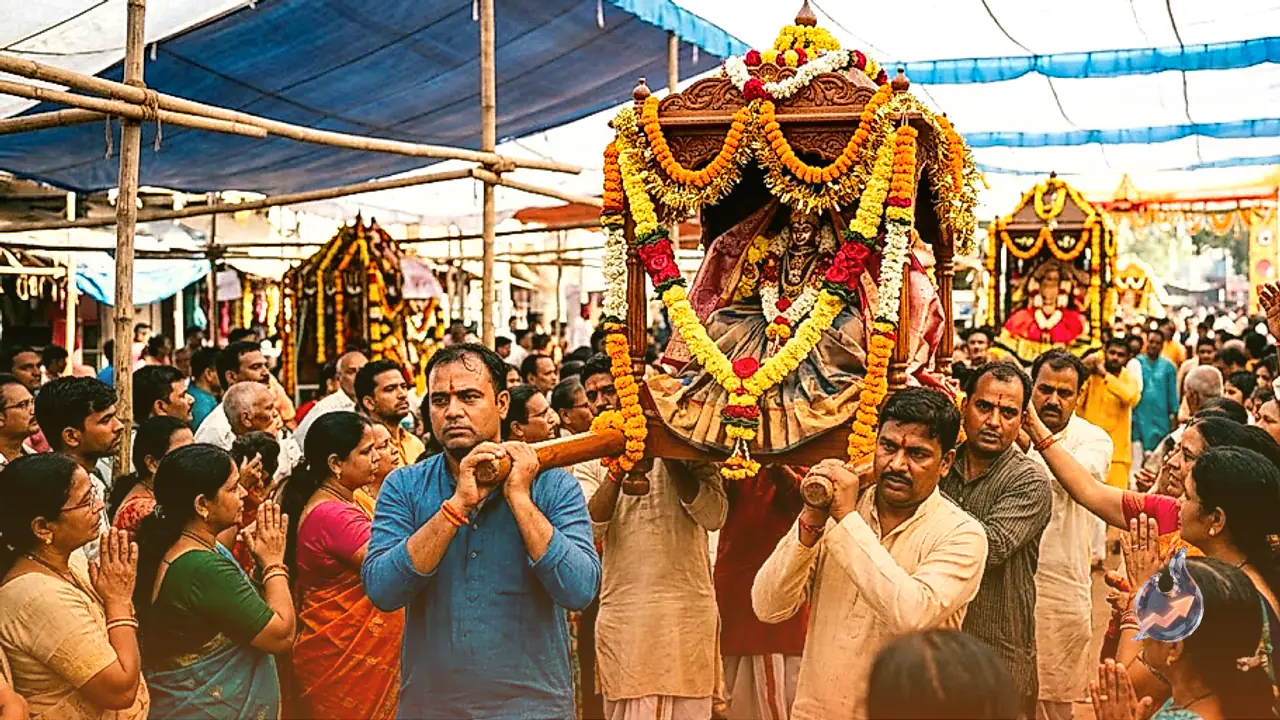

A deep-rooted religious and cultural heritage spanning roughly 125 years came alive once again in the northern city of Ambala. The annual three-day Vaman Dwadashi fair, a cornerstone of the region's spiritual calendar, formally commenced on Monday evening. Five sacred palanquins, known as hindolas, carrying idols of Lord Vaman, were ceremoniously installed inside an expansive pavilion erected at Purani Anaj Mandi. Drawn in ceremonial processions from various temples across the city, the arrival of these sacred thrones transformed the bustling commercial hub into a vibrant sanctuary of devotion, setting the stage for celebratory programmes continuing through September 23.
A Rare Heritage Shared by Ambala and Patiala
In the broader tapestry of northern India, the distinct custom of celebrating Vaman Dwadashi with collective community hindolas is documented primarily in Ambala and Patiala. Historical records trace the origins of this fair in Ambala back to around 1913-14. Shri Sanatan Dharam Sabha has been an intrinsic driving force behind the organization since 1913, later obtaining formal registration in 1963. Because of this uninterrupted continuity, the gathering is embraced not merely as a devotional congregation, but as a living testament to the civic cohesion and centuries-old social legacy of the locality.
Grand Processions Unite Palanquins from Five Historic Temples
For this year's iteration, religious processions were organized from five independent shrines across the township. Preserving ritual precedence, the foremost hindola departed from the historic Bada Thakurdwara Temple. It was joined along the route by palanquins emerging from four other city shrines. Winding their way through packed commercial markets and thoroughfares, the combined processions eventually converged at the dedicated marquee in Purani Anaj Mandi. The congregation now allows thousands of pilgrims and local residents to pay homage directly before the divine representations assembled in a single compound.
New Generation Steps Forward to Manage Festivities
Reflecting on the continuity of the event, temple priest Suman Pandey noted that the observance has sustained communal harmony in Ambala across generations. The practice of escorting sacred palanquins from scattered shrines to a central communal pavilion remains the vital heart of the festival. Pointing out that pilgrims travel from distant rural and urban pockets to attend, Pandey highlighted that around 40 to 50 local youth have voluntarily assumed operational charge this season, supervising crowd flow, security arrangements, and ceremonial discipline to keep the antique tradition relevant for emerging generations.
Quintals of Traditional Prasad and Exquisite Floral Decor
Anticipating high footfalls, comprehensive arrangements were instituted by the organizers. Shri Sanatan Dharam Sabha prepared roughly 7 quintals of traditional panjiri prasad for distribution among devotees. In addition, the individual participating temples contributed an extra 1.5 to 2 quintals of consecrated offerings. To withstand unpredictable weather conditions, the sprawling marquee was constructed utilizing heavy-duty waterproof fabric. The visual aesthetic of the pandal was elevated with consignments of exotic fresh flowers sourced directly from wholesale floral markets in Delhi and Kolkata, imparting an ethereal environment to the sacred enclosure.
Drone Flower Drops, Devotional Hymns, and Fireworks
The itinerary for the three-day carnival includes an eclectic mix of spiritual and cultural showcases. On the night of September 21, aerial drones hovering over the congregation showered fresh flower petals on assembled devotees, serving as a standout spectacle of modern celebration blended with ritual. The schedule for September 22 features day-long devotional hymn recitals, followed at nightfall by an elaborate illumination display and choreographed fireworks sourced exclusively from skilled pyrotechnicians in Saharanpur.
Culmination Procession and Sacred Immersion on September 23
The festival will reach its conclusion on September 23 with a sweeping farewell procession departing from Purani Anaj Mandi. This grand parade will feature brass bands arriving from neighbouring regions alongside ornate mythological tableaux crafted by artists from Meerut. Traversing major commercial quarters, the cortege will wind back toward Thakurdwara Temple. The concluding ritual will take place at the historic Navrang Rai Talab, where the five hindolas will receive a traditional ceremonial immersion. Following this sanctification rite, each sacred throne will be escorted back to its respective permanent sanctuary, concluding three days of civic celebration that honour Ambala's 125-year heritage.