
























Every household aspires to maintain an atmosphere of lasting peace, stability, and steady financial progress. Families constantly seek environments where members can discover fresh opportunities to thrive and grow together. Within Indian traditions, guidance drawn from Vastu Shastra and astrological beliefs has long held an important place in daily life. According to these traditional beliefs, placing specific symbolic items in the proper areas of a living space helps cultivate a harmonious and positive home atmosphere. Notably, adopting these simple Vastu measures does not require any major structural changes, renovation, or architectural alterations to the house.
Five Key Traditional Symbols of Prosperity and Good Fortune
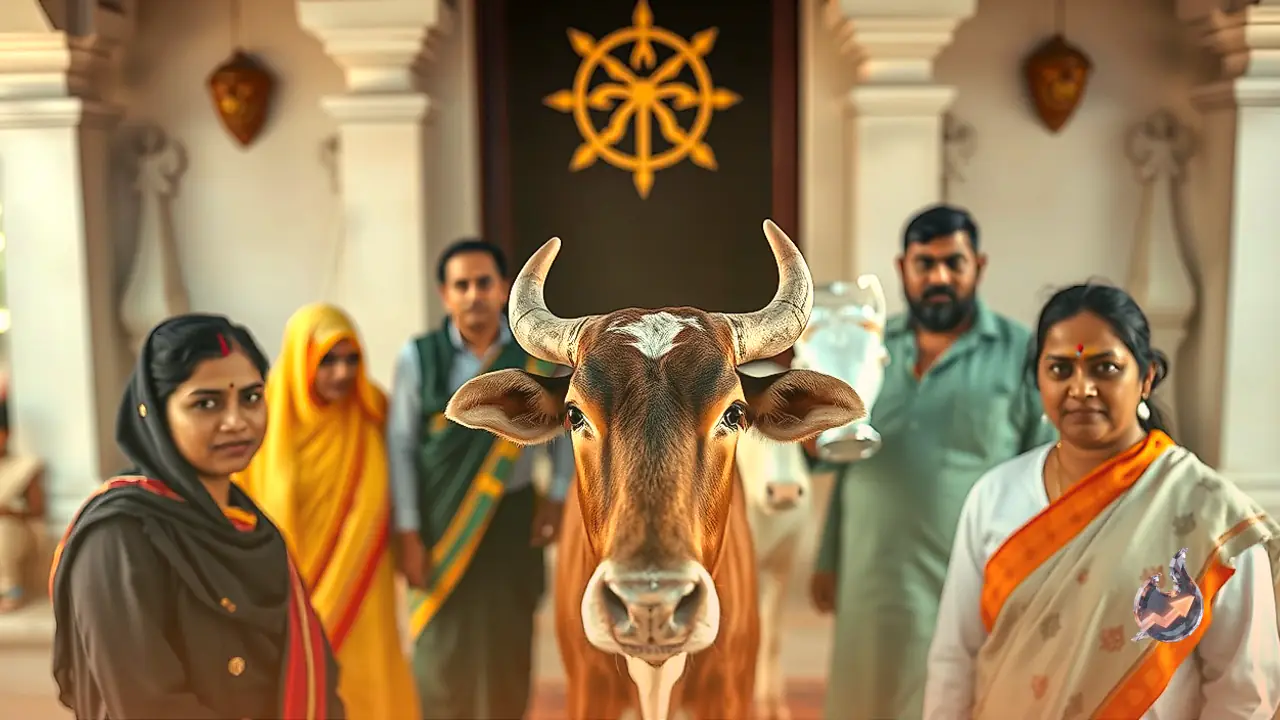
Five particular auspicious objects are prominently regarded in traditional thought as emblems of good fortune and prosperity. These include an idol of the Kamadhenu cow, the sacred Swastika, the Gomti Chakra tree, the Dakshinavarti Shankh, and the Kuber Yantra. The Kamadhenu cow represents nourishment, abundance, and holistic well-being. The Swastika is traditionally associated with auspicious beginnings and successful undertakings. Similarly, the Gomti Chakra tree is linked to steady financial balance and good fortune, while the Dakshinavarti Shankh is associated with Goddess Lakshmi and the Kuber Yantra with material wealth. Proper care and regular cleanliness around these sacred items are strongly emphasized. However, merely placing these items does not serve as an automatic guarantee of sudden wealth or the activation of royal fortune.
Proper Placement and Significance in the Household
Under Vastu principles, placing a Kamadhenu cow statue in the northeast zone, traditionally known as the Ishan corner, or inside the sacred prayer room is considered highly beneficial. In scriptural lore, Kamadhenu is associated with the churning of the cosmic ocean, serving as an enduring symbol of spiritual progress, nourishment, and material welfare. For the home entrance, there is an established tradition of either inscribing the Swastika symbol or mounting a metal Swastika on the main doorway. This mark denotes auspicious starts, advancement, and general protection. Many families also choose to place a Gomti Chakra tree in their residence or workplace, seeking sustained financial stability and favorable fortune.
Dakshinavarti Shankh, Kuber Yantra, and Practical Discipline
Lal Kitab astrologer Kumar Gaurav from Ambala points out that the Dakshinavarti Shankh is traditionally linked with Goddess Lakshmi, leading many households to reverently install it within their home shrine. Likewise, the Kuber Yantra is associated with Lord Kuber, the divine custodian of wealth. Devotees establish this sacred geometry with aspirations for business growth, financial advancement, and broader domestic prosperity. According to Kumar Gaurav, while keeping such auspicious symbols, maintaining genuine faith along with domestic cleanliness and a serene atmosphere is essential. At the same time, relying solely on symbolic items is not enough; achieving genuine progress in life equally demands persistent hard work, prudent decision-making, strict financial discipline, and preserving peace within the family circle.