



















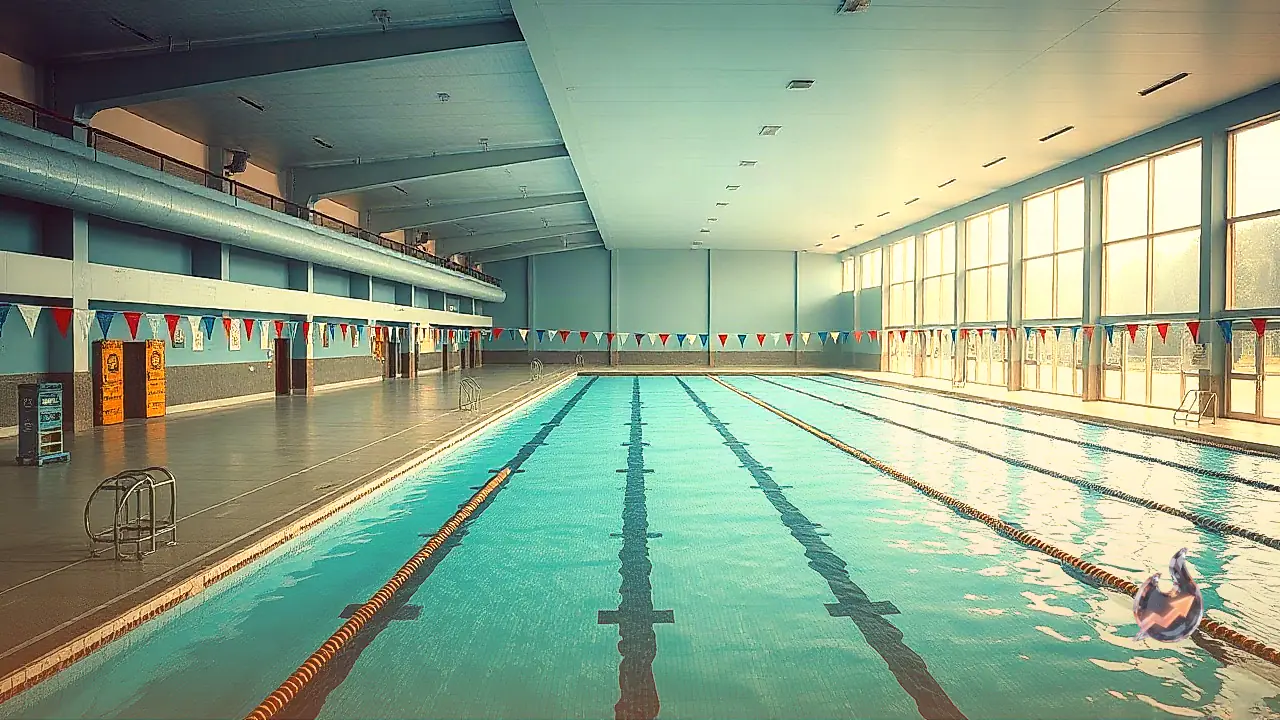

Swimming is emerging as a premier pathway for children and young athletes looking to blend rigorous physical fitness with viable sports careers. Young women from Haryana have already made their mark in international sports across diverse arenas, and their footprint in competitive swimming is growing steadily. Providing a world-class training ground for this talent, an international-standard all-weather swimming pool has been established in Ambala Cantt. Constructed with an investment of approximately 38.68 crore rupees, the facility serves as a vital resource for aspiring athletes, offering modern infrastructure and year-round practice opportunities unaffected by weather conditions.
Heated Waters Ensure Uninterrupted Winter Training
Traditional outdoor swimming centers often shut down or experience severe disruptions during the harsh winter months, but the advanced setup at Ambala Cantt bypasses these seasonal limitations. The complex features temperature-regulated heated water, ensuring that cold weather does not stall daily coaching routines. In addition to continuous training sessions, the venue regularly hosts swimming meets across multiple competitive levels. These events give young athletes vital real-world exposure to competitive environments, helping them test their stamina, refine their techniques, and manage tournament pressure.
Training Begins Early from Ages Three to Four
Swimming coach Ashish Choudhary, who has spent roughly 15 years training young athletes, notes that the Ambala complex is outfitted with top-tier athletic amenities. According to him, the foundation of competitive swimming can be laid at a remarkably young age. Children between 3 and 4 years old can enter the water to build comfort, overcome water anxiety, and grasp basic movements. Those who maintain steady practice routines begin demonstrating strong technical performance around the ages of 9 to 11. By the time they reach 14 to 15 years, these athletes are ready to transition into major competitive circuits.
A Decade-Long Pathway to National and Global Contests
Ascending to the pinnacle of competitive swimming requires extensive patience and sustained discipline. Ashish Choudhary points out that it typically takes 8 to 10 years of focused training for an athlete to progress from state circuits to national championships and ultimately to global stages. Swimmers at the center train for about 2 to 3 hours daily, with several youngsters dedicating their early morning hours to rigorous drills. Opportunities for female swimmers are expanding rapidly, with dozens of school and college students balancing academics alongside rigorous pool sessions.
Medals and Substantial Cash Rewards for Top Performers
Athletic excellence in competitive swimming brings more than trophies and podium finishes. Successful competitors often secure substantial cash prizes, with several premier championships offering financial rewards reaching into lakhs of rupees. Citing Indian swimmer Shivani Kataria, who represented the country at the 2016 Olympic Games, Ashish Choudhary noted that such milestones serve as powerful encouragement for young women entering the sport. He also emphasized that engaging children in athletic disciplines remains one of the most effective ways to shield them from substance abuse, instilling lifelong physical health and structured personal discipline.
Students Balance Board Exams with Podiums
Local athletes training at the facility are already proving that demanding academic coursework and competitive sports can go hand in hand. Aastha, an 11th-grade student who has been swimming for four years, explains that balancing school with athletic training has been a rewarding journey. Her long-term goal is to win an international gold medal for India. Meanwhile, 12th-grade student Shivani has been training in the pool for five years, dedicating around two hours every morning to practice while preparing for her final school examinations. Having already competed in the Senior National championship and secured several medals alongside cash prizes, Shivani credits the international-grade pool in Ambala with transforming their training standards as she sets her sights on winning honors for India on foreign soil.