




















New farming technique turns stubble into potato beds to curb pollution and save waterHaryana
17 Sept 2026, 10:06 am (1 day ago)· 1

New farming technique turns stubble into potato beds to curb pollution and save water

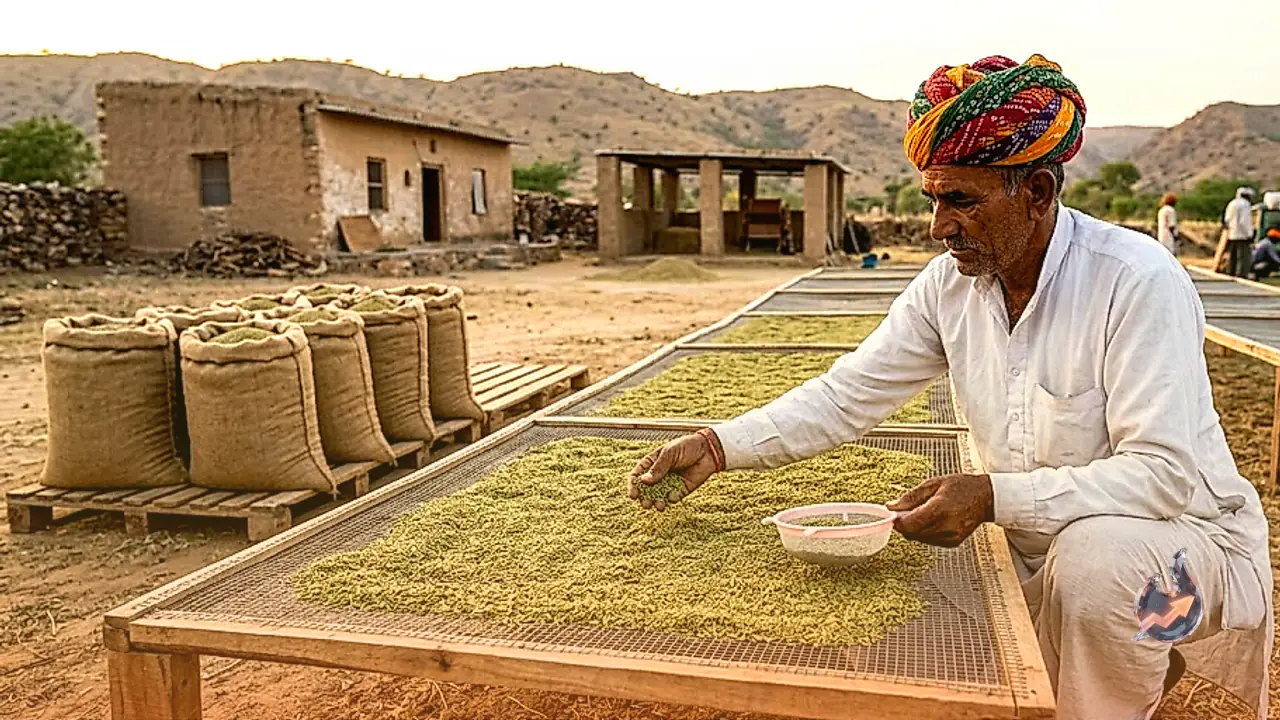
A new agricultural breakthrough allows farmers to grow potatoes directly inside paddy stubble, eliminating the need for burning and addressing severe regional pollution while saving water.

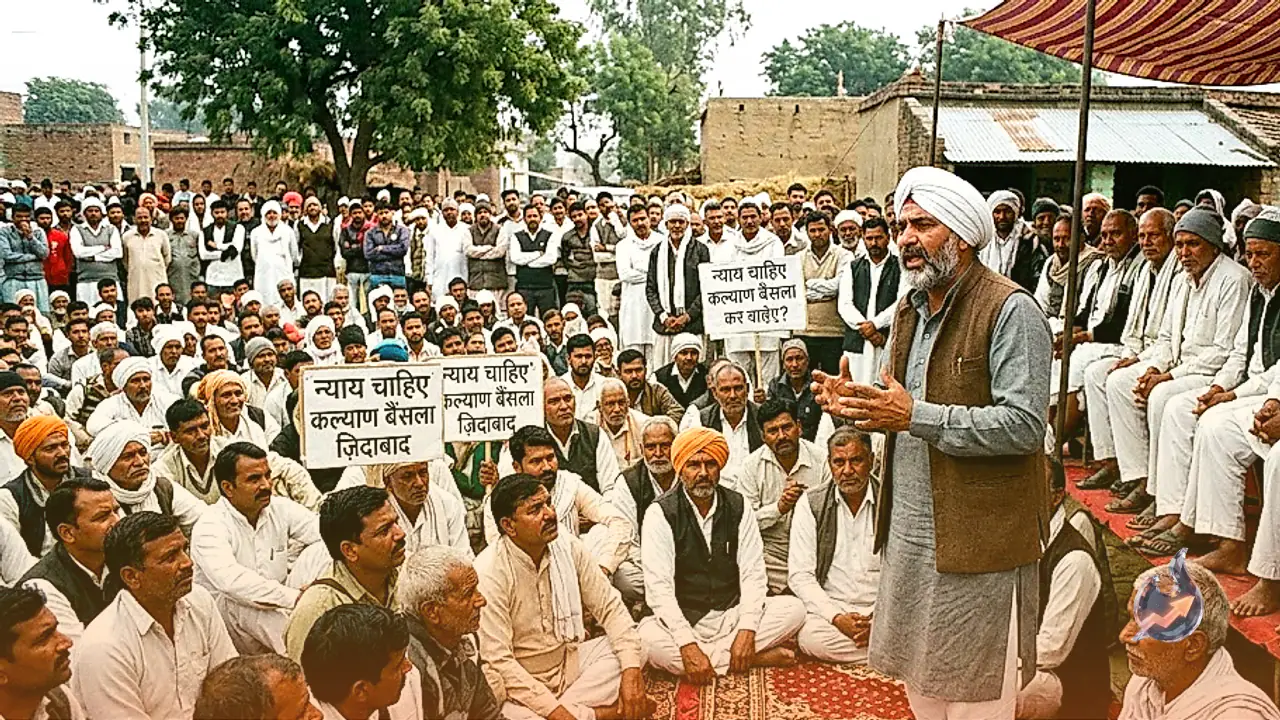
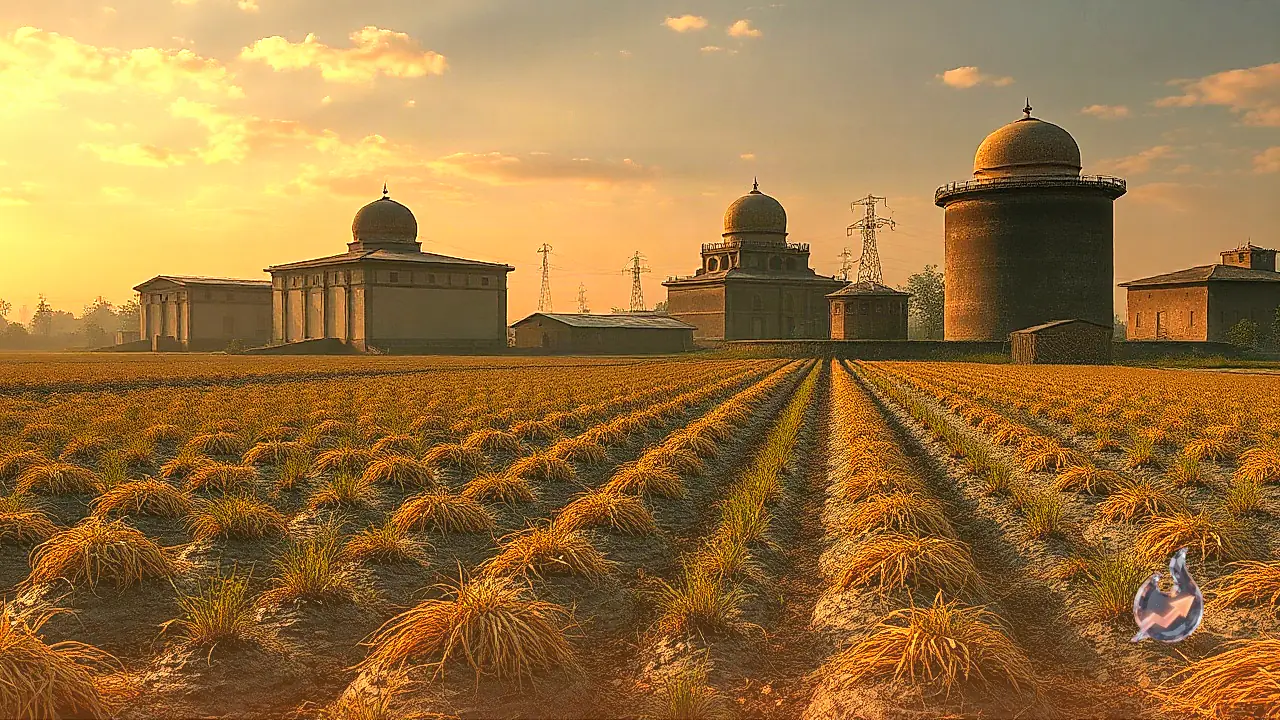
Every year, the burning of crop residue in Punjab triggers severe pollution levels across the Delhi National Capital Region. The resulting smoke creates a toxic blanket of smog over the entire area, making it extremely difficult for residents to breathe as the capital suffers under hazardous air conditions. However, a practical solution to this recurring crisis has now emerged from scientific research. This innovative discovery not only eliminates the persistent headache of stubble management but also allows potato crops to flourish directly within the leftover residue.

A Sustainable Method for Growing Potatoes in Stubble

This development brings welcome news for farmers in Punjab and Haryana, who can now cultivate potatoes within the harvested paddy fields instead of setting fire to the stubble. Growing potatoes directly inside the crop residue without soil contact cuts water consumption by up to 50 percent. At the same time, overall crop yields increase significantly by 25 to 50 percent, transforming agricultural waste into a productive asset.

Also read

Long Shelf Life Without Chemical Sprays

According to Dr. Sukanta Kumar Padhyi, an expert at the Central Institute for Women in Agriculture in Bhubaneswar, potatoes cultivated using this method remain fresh and unspoiled for four to six months without requiring any chemical sprays. Consequently, stubble will soon transition from an environmental burden into a profitable venture for growers in northern states, allowing them to harvest potatoes right after extracting rice grains from the paddy.

Research Background and Institutional Efforts

This innovative technique was developed by Dr. Sukanta Kumar Padhyi, who serves as a Principal Scientist and Head of the Division of Agricultural Technology for Women at the ICAR-Central Institute for Women in Agriculture in Bhubaneswar. She detailed the findings during a media exchange program organized by PIB Chandigarh in Bhubaneswar, noting that field trials conducted across various states have yielded highly encouraging outcomes. By adopting this approach, agriculturalists can simultaneously combat environmental pollution and enhance soil fertility.

Expanding Women's Participation in Agriculture

The Central Institute for Women in Agriculture in Bhubaneswar is the country's sole institution dedicated to enhancing women's involvement in farming activities. To further this mission, the institute operates 13 research centers across 12 states nationwide. This includes a dedicated center at the Punjab Agricultural University in Ludhiana, Punjab, where successful trials of growing potatoes in post-harvest paddy fields are actively underway.


Questions & Answers

Who developed the technique of growing potatoes in stubble?
The research was conducted by Dr. Sukanta Kumar Padhyi, a principal scientist at the ICAR-Central Institute for Women in Agriculture in Bhubaneswar.
How much water does this stubble-potato farming method save?
Using this technique reduces water consumption by up to 50 percent compared to conventional methods.
What is the impact on potato yield when grown in stubble?
The overall crop yield increases by 25 to 50 percent using this agricultural approach.
How long does stubble-grown potato stay fresh without chemical sprays?
Potatoes grown this way remain unspoiled for 4 to 6 months without requiring any chemical sprays.
Where are the testing centers for this agricultural research located?
Field work has been conducted across multiple states, including a dedicated center operating at the Punjab Agricultural University in Ludhiana.

Comments 4

Arjun Mehta@arjun-mehta·1d ago

Stubble burning and seasonal pollution are not merely environmental issues, but complex governance and public policy challenges involving inter-state coordination. While this scientific innovation by ICAR offers a promising sustainable solution, its ultimate impact will depend on government execution and ground-level implementation. To ensure widespread adoption among farmers in Punjab and Haryana, policymakers must provide adequate incentives, extension support, and infrastructure. If backed by strong political will, this approach can transform an annual environmental crisis into a sustainable model for rural economic growth.

Ravikash Gupta@ravikash·1d ago

Building on Arjun's point, from an economic and market perspective, this technique offers a major opportunity to lower cultivation costs and boost rural disposable income. A 4 to 6-month chemical-free shelf life makes the output highly attractive for the food processing and retail supply chains. However, for commercial scalability, establishing direct market linkages with agri-startups, cold storage networks, and processing companies will be critical. If farmers receive proper market pricing and logistical support, this innovation could reshape India's agri-tech landscape and rural economy.

Rohan Verma@rohan-verma·1d ago

This technological solution extends beyond improving Delhi-NCR's winter air quality; it can also serve as a practical model for farmers in western districts like Gautam Buddh Nagar and Bulandshahr, who face administrative crackdowns and legal penalties every harvest season. If state governments scale this model through grassroots agricultural fairs and local extension services, heavy administrative expenditures on stubble management can be successfully transformed into sustainable rural livelihoods.

Karan Malhotra@karan-malhotra·1d ago

This scientific innovation extends beyond agricultural science, directly intersecting with the domain of criminal justice and law enforcement. Every year, the relentless cycle of stubble burning triggers numerous police cases, penal actions, and prolonged legal disputes in courts against farmers. Providing a profitable alternative to burning will naturally ease tensions, reduce coercive enforcement measures, and allow administrative machinery to redirect its focus toward maintaining public safety rather than prosecuting environmental violations.

Citizen journalism

Become a TrendKia journalist

Voice of the people

Share news, photos and videos from your area with TrendKia and let your voice reach the nation. Every citizen a journalist.

Join now
CH 01 LIVE
TrendKia TV ON AIR
Chamar no WhatsApp