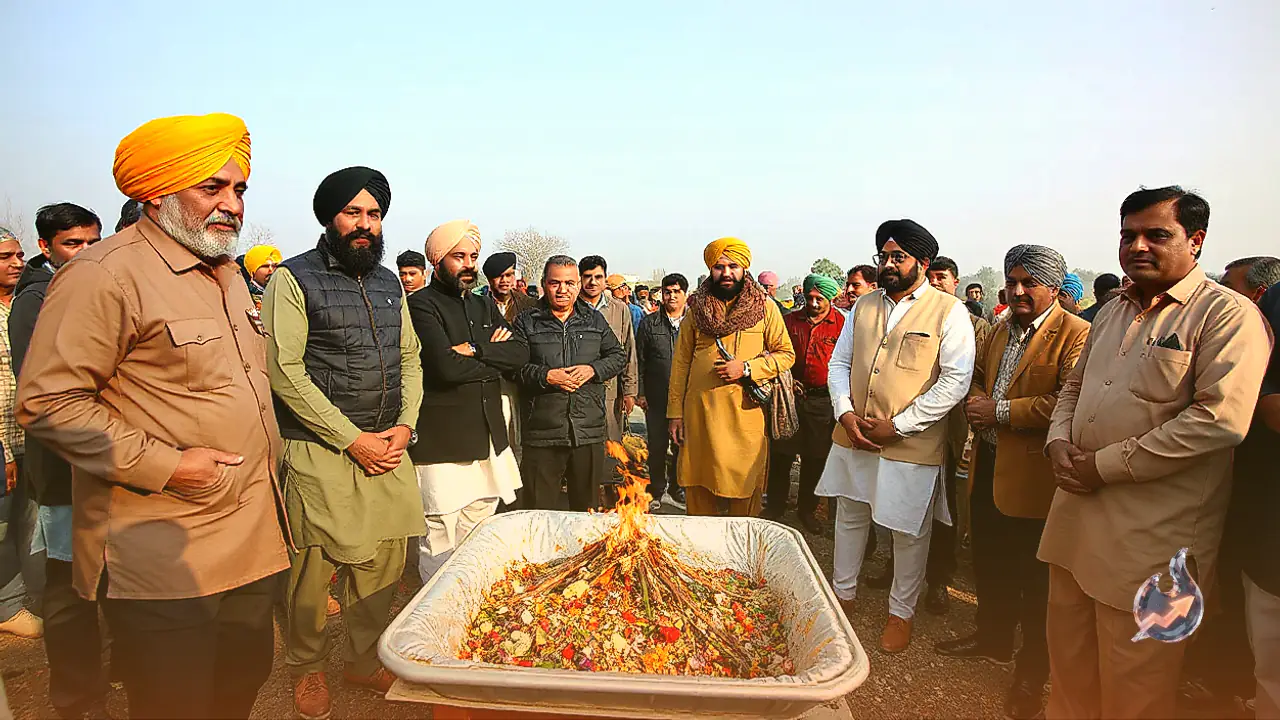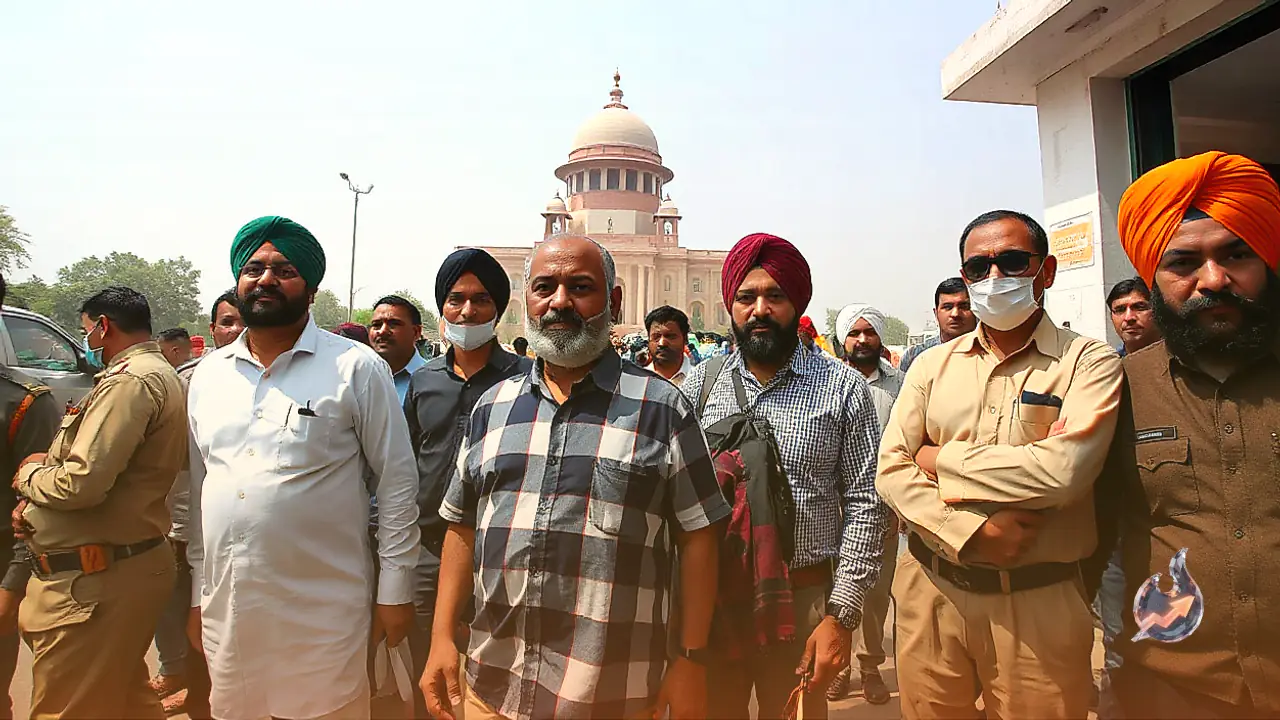

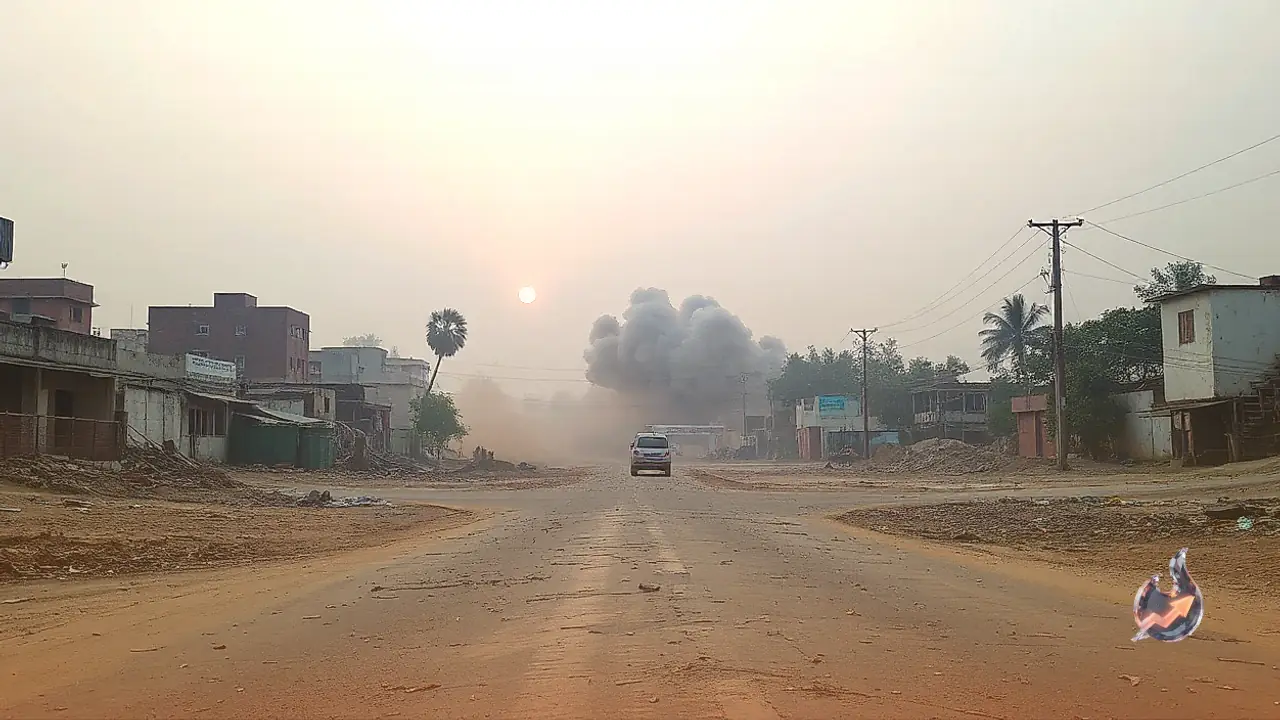


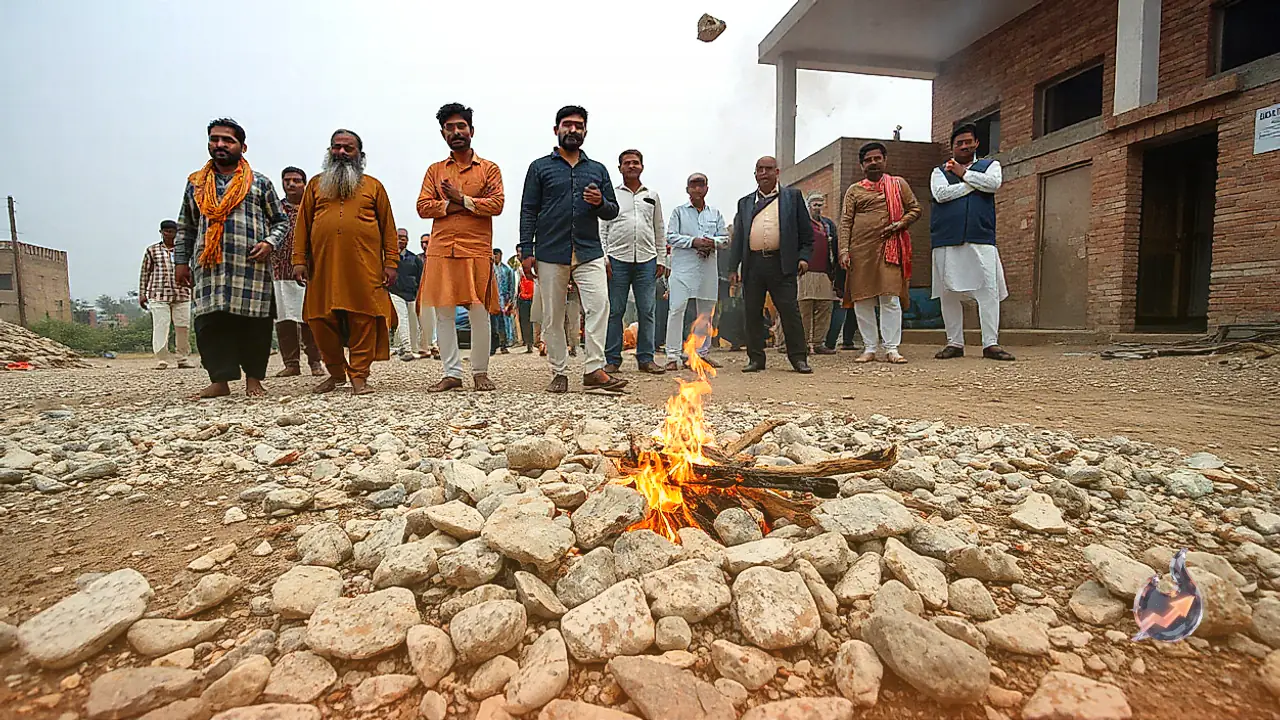














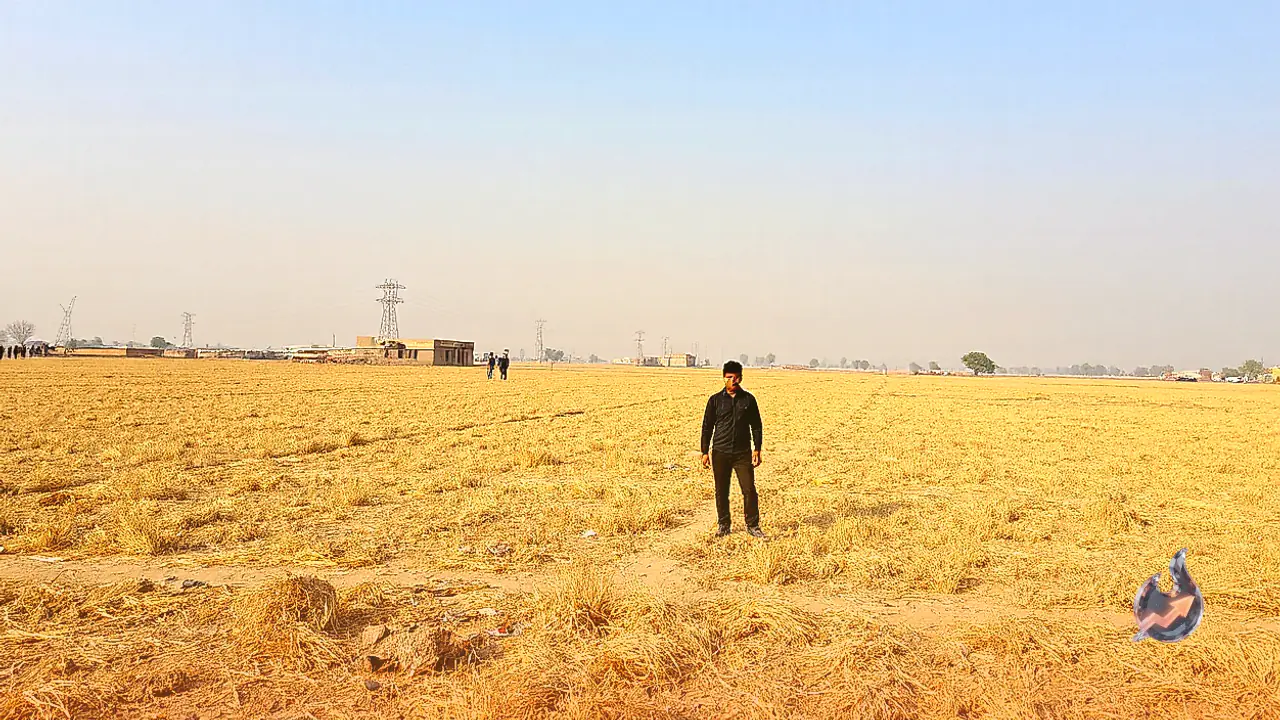

Incidents of stubble burning have started escalating rapidly across Punjab, intensifying concerns over rising air pollution levels throughout the state. Over the past few days, numerous cases of crop residue burning have been reported from various districts, posing a severe threat to local air quality. On November 5 alone, a total of 440 new stubble burning instances were recorded across Punjab. With this massive single-day addition, the cumulative tally of farm fires since the commencement of the current paddy harvesting season on September 15 has surged to 2787.
Major Districts Emerge as Pollution Hotspots
According to available details, three prominent districts in Punjab have emerged as the primary hotspots for these burning activities, accounting for more than half of the total recorded cases. Tarn Taran leads the list with 586 cases, followed by Ferozepur with 361 cases, and Amritsar with 221 cases. To curb these violations, local authorities have intensified enforcement measures against erring farmers. Environmental compensation amounting to approximately ₹4610000 has been imposed so far on violators, out of which ₹2485000 has already been successfully recovered by the administration.
Strict Legal Actions and Land Record Penalties
Beyond financial penalties, the administration has initiated stringent legal proceedings against those flouting the rules. Under rigorous legal provisions, authorities have registered 710 FIRs against violators under the Bharatiya Nyaya Sanhita. Furthermore, official revenue records of agricultural land have been marked with 829 red entries to penalize repeat offenders. For context, just a day prior on November 4, the state had registered 151 new instances of farm fires, highlighting the exponential daily spike in these numbers.
Why Farmers Continue to Burn Stubble
The core challenge lies in the extremely narrow window of just 10 to 25 days available to farmers between paddy harvesting and the subsequent sowing of wheat. Consequently, burning leftover stubble is widely perceived as the cheapest and quickest method to clear fields for the next crop cycle. Due to the high cost or unavailability of specialized machinery such as crop residue management equipment and balers, farmers are often left with limited viable alternatives. Mechanical harvesting leaves substantial stubble and straw in the fields, which is extremely difficult and labor-intensive to remove manually. Additionally, any delay in wheat sowing can severely impact the yield of the subsequent crop. Meanwhile, governmental authorities are continuously exploring alternative measures to discourage stubble burning while providing economic incentives to farmers.