





















Slipping during routine household chores or fracturing a bone after a minor stumble often signals a deeper underlying concern. Women frequently dismiss such minor injuries as ordinary accidents, yet repeated trauma can indicate progressive skeletal weakness. Paying close attention to bone health becomes critical after crossing 30 years of age. Once women reach 50 years of age, sharp hormonal transitions further elevate the risk of osteoporosis. Maintaining strong bones throughout these life stages depends heavily on timely nutrition, wholesome dietary choices, and disciplined daily habits.
Shifting Lifestyles and Nutritional Gaps
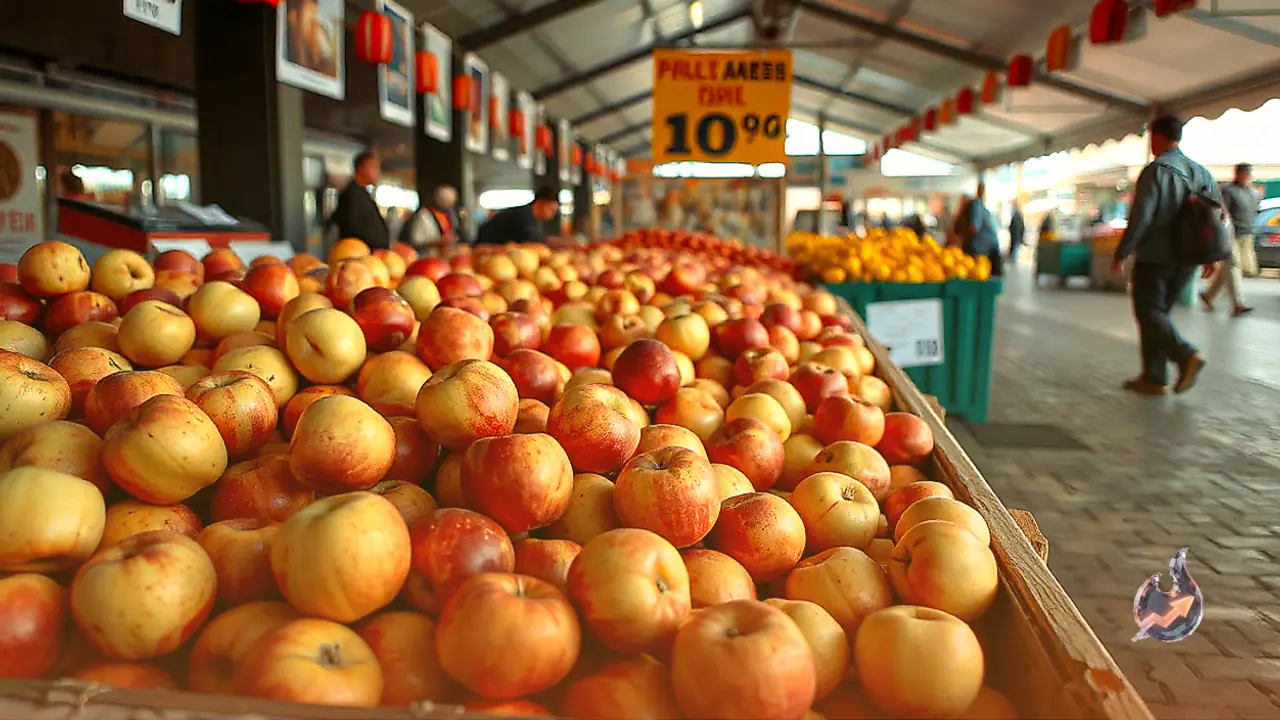
Contemporary lifestyle shifts and altered dietary patterns are taking a noticeable toll on women's health. The preference for processed or commercially prepared meals over nutrient-dense home-cooked food has steadily grown. Consequently, the intake of fresh green leafy vegetables, raw salads, uncooked veggies, and seasonal fruits has declined significantly, starving the body of the natural micronutrients essential for ongoing bone remodeling.
Harnessing Winter Vegetables for Bone Strength
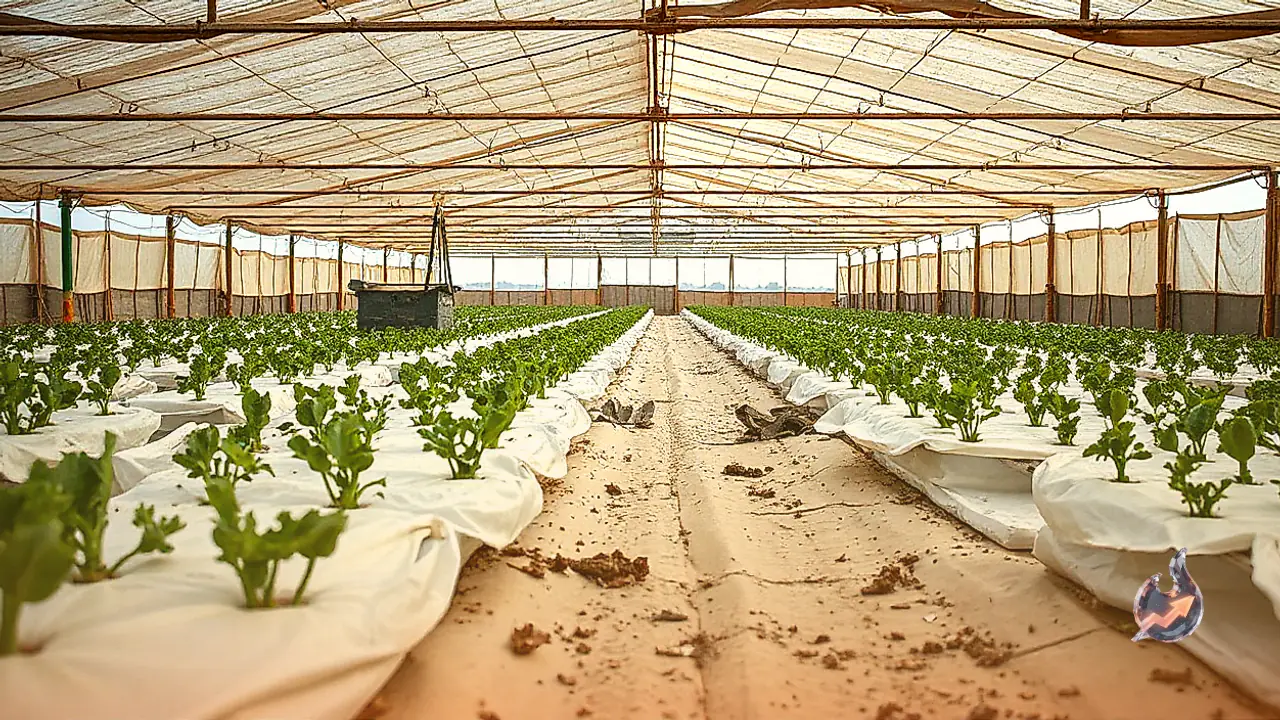
According to Dr. Rajita, a homeopathic doctor practicing at the Civil Hospital in Ambala City, overhauling one's dietary choices is the foremost step toward keeping bones healthy. The winter season offers an ideal window to consume fresh produce, as greens like spinach, fenugreek, radish, and carrots become widely available in local markets. Women should consistently integrate these varieties into their daily meals.
Bathua greens also offer outstanding nutritional value for bone care. Bathua can be prepared as a traditional cooked dish or blended into curd as a healthy raita. For individuals looking for versatile ways to consume greens, simmering spinach into a warm soup or kneading pureed spinach into flour to make flatbreads provides simple and practical methods to sustain vegetable intake throughout the week.
Peanuts as an Accessible Alternative to Costly Dry Fruits
Nuts and seeds serve as vital building blocks for bone preservation, yet escalating prices often prevent many families from purchasing premium dry fruits regularly. Peanuts serve as an economical, highly accessible alternative without compromising nutritional quality. Eating peanuts in controlled portions supplies the body with adequate protein, magnesium, and essential trace minerals. Alongside peanuts, including almonds, sesame seeds, pumpkin seeds, chia seeds, and flaxseeds can further diversify nutrient intake.
Balancing Calcium, Vitamin D, and Protein
Relying exclusively on green vegetables is not enough to construct a resilient skeletal matrix. Bones require a steady combination of calcium, vitamin D, protein, and magnesium. To fulfill these nutritional needs, individuals should consume milk, curd, paneer, lentils, kidney beans, and other nutrient-dense staples. For those who consume animal products, egg yolks and fish offer reliable sources of vitamin D, which is indispensable for enabling the body to absorb dietary calcium efficiently.
Screening Tests, Sunshine, and Daily Movement
Women need to remain vigilant regarding warning signs such as repeated falls, unexpected fractures from trivial knocks, or skeletal breaks occurring during routine daily activities. When these incidents happen, consulting a medical professional to undergo a Bone Mineral Density (BMD) test is essential to evaluate the exact extent of bone thinning.
Beyond food, maintaining regular physical exercise, taking daily brisk walks, and spending sufficient time outdoors in the sun provide lasting benefits for bone longevity. Sun exposure triggers natural vitamin D synthesis, supporting systemic calcium deposition. Initiating these dietary and lifestyle adjustments right at 30 years of age empowers women to prevent severe bone degradation and mitigate the threat of osteoporosis as they enter later decades.