






















As traditional winter sowing gets underway across agricultural belts, rural households are finding a viable avenue to build supplemental earnings without possessing vast acreage. Utilizing nothing more than a spare room inside a house or a modest makeshift shed, growers can roll out indoor mushroom cultivation. Driven by mounting consumer appetite for mushrooms as a nutritious alternative to cottage cheese, the horticulture administration in Ambala district is backing growers with substantial subsidies and operational training.
Seasonal Sheds Versus Year-Round Climate-Controlled Setups
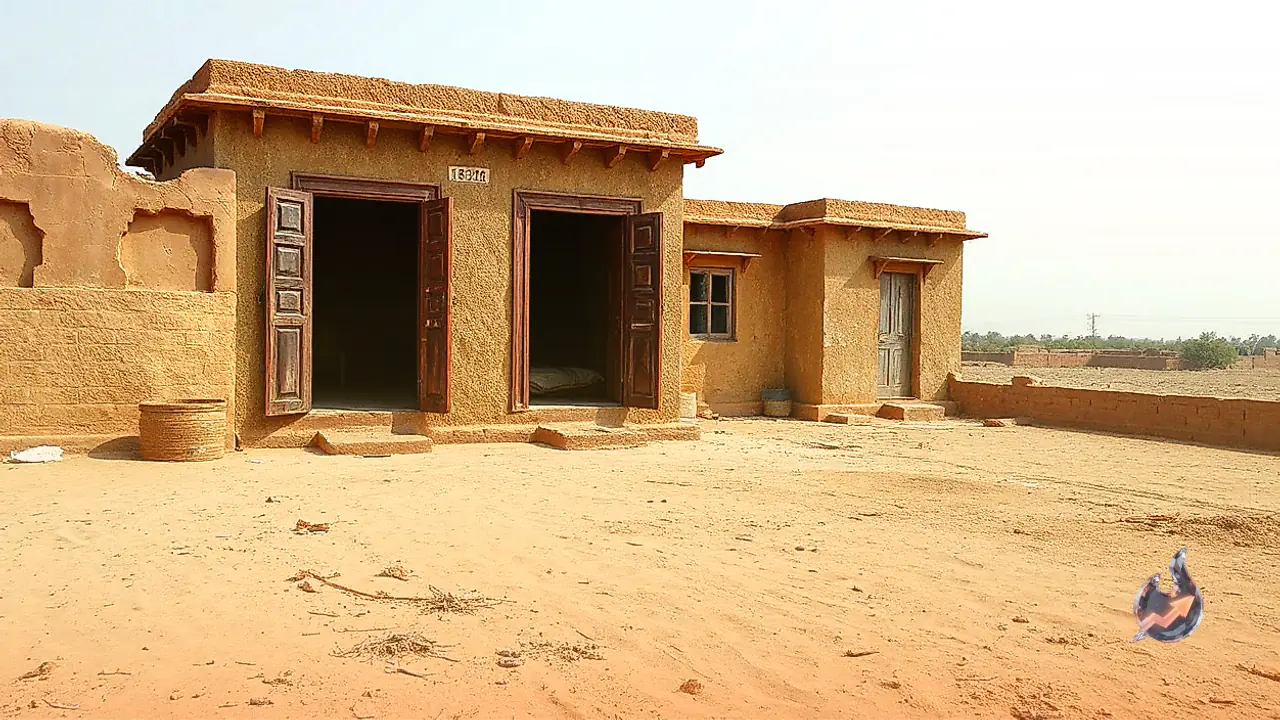
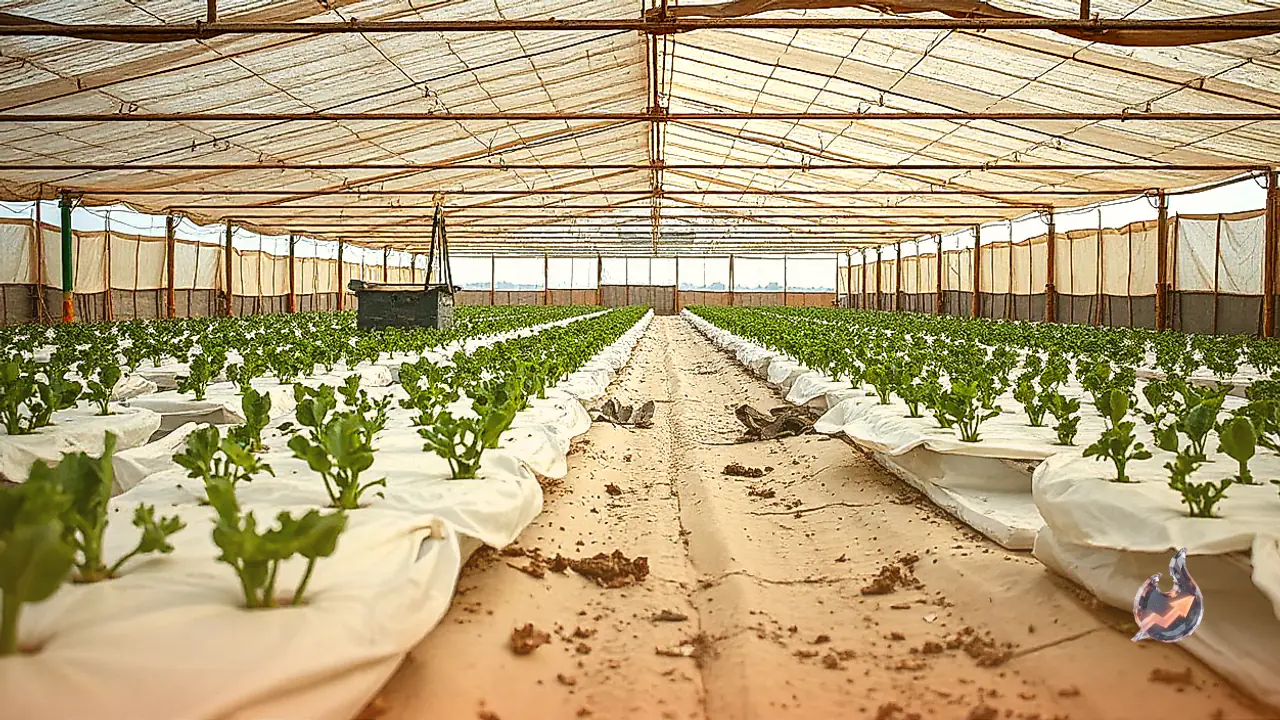
Growers can pick between two clear operational pathways depending on their investment capacity and personal schedule. The first route relies on natural seasonal temperatures, easily accommodated inside a 20-by-20-foot shed or bamboo hut. In a standard household room, a grower can arrange 100 to 150 growing bags to initiate harvesting. The alternative path involves installing an air-conditioned infrastructure that maintains controlled indoor climate, unlocking stable harvesting across all twelve months.
Ambala District Horticulture Officer Dr. Satyanarayan noted that "farmers can undertake mushroom farming through two methods." According to figures shared by him, putting together a baseline seasonal shed incurs an outlay of around 51 thousand rupees. Eligible applicants can receive subsidies touching 85 percent against this expenditure, whereas general category applicants are entitled to a 50 percent financial concession.
Targeted Support for Scheduled Castes and Commercial Facilities
A designated assistance model operates specifically for farmers from the Scheduled Caste category. Under this framework, 25,500 rupees are allocated toward erecting a bamboo hut structure, alongside an identical grant of 25,500 rupees for acquiring mushroom cultivation trays. Together, these two financial provisions deliver an aggregate benefit of up to 51 thousand rupees for each qualified participant.
For those intending to establish larger enterprise-scale facilities, capital support is structured across specialized operational units. Setting up a spawn laboratory to breed proprietary mushroom seed involves a projected cost of 15 lakh rupees, eligible for a 40 percent capital subsidy. Furthermore, distinct compost manufacturing units and intensive production facilities, each benchmarked at 20 lakh rupees, attract 40 percent subsidy backing. Agricultural entrepreneurs can establish any single component or combine all three to manage an uninterrupted harvesting chain.
Local Cluster Adoption and Mandatory Skill Certification
Pockets across Ambala are steadily taking up the venture, with growers in Saha and Solar actively producing their own compost batches to rein in overheads, while participation expands across the Barana area as well. Under the operational guidelines, approved subsidy sums are disbursed in two discrete tranches into the borrower bank loan account. Departmental planners anticipate that broader participation will generate micro-employment and local wage work across surrounding villages.
Securing the official grant requires completing a mandatory four to five day complimentary training schedule organized at Krishi Vigyan Kendra or affiliated technical institutes, followed by obtaining a completion certificate. Applicants must also possess a valid Family ID and complete mandatory registration on the horticulture department's official web portal. Interested candidates can submit electronic paperwork through the state horticultural site or consult the district horticulture bureau directly.