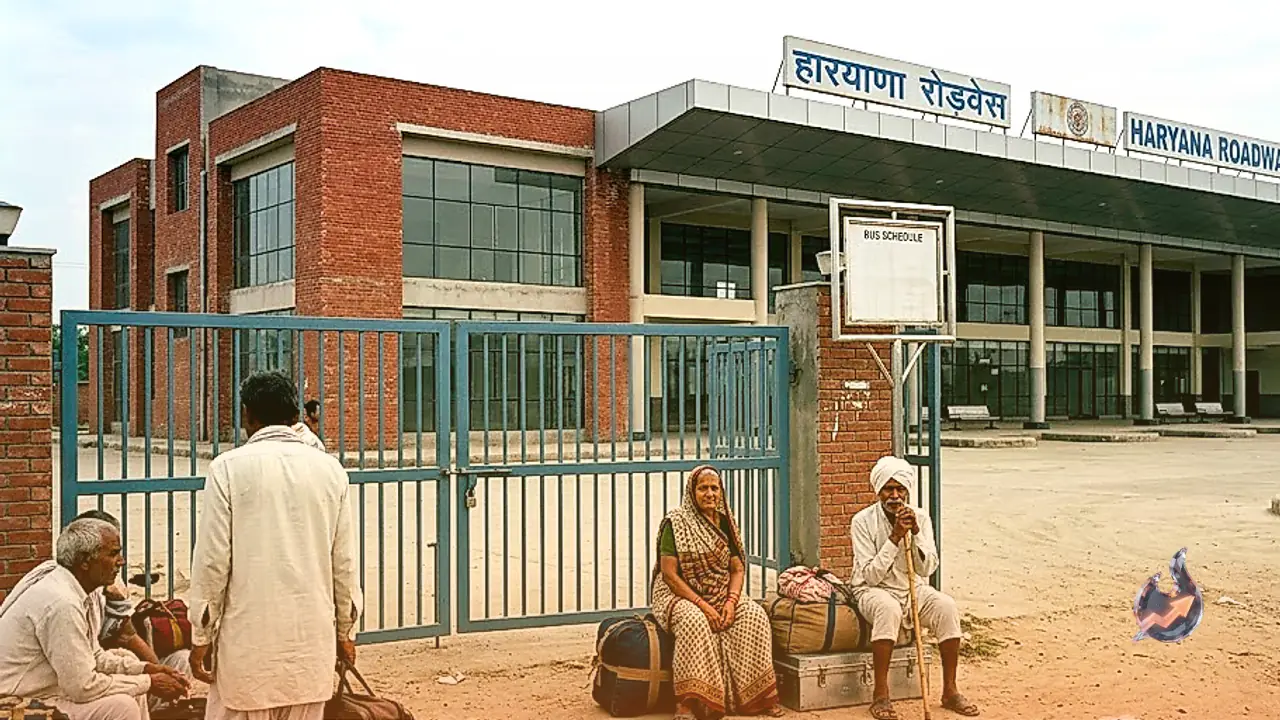





















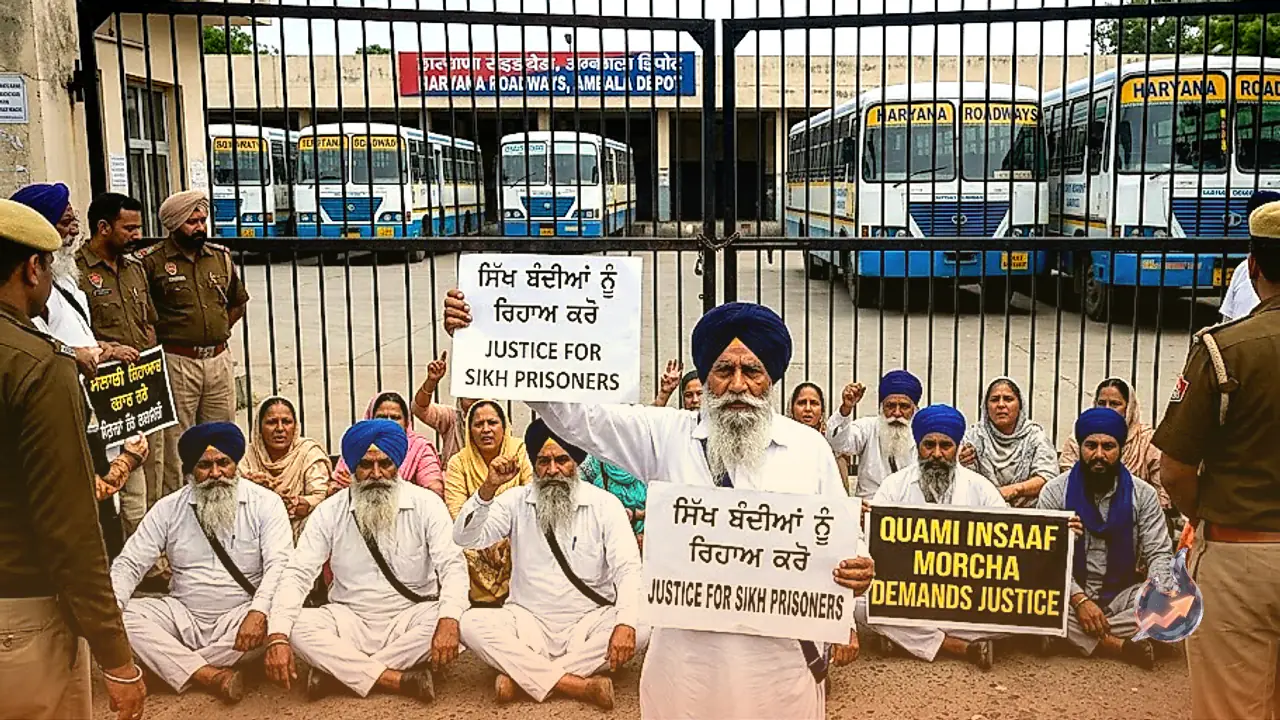

Interstate passenger transport between Haryana and Punjab came to a virtual standstill on Friday following a call for a statewide shutdown by the Quami Insaaf Morcha. The organization called for the protest to demand the release of Sikh prisoners, causing Haryana Roadways to halt operations heading toward Punjab. At the Ambala Cantt bus depot, hundreds of passengers found themselves stranded with no clear indication of when routine transport services would resume.
Stranded Commuters and Affected Destinations
Passengers traveling toward major destinations including Patiala, Ludhiana, Amritsar, Jalandhar, and Sri Ganganagar waited endlessly at the Ambala Cantt station. People who reached the departure booths early in the morning found zero public buses venturing across the border into Punjab. Expressing her plight, a woman traveler bound for Patiala mentioned that she had been waiting since early morning without finding any bus or transport option available to reach her location. Commuters traveling for personal or work commitments faced severe inconvenience throughout the day.
Depot Management and Preventive Measures
Clarifying the ground situation, Ambala Cantt Bus Stand Incharge Bahadur Singh stated that only about 1 to 2 percent of the scheduled buses could be operated toward Punjab due to the bandh. Under normal circumstances, the Ambala depot maintains round-the-clock bus service to Patiala, alongside continuous departures from dedicated booths for Amritsar and Katra routes. However, operations on these sectors were largely suspended for safety. Singh added that buses coming from Punjab were recalled back on Thursday night itself as a precautionary step to prevent any untoward incidents during the protest.
Station Announcements and Alternate Travel Options
To maintain order and keep travelers informed, station authorities conducted continuous public address announcements across the Ambala bus stand complex. According to depot management, a large section of commuters showed awareness of the protest schedule and proactively opted for train services or private vehicles instead of buses. This advance planning prevented extreme overcrowding at the bus terminal, although unscheduled travelers and those unaware of the shutdown remained stuck at the station throughout the day.