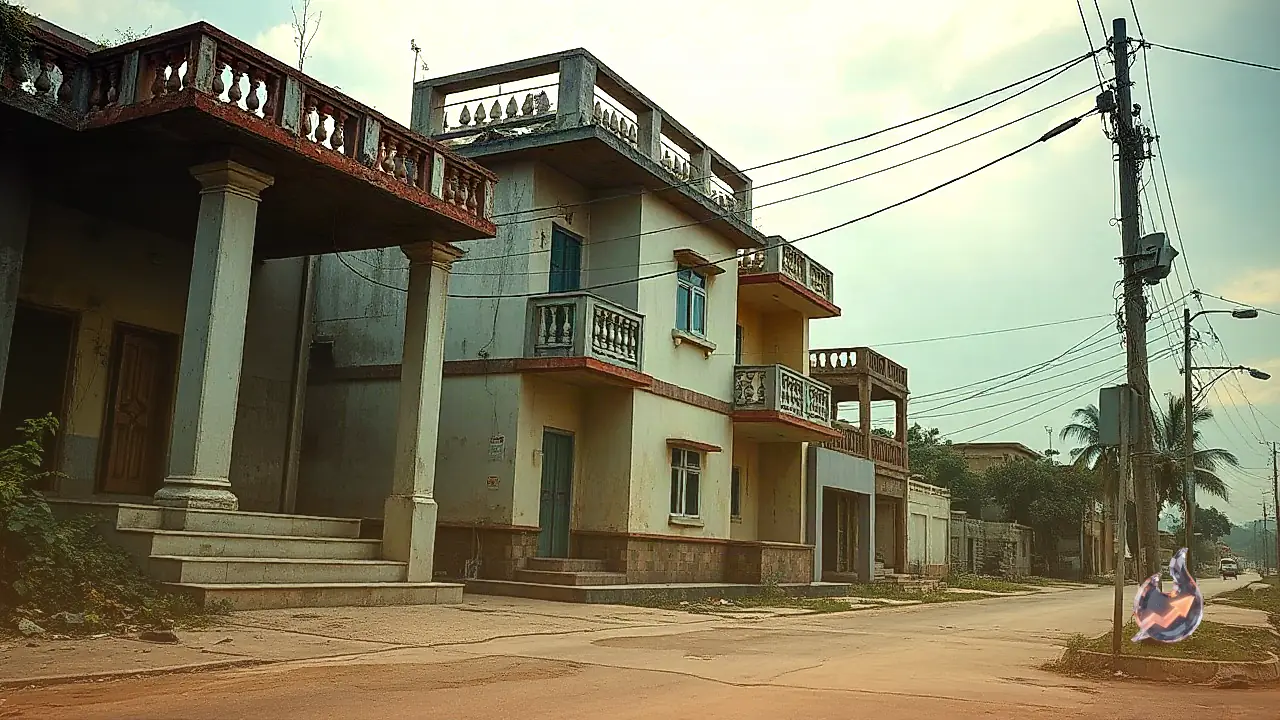






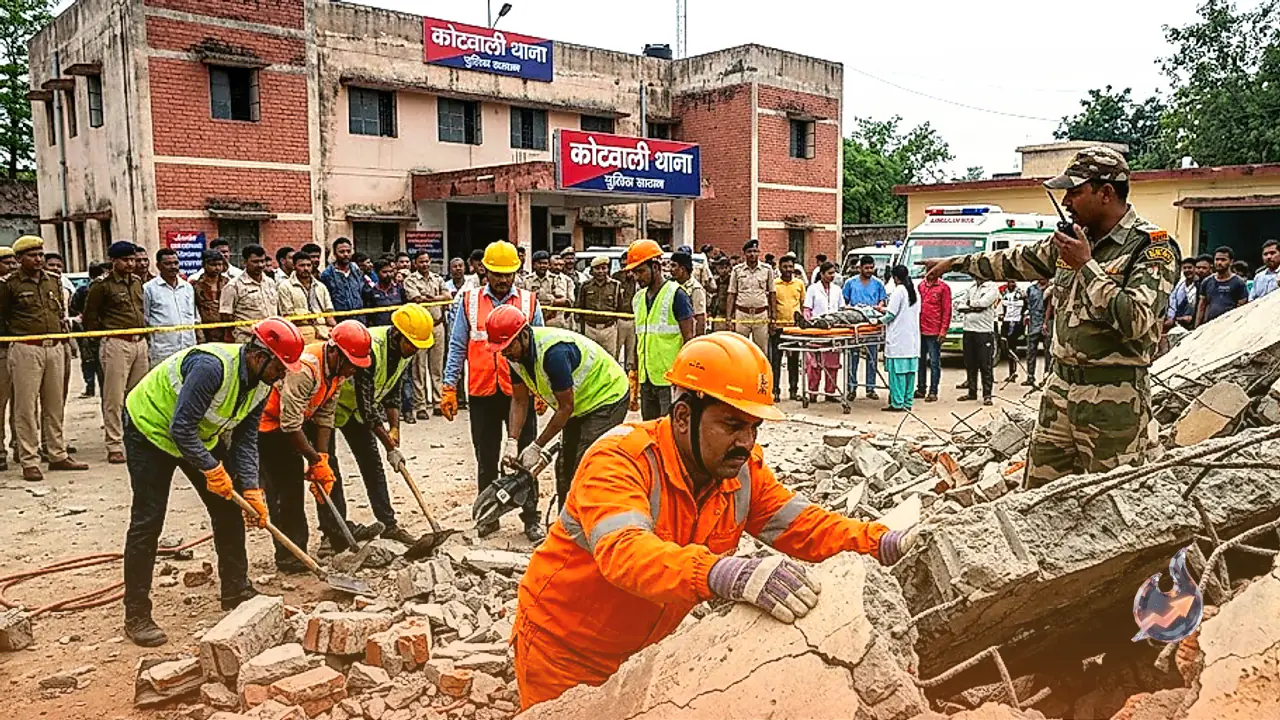














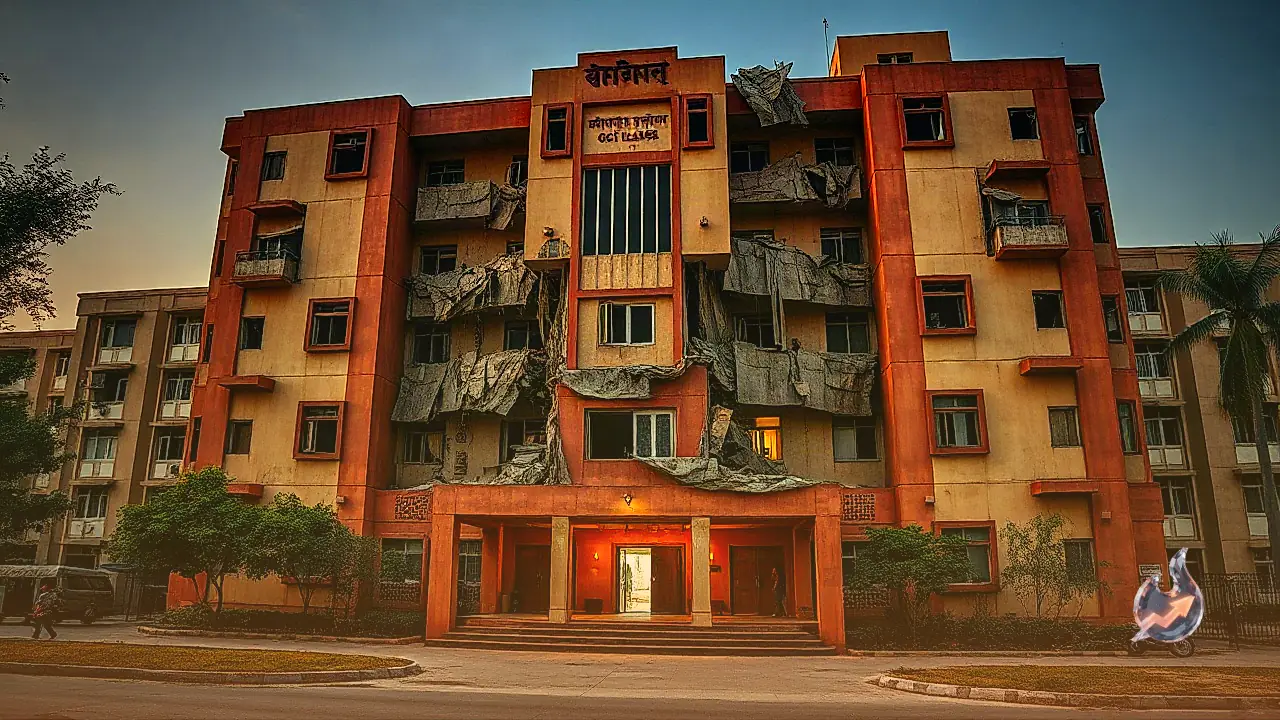

Following the tragic collapse of a paying guest accommodation building in Delhi's Satya Niketan that claimed student lives, serious infrastructure safety concerns have come to the fore at Pandit Jawaharlal Nehru College in Sector-16, Faridabad. The government institution, which caters to nearly 7,000 students, continues to hold regular academic classes inside a 50-year-old building that was officially condemned by the Public Works Department (PWD) back in 2016. The persistent reliance on a structurally compromised facility has caused growing anxiety among enrolled students and their families.
Hundreds of Students Stage Protest at Main Gate
Agitated by the lack of structural safety and prolonged administrative neglect, hundreds of students gathered at the college's main entrance on Monday. The protesting students raised strong slogans against Maharshi Dayanand University (MDU), the district administration, and the college management for failing to ensure a safe learning environment. As one of Faridabad's most prominent public colleges, the institution boasts a distinguished history, counting several prominent political figures, government ministers, and industry leaders among its alumni. However, current students face severe infrastructure deficits and daily hazards on campus.
Construction Delays and Budget Shortfalls Stall New Block
To address the deterioration of the original facility, the PWD initiated construction on a modern six-storey academic building in 2019. However, the project suffered major setbacks during the COVID-19 pandemic, followed by acute budgetary constraints that severely slowed execution. Although financial allocations were revised upwards on two separate occasions, cumulative delays led the primary construction contractor to pull out of the project. This abrupt termination left the construction incomplete, stranding the campus transition plan in bureaucratic limbo.
Daily Hardships: Broken Windows, Unclean Toilets, and Water Shortages
Students attending classes in the dilapidated structure report experiencing severe logistical challenges every day. Rahul, a first-year undergraduate student, shared details regarding the poor state of facilities, noting that drinking water availability inside the old building is highly erratic. Students are frequently forced to purchase packaged bottled water from outside vendors. He added that sanitation facilities in the washrooms are alarming, with foul odors and poor hygiene creating potential health hazards. Broken window panes remain unrepaired in several classrooms while ready portions of the new building lie unused.
Exposed Rebar, Peeling Plaster, and Lack of Electricity Backup
Ravi, a first-year Bachelor of Arts student, offered further insights into classroom conditions. He mentioned that while his specific room is currently functional for lectures, the exterior structure shows visible signs of decay. Wall plaster has flaked off across multiple sections, leaving rusted iron rebars completely exposed. Ravi highlighted that during summer months, frequent power outages occur without any generator backup, causing ceiling fans to stop and making classrooms unbearably hot. Sanitation issues in the toilets also persist, raising fears of contagious infections among students.
Relocation Timeline and Official Administration Response
Expressing cautious optimism, Sahil Maurya, a first-year B.Com student, noted that while his assigned classroom is structurally stable, the overall building requires immediate replacement. He hopes that classes will successfully transition to the new facility located behind the existing complex within six months. Responding to the concerns, college representative Shaileshwar Kaushik stated over the phone that approximately 90 percent of the construction work on the new building is complete. He assured that as soon as the remaining tasks are finished, students will be relocated to the new campus, emphasizing that current instruction takes place strictly within verified safe rooms.