























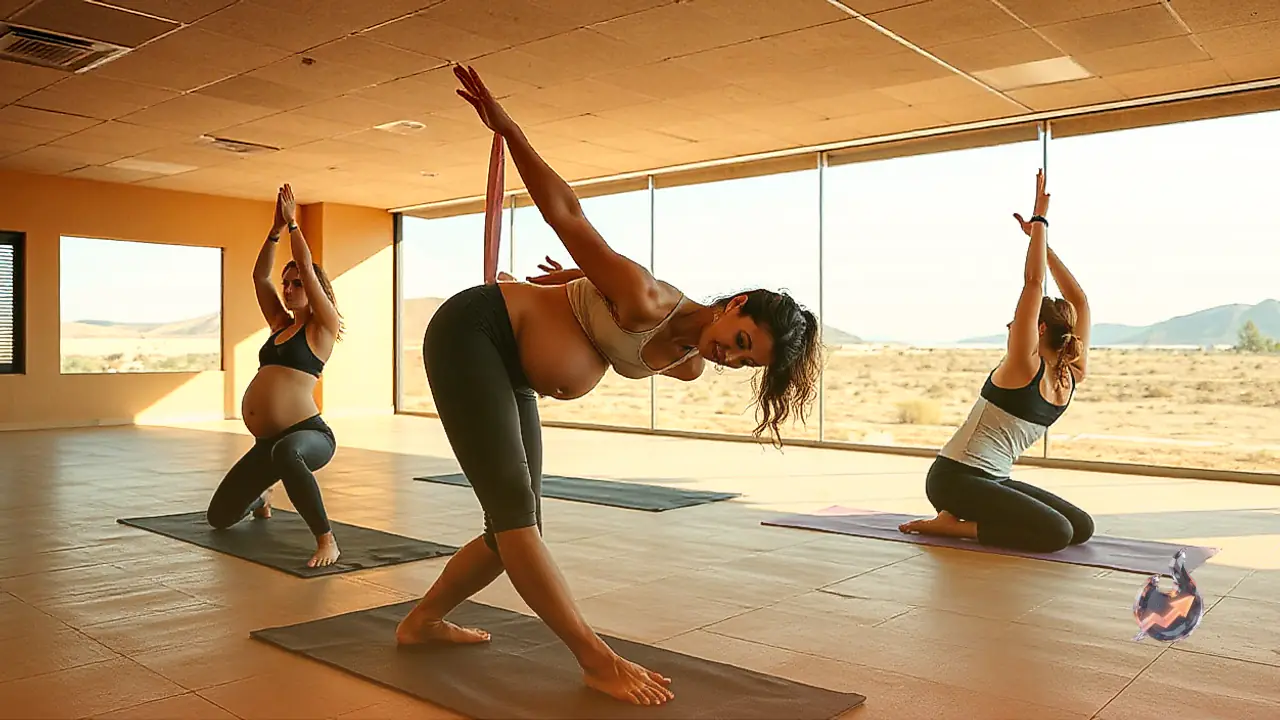

Pregnancy represents one of the most transformative and sensitive chapters in a woman's life. Throughout this journey, the expectant mother must balance her own evolving physical well-being with the growth and nutritional requirements of the developing baby. Maintaining balanced nutrition, getting plenty of restorative sleep, and engaging in mild, consistent physical movement serve as vital pillars for staying healthy. To keep their bodies agile and progressively prepare their muscles for labor and childbirth, many women turn to gentle prenatal yoga routines.
Balancing Muscular Flexibility and Inner Calm
Engaging in simple yoga routines under proper medical advice keeps the body's major muscle groups active without placing excessive strain on joints. These regular sessions help preserve tissue elasticity, improve overall joint mobility, and provide relief from the emotional stress and anxiety that often accompany pregnancy. However, because every pregnancy carries distinct physiological needs, consulting a healthcare professional before beginning any routine is essential. The following five yoga postures and breathing exercises can be incorporated into a prenatal routine with expert supervision.
Baddha Konasana or Butterfly Pose
Commonly referred to as the butterfly pose, Baddha Konasana is widely practiced to enhance mobility in the lower body. To practice this posture, sit comfortably on an exercise mat on the floor and bring the soles of both feet together directly in front of you. Gently let the knees drop toward the floor on either side. It is critical to avoid forcefully pulling the feet inward or jerking the legs. This position creates a soft stretch through the inner thighs, groin, and hip areas, helping preserve overall flexibility in the pelvic area ahead of labor.
Cat-Cow Stretch for Relieving Back Stiffness
As pregnancy advances, many women experience recurring tightness, stiffness, and discomfort across the lower back and spinal column. Marjaryasana-Bitilasana, widely known as the cat-cow stretch, offers gentle and rhythmic spinal movement. To set up the pose, place both hands and knees securely on the floor in a tabletop position. Inhale steadily while softly lowering the spine toward the mat, and exhale slowly while rounding the back upward in a gentle arch. Repeating this continuous cycle in a relaxed cadence promotes spinal flexibility and relieves accumulated back tension without straining the abdominal area.
Tadasana for Improved Posture and Balance
Tadasana, or the mountain pose, is designed to support spinal alignment, stability, and upright posture. Begin by standing upright with feet set slightly apart to provide a stable base of support. Slowly raise both arms overhead, lengthening the spine and maintaining an aligned posture. Hold this position for a few steady breaths while inhaling and exhaling smoothly. Because shifting weight during pregnancy constantly alters physical balance and center of gravity, practicing this pose near a sturdy wall or supportive structure prevents loss of stability.
Vajrasana and Key Precautions
Vajrasana involves kneeling down, bending the knees backward, and sitting upright directly over the heels while keeping the hands resting on the knees. While typically practiced to support digestion, the expanding abdomen and added pelvic weight during pregnancy can make this seated position physically uncomfortable for many women. For this reason, it should only be attempted when explicitly cleared by a doctor. Expectant mothers can place a soft cushion or folded blanket beneath the ankles or hips for added support. If any pressure builds in the knees or abdomen, the pose should be discontinued immediately.
Bhramari Pranayama for Mental Calming
Alongside rapid physical adjustments, pregnancy often brings heightened emotional stress, restlessness, and sleep disturbances. Bhramari pranayama serves as a reliable tool to soothe the nervous system and calm an overactive mind. To perform it, sit in a relaxed position and gently close the eyes. Inhale deeply through the nose, and as you exhale slowly, create a soft, continuous humming sound reminiscent of a bee. Repeat the cycle several times according to personal comfort. There is no need to hold the breath or apply physical pressure during this breathing practice.