























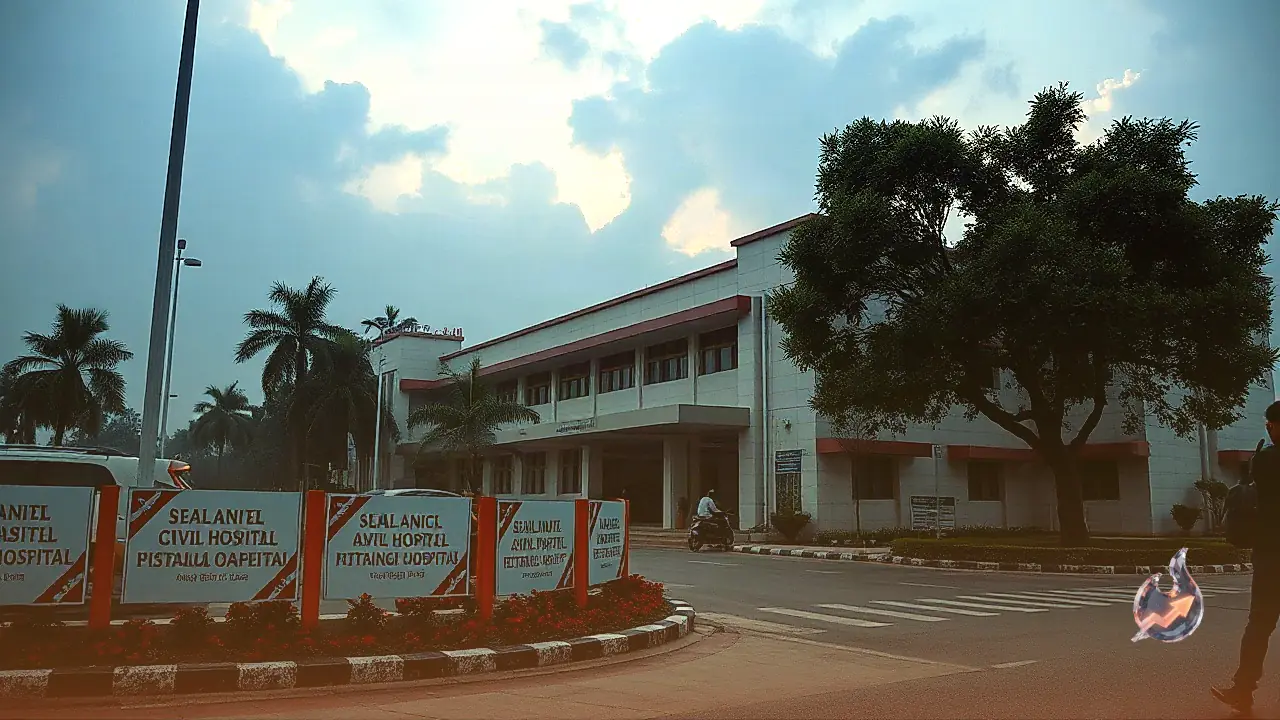

With seasonal weather changes triggering a surge in respiratory and viral infections, Ambala Cantt Civil Hospital has finalized comprehensive medical and operational arrangements in alignment with government health directives to combat potential swine flu cases. Hospital authorities have streamlined screening protocols, staff deployment, and treatment frameworks. Detailed guidelines have been issued to attending physicians and nursing staff regarding early symptom identification, sample collection, diagnostic testing, and emergency isolation procedures.
Dedicated Isolation Ward Set Up on Second Floor
To restrict the potential spread of infection within the medical facility, a dedicated swine flu isolation ward has been commissioned on the second floor of the hospital's IPD block. Patients reporting with symptoms indicative of swine flu will undergo rigorous clinical evaluation by medical specialists. If designated as suspected cases, patients will be promptly moved from general wards to this isolated environment for continuous monitoring and specialized care, ensuring that infection risks for other admitted patients and healthcare personnel remain minimal.
Heightened Vigilance Across Daily OPD Flow of 1,500 to 1,800 Patients
The civil hospital caters to a heavy outpatient load, receiving between 1,500 and 1,800 OPD patients daily. Given this high footfall, early detection of influenza-like illness is critical. Hospital administration has directed all OPD physicians to exercise strict vigilance when evaluating individuals presenting with persistent cough, cold, elevated body temperature, or sore throat. Medical staff have been instructed to order immediate laboratory testing whenever a case demonstrates severe or atypical flu symptoms.
Round-the-Clock Doctor Coverage and Equipped DIPHL Lab
Dr. Vinay confirmed that the facility is fully conforming to government and health department mandates. Essential pharmaceutical supplies and supportive care medications have been adequately stocked. Furthermore, the DIPHL laboratory within the hospital is fully prepared for diagnostic processing, equipped with necessary testing kits. Suspected patient samples will be processed without delay, allowing clinicians to confirm diagnoses swiftly and initiate targeted medical interventions.
To maintain unbroken healthcare delivery, the administration has instituted a 24/7 rotational duty schedule for physicians and general medical officers. This round-the-clock arrangement guarantees that any patient presenting with flu symptoms, whether during regular daytime hours or late at night, receives immediate specialist care and diagnostic evaluation.
Recognizing Swine Flu Symptoms and Medical Guidance
Dr. Vinay advised members of the public to remain calm and avoid panicking upon noticing flu-like signs. However, he strongly discouraged self-medication or purchasing over-the-counter drugs when suffering from prolonged high fever, severe cough, or throat irritation. Timely medical consultation and professional diagnosis remain the most effective strategy for controlling the disease and preventing complications.
Clinical indicators of swine flu typically include high fever accompanied by sudden chills, dry cough or cough with phlegm, throat discomfort, persistent headache, severe muscle soreness, and marked fatigue. Patients may also experience continuous sneezing, nasal congestion, shortness of breath, and occasionally gastrointestinal symptoms such as nausea, vomiting, or diarrhea.
Key Preventive Measures to Limit Transmission
Health authorities recommend adopting standard hygiene practices to reduce the risk of viral contagion. Individuals should wash their hands thoroughly with soap and water for at least 20 seconds, or utilize an alcohol-based hand sanitizer when soap is unavailable. Respiratory hygiene is equally vital; individuals must cover their mouth and nose with a tissue or clean handkerchief while coughing or sneezing. Unwashed hands should be kept away from the eyes, nose, and mouth. Wearing protective face masks in crowded public settings provides an additional barrier against airborne transmission.
Free Testing Infrastructure Brings Relief to Patients
The availability of full diagnostic and treatment infrastructure at the government facility offers financial relief to local residents. Patients showing flu symptoms do not need to rely on expensive private diagnostics or private hospitals. Following initial clinical evaluation by government doctors, required testing will be conducted free of charge at the hospital's equipped laboratory, mitigating out-of-pocket medical expenses while ensuring prompt therapeutic intervention.