




















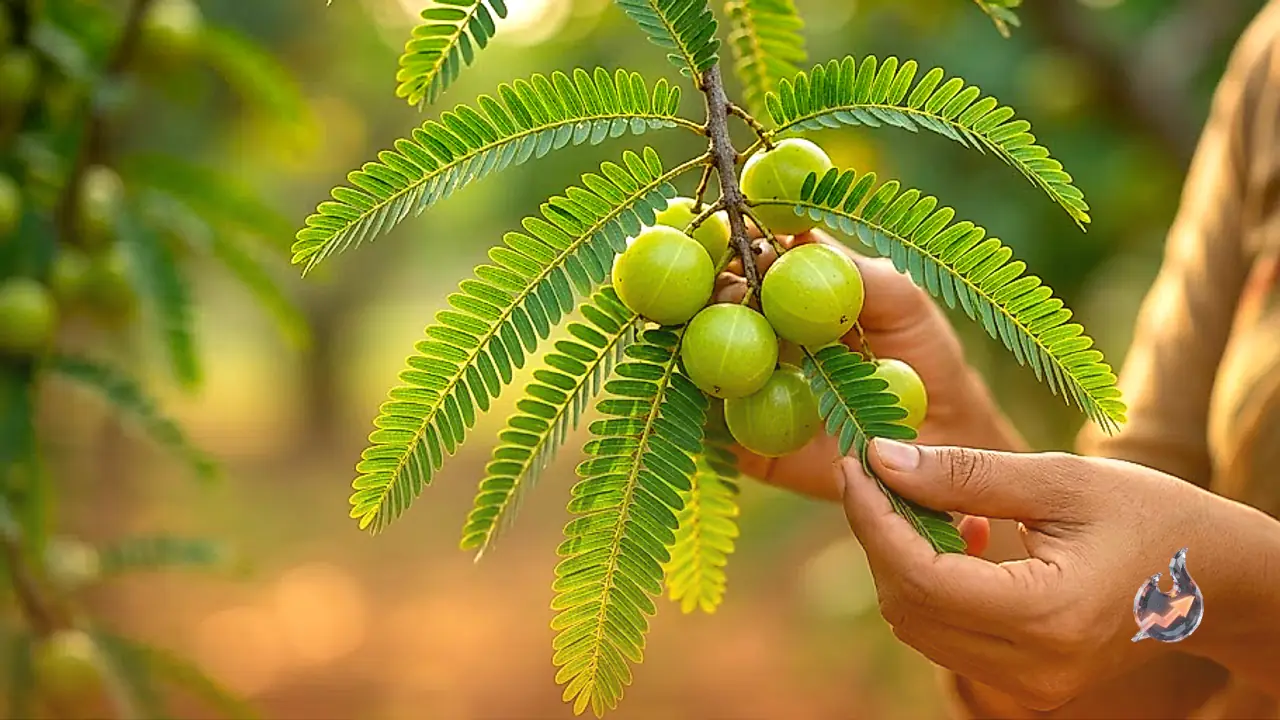

Amla is best known for its fruit, but Ayurveda holds its leaves in almost equal regard. Most people eat amla as a fruit, in murabba, or as a powder, but for centuries Ayurvedic practice has also used its leaves to deal with a range of health issues. Experts are clear that anyone considering amla leaves for a medical condition should first consult an Ayurvedic doctor, since every person's body constitution is different.
Malti Devi, an Ayurvedic vaidya from Gonda, says amla leaves contain vitamin C, antioxidants, flavonoids, tannins and several other natural compounds. These components are believed to help strengthen the body's immunity. Alongside that, the leaves are also considered useful in protecting the body from infections and easing several minor health problems.
Helps Boost Immunity As The Weather Changes
Cold, cough and viral infections become common whenever the season changes. According to Malti Devi, a decoction made from amla leaves, or an extract prepared using Ayurvedic methods, can help strengthen the body's immune response during such periods. However, the quantity and method of consumption should always be decided on an expert's advice rather than guesswork, since taking the wrong dose can do more harm than good.
May Bring Relief From Mouth Ulcers
Amla leaves are also used for mouth ulcers. Ayurveda recommends rinsing the mouth with a decoction prepared from these leaves. This not only keeps the mouth clean but can also ease the discomfort of ulcers. If the problem persists for a long time, relying only on home remedies is not advised, a doctor should be consulted instead.
Good For Hair Health As Well
Amla is already considered highly beneficial for hair, and its leaves are no exception. Malti Devi explains that applying a paste or decoction made from amla leaves to the hair keeps the scalp clean. This can help reduce dandruff and strengthen hair roots. That is also why many Ayurvedic hair oils and hair packs include amla leaves as an ingredient.
Keeps The Skin Healthy Too
The antioxidants present in amla leaves are also considered beneficial for the skin. Applying a paste made from the leaves can help cleanse the skin. In Ayurveda, it is also used for spots, blemishes and certain common skin issues. However, if any kind of allergic reaction appears after use, it should be stopped immediately.
Used For Diabetes Patients Too, But With Caution
Ayurveda also mentions amla leaves in the context of diabetes management. Some Ayurvedic treatments use these leaves in limited quantities. Malti Devi, however, offers a clear warning here, diabetes patients should not stop their regular medication and rely solely on home remedies. Any form of consumption should only be taken up after a doctor's advice, otherwise there is a risk of blood sugar levels going out of control.
Considered Helpful In Healing Wounds
Amla leaves are also seen in Ayurveda as an aid in wound healing. A paste made from the leaves is applied to minor injuries or common skin-related problems. The natural compounds present in them can help keep the skin healthy.
How Amla Leaves Are Used
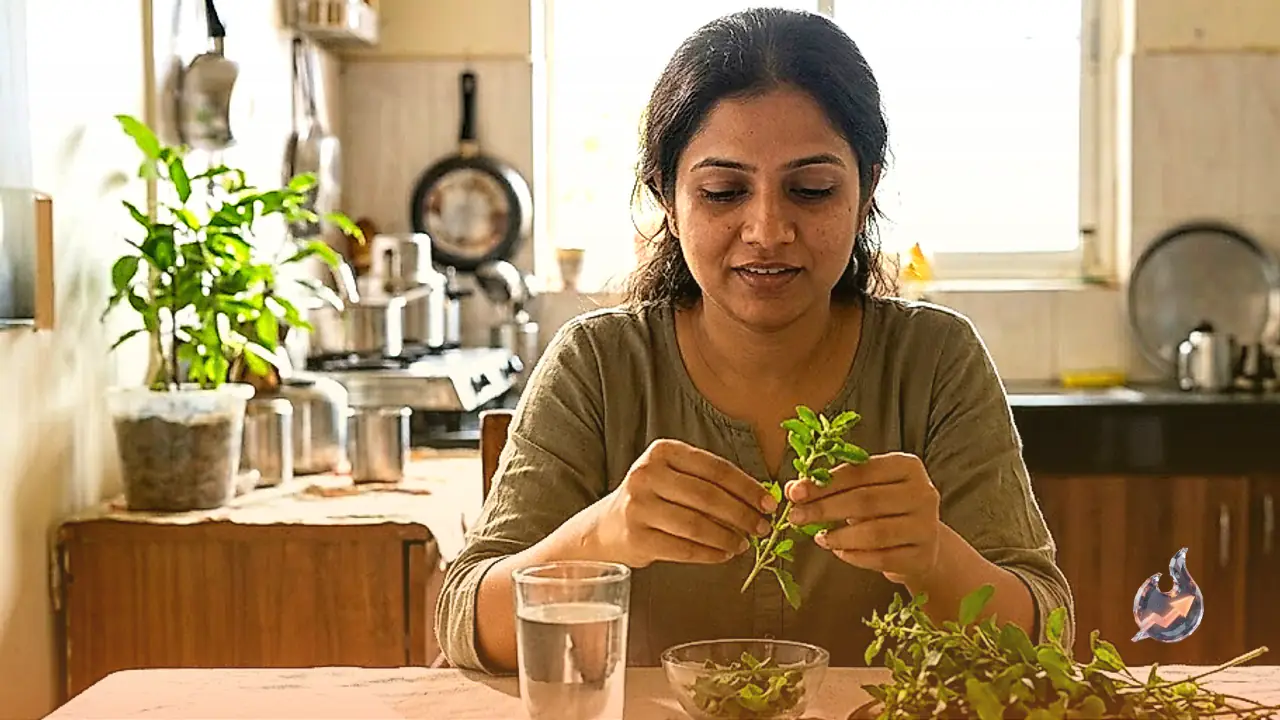
Malti Devi explains that Ayurveda uses amla leaves in several different ways, preparing a decoction from them, extracting their juice, making a paste, or drying them into a powder. But since every individual's body constitution is different, these should not be used without an expert's advice.
Precautions To Keep In Mind
Malti Devi points out that even natural remedies can cause harm if taken in the wrong quantity. Pregnant women, young children, people suffering from serious illnesses, or patients already on medication should not consume amla leaves without consulting their doctor or an Ayurvedic expert. If any allergy, stomach pain or other discomfort is felt after consumption, its use should be stopped immediately and a doctor should be contacted.