























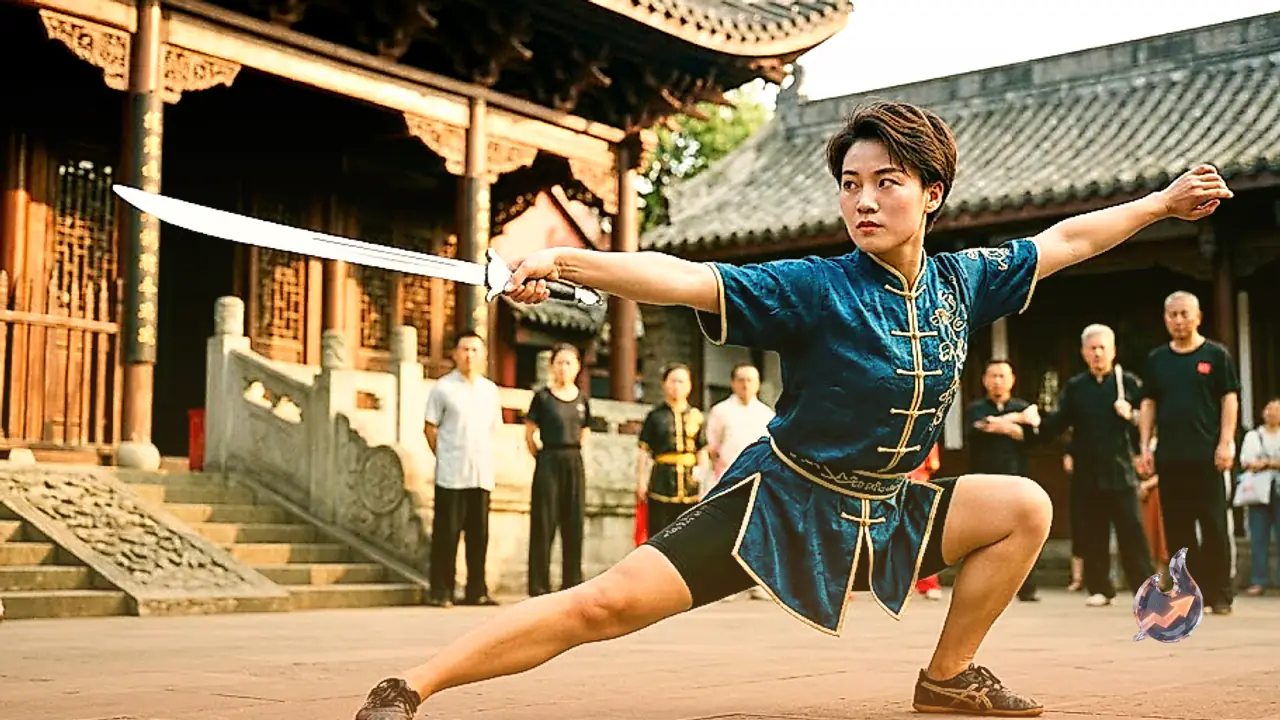

While modern fitness seekers frequently turn to gym workouts, yoga, or basic aerobics to stay active, traditional martial disciplines offer an integrated way to build strength, flexibility, balance, and agility simultaneously. Wushu, an ancient Chinese martial art practiced across thousands of years, has evolved globally into both an organized competitive sport and a holistic conditioning practice. According to the International Wushu Federation, the discipline is also widely identified as Kung Fu, drawing its historical lineage from the varied martial traditions developed across China.
Beyond Combat: A Structured Physical System
Rather than functioning solely as a method for self defense or combat, Wushu encompasses a diverse spectrum of bodily postures, dynamic kicks, controlled punches, and rapid footwork. In contemporary sports, Wushu is organized into two primary disciplines known as Taolu and Sanda. In Taolu competitions, practitioners perform choreographed patterns of offensive and defensive movements utilizing specific forms and weapons. Conversely, Sanda represents a full contact combat platform where athletes employ practical striking, kicking, and wrestling skills in dynamic bouts.
Historically, the earliest forms of Wushu took shape in China out of direct necessity for survival and personal defense in harsh environments. Across generations, the art expanded beyond its combat origins to prioritize lifelong health, personal discipline, and rigorous physical conditioning.
Enhancing Whole Body Flexibility
A fundamental component of Wushu training involves deep stretching routines, high kicks, rotational movements, and demanding stances that target the entire musculoskeletal frame. This continuous demand keeps the joints supple and expands functional range of motion. A targeted study focusing on adolescent practitioners revealed that individuals engaged in Wushu exhibited superior physical fitness, distinct gains in overall flexibility, and significantly stronger static balance when compared to ordinary students.
Building Coordination and Dynamic Balance
Executing Wushu sequences requires practicing unilateral balance, sudden shifts in direction, and calculated weight transfers. These technical demands directly condition the central nervous system and muscular stabilizers. A research study published in 2026 examined children participating in a 10 week structured Wushu program, finding notable enhancements in their static and dynamic balance metrics following the training cycle.
Developing Functional Strength and Power
The explosive jumps, rapid kicks, and crisp strikes characteristic of Wushu demand full muscular activation across the core, legs, and upper body. A systematic review published in 2024 evaluated studies centered on functional training among Wushu competitors. The findings confirmed clear positive gains in muscular strength, vertical jump performance, and the general quality of functional movement patterns.
Boosting Speed, Agility, and Athletic Output
Agility forms the bedrock of Wushu, requiring athletes to navigate multidirectional transitions, land controlled jumps, and accelerate without losing posture. Regular practice translates directly into measurable athletic prowess. In another study conducted in 2026, structured conditioning for Wushu athletes produced clear performance gains in benchmark fitness assessments, including push ups, standing long jumps, rope skipping, and 30 meter sprints.
Mind-Body Synergy and Safe Practice
Pure physical effort alone does not suffice in Wushu; every movement requires precise sequencing, tempo management, and mental focus. This ongoing coordination fosters seamless communication between mental intention and physical response. The International Wushu Federation highlights this dynamic, framing the discipline as a dual path for physical refinement and mental development.
Because Wushu is a specialized martial art involving intricate movement mechanics, beginners should pursue training under the direct supervision of a certified coach. Novices must avoid attempting high impact jumps, advanced kicking angles, or combat sparring without proper foundational conditioning. When approached systematically, Wushu delivers an all around training routine that builds strength, mobility, balance, and quickness in unison.