























In traditional Ayurvedic medicine, Shatavari holds a position of high esteem for its versatile therapeutic properties. Often referred to as a vital rejuvenator for female wellness, this herbal plant plays a major role in restoring internal balance and alleviating various health conditions. Its rapidly expanding footprint in the pharmaceutical and wellness sectors has encouraged health-conscious individuals to grow it at home, while prompting agriculturalists to adopt it as a lucrative, long-term crop.
Health Benefits for Women and Daily Consumption Methods
According to Dr Smita Srivastava (BAMS Lucknow University), In-charge Medical Officer at the Government Ayush Hospital in Shivgarh, Raebareli district, Shatavari is exceptionally beneficial for female health. It plays an active role in maintaining hormonal equilibrium and addressing difficulties associated with irregular menstrual periods, alongside strengthening overall reproductive health.
Beyond reproductive wellness, Shatavari aids in managing digestive discomforts such as stomach irritation, acidity, and ulcers. Regular use enhances digestive efficiency, reinforces immunity, and supports mental well-being. It is also valued in personal skincare and hair care, as its restorative properties help minimize facial wrinkles and soothe various skin irritations.
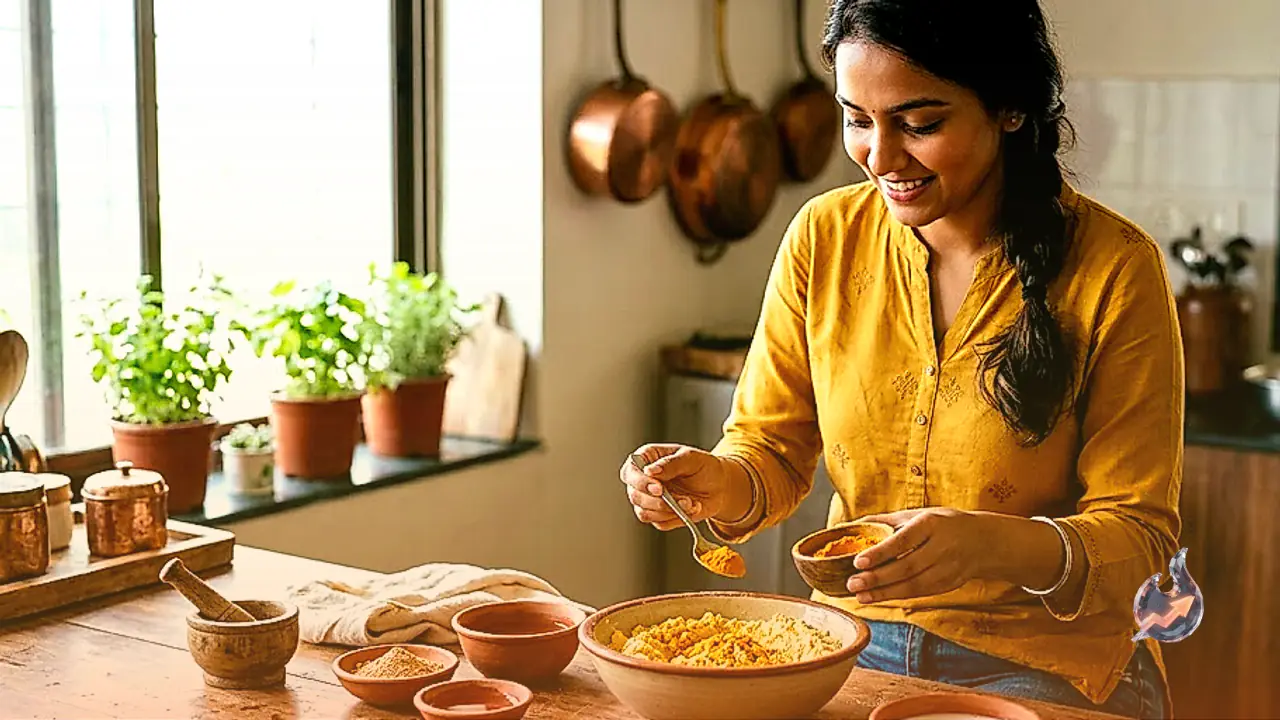
Dr Smita Srivastava outlines multiple convenient ways to integrate Shatavari into daily routines. A soothing decoction can be prepared by boiling its fresh leaves or roots in water. The fresh leaves and roots can also be incorporated into home-cooked vegetable dishes. Alternatively, its powdered form can be consumed with milk or lukewarm water. For added convenience, processed Shatavari capsules are widely accessible in commercial markets.
Simple Guide to Growing Shatavari in Pots at Home
For individuals interested in domestic gardening, Gardening Expert Shiv Kumar Singh outlines a step-by-step procedure to cultivate Shatavari successfully in container pots. The preparation begins by spreading the target soil under direct sunlight for one full day to sterilize it naturally before planting.
Once the soil is solarized, mix in 1 to 2 cups of organic fertilizer thoroughly. Transfer this nutrient-enriched soil mixture into a pot and level the surface evenly. Create a planting hole approximately 2 inches deep, insert the Shatavari seeds, cover them smoothly with soil, and apply a light misting of water. Using vermicompost or well-rotted cow dung manure maintains long-term soil fertility and accelerates healthy foliage development.
Commercial Cultivation and Long-Term Profits for Farmers
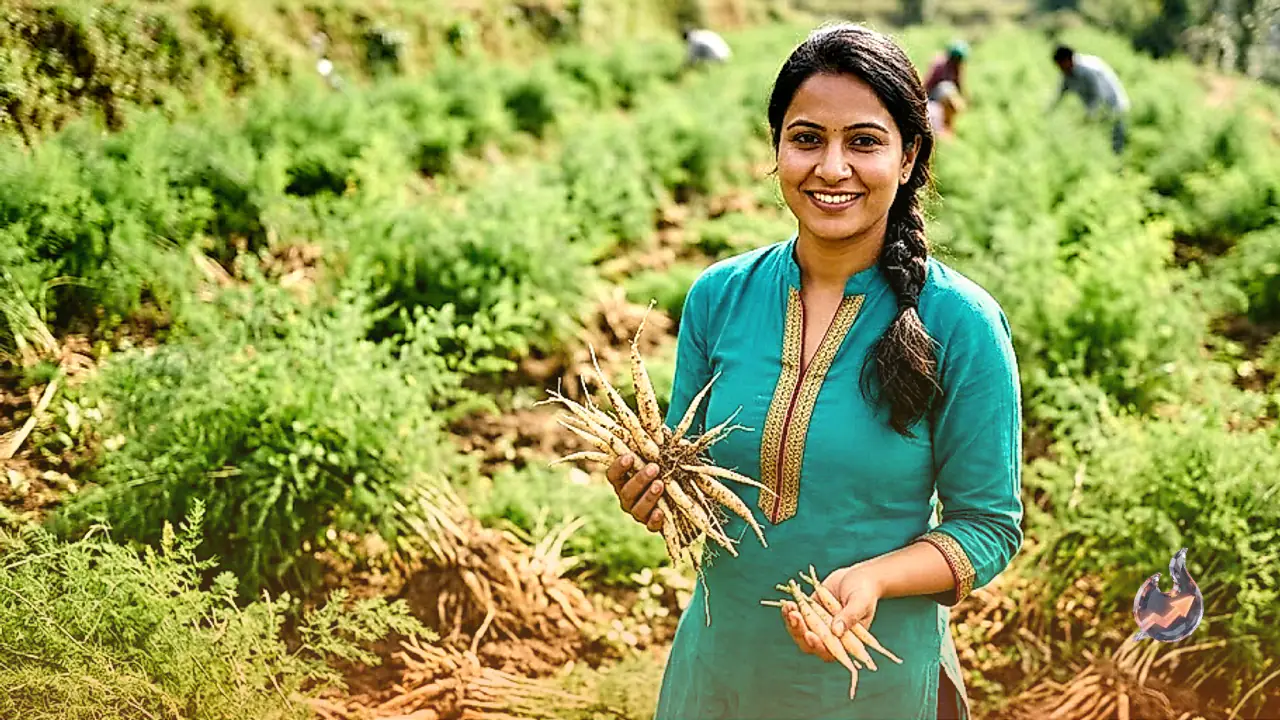
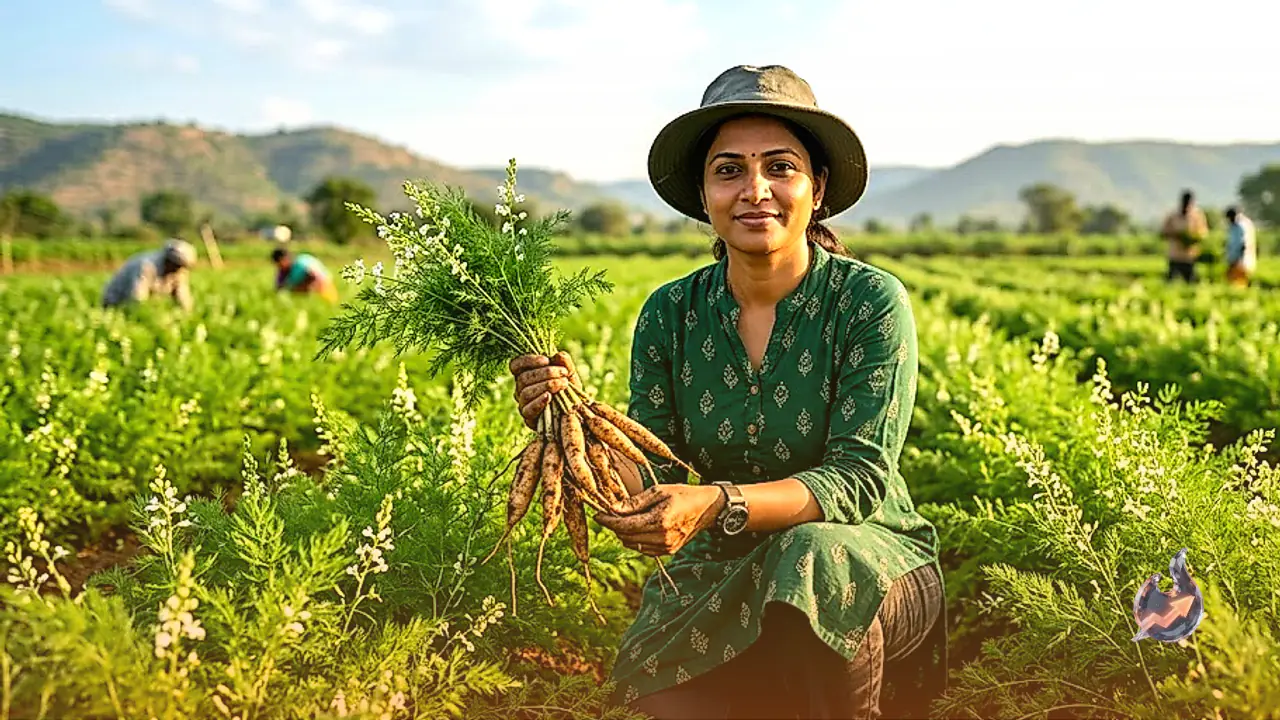
The potential of Shatavari extends far beyond home gardens into large-scale agricultural operations. Driven by rising market demand from herbal drug manufacturers and natural care brands, farmers are securing attractive market prices for their harvests.
Cultivating Shatavari requires well-drained soil to prevent root stagnation. One of the primary advantages of this crop is its perennial yield cycle; with appropriate field management, a single planting continues to produce harvestable yields over several consecutive years. This multi-year harvesting capability turns Shatavari farming into a reliable long-term economic asset, blending personal health promotion with steady financial gains.