



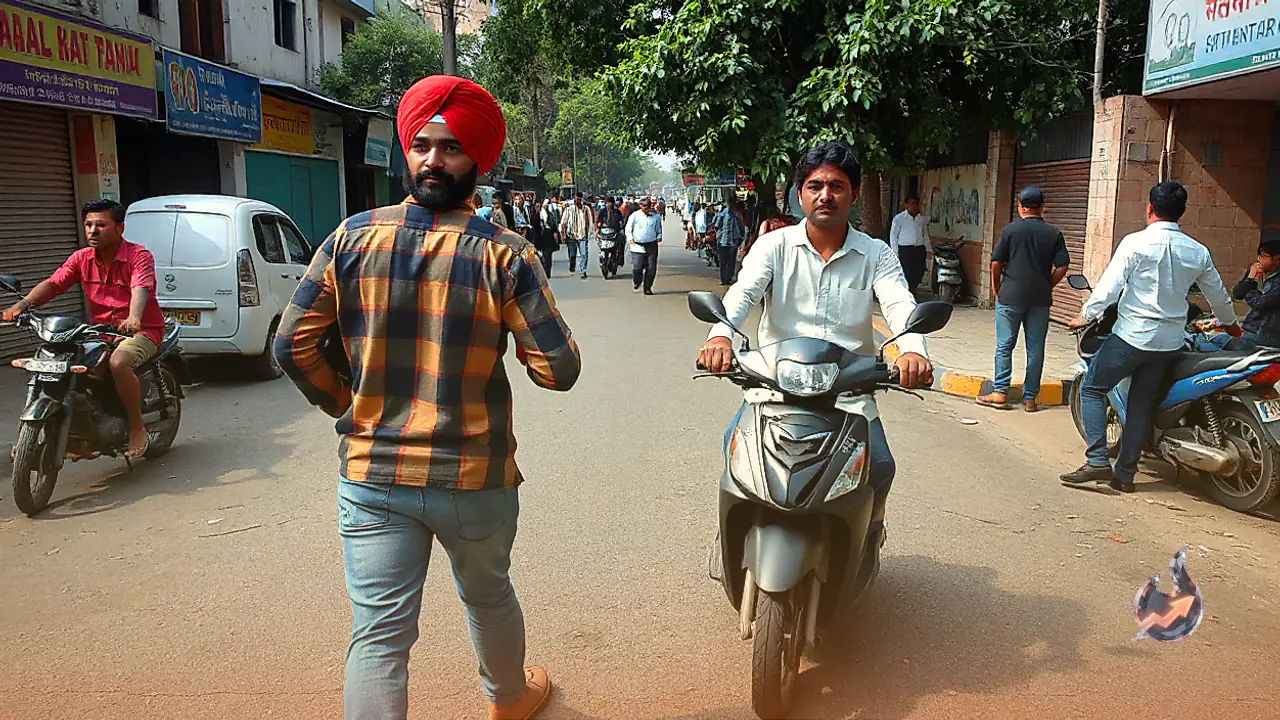
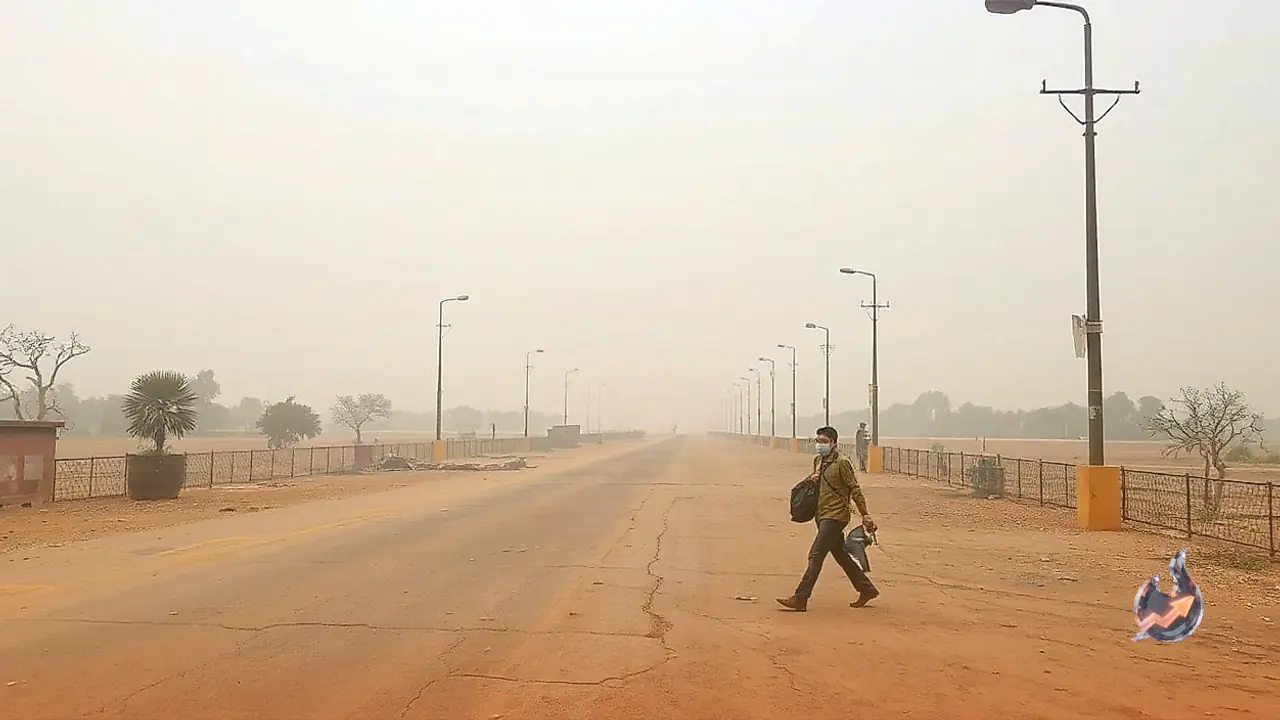

















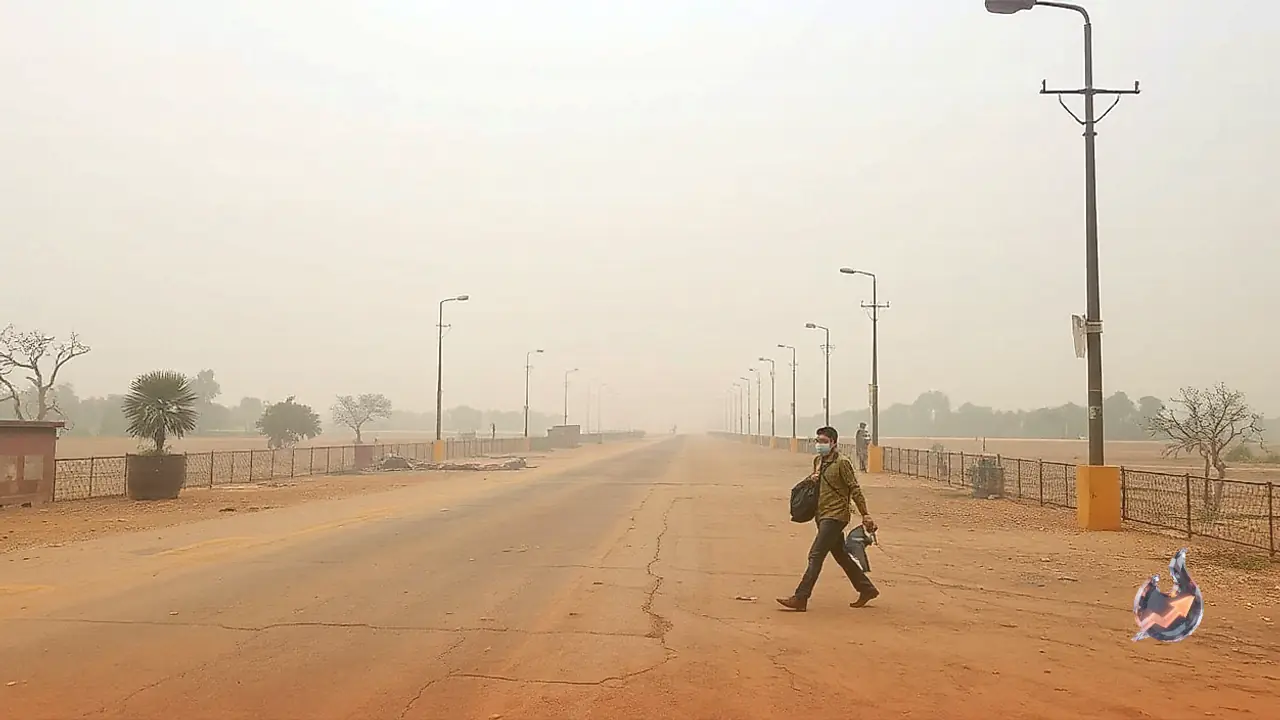

The air pollution crisis has once again gripped Delhi and the National Capital Region, pushing air quality readings firmly into the very poor category. With the onset of winter weather, a thick and hazardous blanket of smog has enveloped the entire region, causing widespread distress among residents who are reporting severe eye irritation, throat soreness, and heavy breathing difficulties. This escalating environmental hazard presents a particularly severe and life-threatening challenge for individuals who suffer from chronic respiratory conditions like asthma, as toxic particulate matter fills the atmosphere.
Why Air Pollution Worsens Asthma Symptoms
Microscopic pollutants suspended heavily in the air, such as PM 2.5 and PM 10, penetrate deep into the respiratory tract and trigger dangerous inflammation within the airways. This physiological reaction leads to a sharp increase in persistent coughing, chest tightness, shortness of breath, and audible wheezing among susceptible individuals. Children, elderly citizens, and those whose asthma conditions remain uncontrolled face disproportionately higher health risks during these high-pollution episodes. Dr. Karn Mehra, Senior Consultant, Unit Head, and Advanced Lung Failure and Transplant Pulmonologist at Fortis Hospital in Manesar, has stepped forward to explain vital preventive measures.
Common Medication Mistakes to Avoid
According to medical guidance, one of the most dangerous mistakes patients make is independently stopping their inhalers or reducing prescribed medication dosages the moment their symptoms appear to subside. Patients must strictly adhere to their regular controller medications and avoid making any unilateral alterations to their treatment plans without consulting a qualified physician. Furthermore, a rescue inhaler should be kept within arm reach at all times, and patients must be completely familiar with its correct operational technique during acute flare-ups.
Essential Daily Precautions During Heavy Smog
When atmospheric pollution reaches elevated levels, individuals should strictly avoid early morning walks, outdoor jogging, and strenuous physical exercise in open environments. If stepping outside becomes an absolute necessity, wearing a properly fitted N95 respirator mask is strongly advised to filter out dangerous particles. Home windows should remain securely shut during peak pollution hours, and households should deploy HEPA-filtered air purifiers where feasible. Additionally, indoor smoking, burning incense sticks, operating mosquito repellent coils, and using heavily scented sprays indoors should be strictly avoided.
When to Seek Urgent Medical Attention
If breathing distress intensifies significantly, if a rescue inhaler fails to provide adequate relief, or if the patient experiences difficulty speaking full sentences, professional medical help must be sought immediately. While eliminating outdoor pollution entirely remains beyond immediate control, patients can successfully manage their asthma symptoms through disciplined medication routines, diligent precautions, and timely clinical interventions.