

















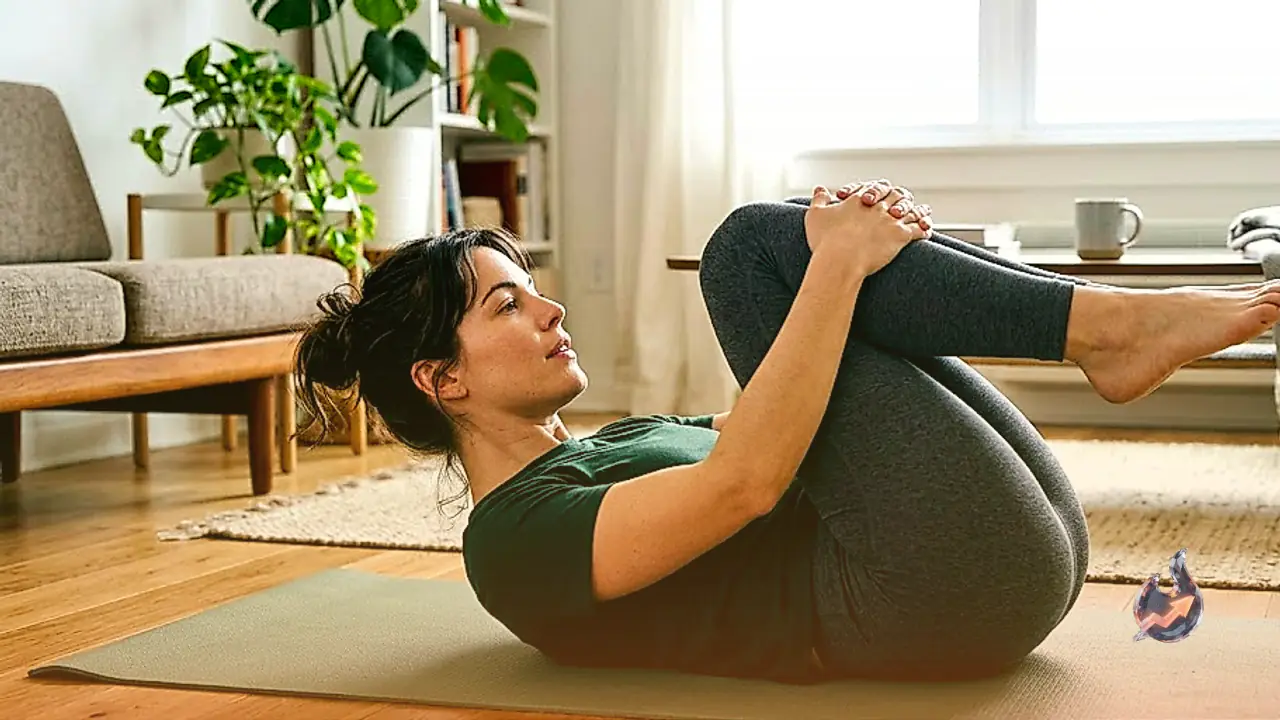

Sedentary routines, extended hours spent sitting at work desks, and erratic dietary patterns frequently disrupt normal digestive rhythm. For many individuals, these habits manifest as uncomfortable abdominal bloating, excessive intestinal gas, indigestion, and a constant feeling of abdominal heaviness. Within yogic practices, specific postures are recognized for their restorative influence on digestive comfort, with Pawanmuktasana standing out as an accessible physical intervention. By creating gentle mechanical compression across the abdomen, this pose facilitates the release of trapped flatulence while easing everyday gut distress.
Understanding the Structure and Mechanics of the Posture
The term Pawanmuktasana originates from three classical Sanskrit words: 'pawan' meaning air or wind, 'mukta' meaning release or liberation, and 'asana' denoting a physical posture. Commonly termed the wind-relieving pose, the exercise begins with the practitioner resting flat on their back against the floor. From this reclining posture, the knees are bent upward and drawn close toward the chest and abdominal region. By clasping the shins or knees with both hands and applying gentle pressure toward the torso, light compression is exerted on the abdominal wall. This targeted physical pressure encourages the movement and expulsion of trapped air pockets within the digestive tract.
Digestive Benefits, Muscle Engagement, and Common Misconceptions
Guidance from the Ministry of Ayush highlights that Pawanmuktasana exerts direct pressure on the abdominal region, serving as a functional aid to the digestive process. As the abdominal cavity compresses and relaxes, digestive motility receives mild stimulation. Beyond internal digestive benefits, the posture actively recruits the muscles of the core, lower back, and pelvic floor. Consistent practice using correct form promotes muscular control and preserves joint flexibility in the lower spine and hips. However, claims suggesting that this posture serves as a definitive remedy for menstrual irregularities or a targeted method to burn abdominal fat lack rigorous scientific backing, meaning it should not be viewed as an absolute cure for clinical conditions.
Crucial Safety Measures and Contraindications
Practicing Pawanmuktasana safely requires careful consideration of one's existing health history and physical limitations. Individuals recovering from recent abdominal surgery, spinal trauma, or acute lower back issues must strictly avoid this movement without explicit clearance from their physician. Pregnant women should completely refrain from this posture, as the localized compression against the abdominal cavity carries unnecessary risk. Furthermore, those dealing with abdominal hernia, unstable high blood pressure, or severe internal ailments should only undertake this exercise under direct supervision from a certified yoga specialist and their healthcare provider.