























Menstrual care in modern times has evolved far beyond merely preventing leaks and offering high absorbency. Gynecologists and medical specialists are now stressing that the materials and ingredients used inside sanitary pads and menstrual products require equal, if not greater, attention. Because these personal hygiene products remain in direct contact with sensitive skin for extended periods throughout a woman's reproductive life, understanding what goes into their manufacturing has become a crucial aspect of feminine health and wellness.
The Growing Shift Toward Skin-Friendly Menstrual Care
In recent years, female consumers have begun demanding products that prioritize long-term skin health alongside functional performance. There is a rapidly rising preference for sanitary napkins that are dermatologically tested, manufactured using breathable materials, and completely free from artificial fragrances. Alongside these safety features, pads infused with botanical ingredients are emerging as a major innovation in the market, attracting interest from health-conscious women seeking natural comfort during their periods.
Lifetime Menstrual Duration and Expert Recommendations
Highlighting the long-term impact of hygiene choices, Dr. Alpana Kansal, President of the Indian Medical Association (IMA) in Ghaziabad, points out that women spend roughly one-fourth of their reproductive lives undergoing menstruation. Due to this substantial duration, selecting the right sanitary napkin is critical. Dr. Kansal emphasizes that pads must not only absorb efficiently but also remain gentle, safe, and comfortable against the skin.
Products engineered with breathable structures and botanical extracts such as Moringa Oleifera can offer noticeable comfort during continuous, long hours of wear. However, Dr. Kansal clarifies that no advanced material or natural additive can act as a substitute for basic menstrual discipline. Changing sanitary napkins at regular intervals and maintaining strict personal hygiene remain the primary prerequisites for preventing infections and skin complications.
The Role of Moringa Oleifera in Modern Sanitary Products
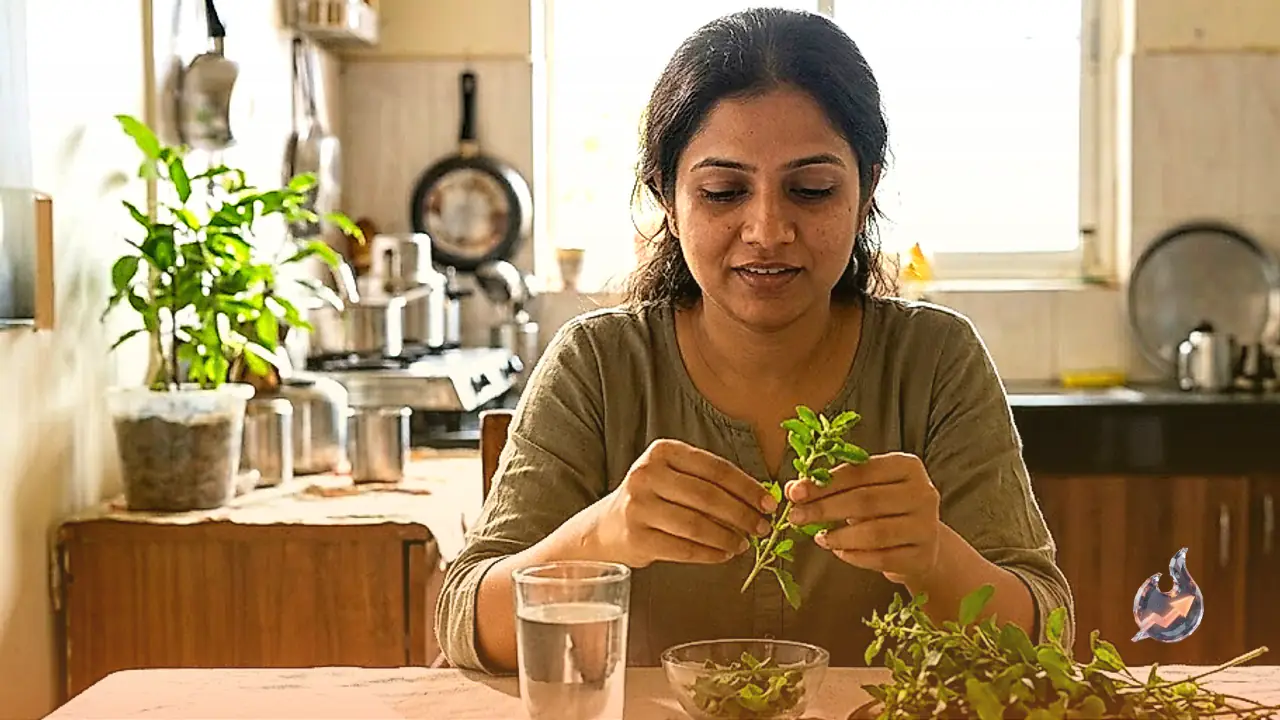
One of the most notable technological innovations in recent menstrual care is the incorporation of Moringa Oleifera extract, commonly known as drumstick or sahjan. Long revered in traditional Ayurvedic practices, Moringa is rich in essential vitamins, potent antioxidants, and bioactive plant compounds that promote skin health.
Scientific validation for these properties came in a 2024 review published in the journal Frontiers in Pharmacology. The published study detailed that Moringa contains carotenoids, tocopherols, flavonoids, phenolic acids, and various essential vitamins. Researchers highlighted its powerful antioxidant, anti-inflammatory, and antimicrobial characteristics, which protect skin tissue from oxidative stress and irritation.
While Moringa historically served primarily as a dietary supplement, innovative manufacturers are now integrating its extract into the top sheet of sanitary napkins. This application aims to provide a smoother, soothing layer against sensitive skin while preserving the high liquid absorption performance required during heavy flow days.
Label Awareness, Fragrance Risks, and Intimate pH Balance
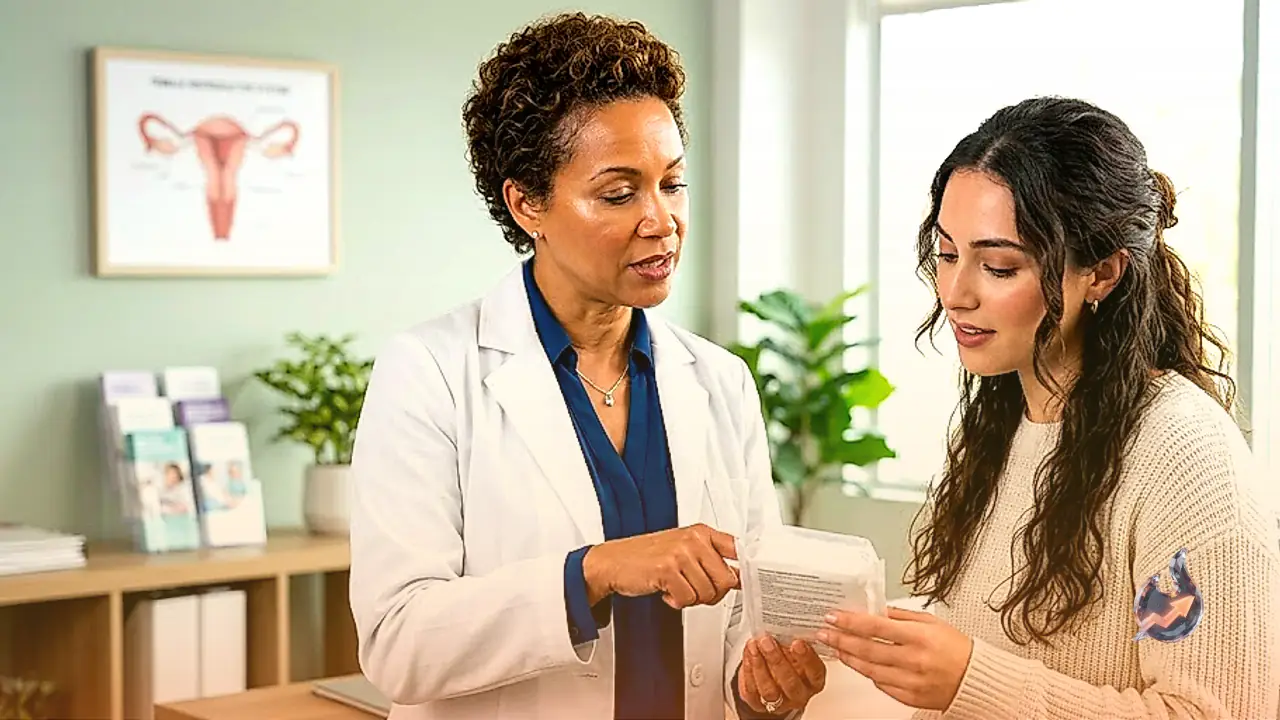
Echoing these observations, Dr. Richa Singhal, Senior Obstetrician and Gynecologist at Cloudnine Hospital in Delhi, notes that modern women are becoming far more conscious about personal care ingredients. She advises that instead of focusing purely on pad dimensions or absorbency claims, women should carefully read product packaging labels before buying.
Dr. Singhal explains that selecting dermatologically tested napkins made with premium breathable structures, natural elements like Moringa, and zero unnecessary synthetic scents significantly lowers the risk of skin discomfort, rash formation, and allergic reactions. Artificial fragrances, often added to mask odor, are a primary trigger for localized skin irritation in sensitive individuals.
Furthermore, Dr. Singhal advises against using harsh or strong soaps to clean intimate areas. She recommends that if specialized cleansing products are used, they should strictly maintain the natural pH balance of external intimate anatomy to prevent disrupting protective microflora.
A Industry Movement Toward Transparency and Safety
Healthcare professionals view this shift toward ingredient transparency as a sign of evolving health awareness among consumers. Modern women expect products to deliver high functional performance without sacrificing long-term bodily health, skin integrity, or daily comfort. As consumer expectations continue to grow, experts anticipate further plant-based innovations in menstrual products, provided women remain empowered with accurate medical guidance and healthy hygienic habits.