























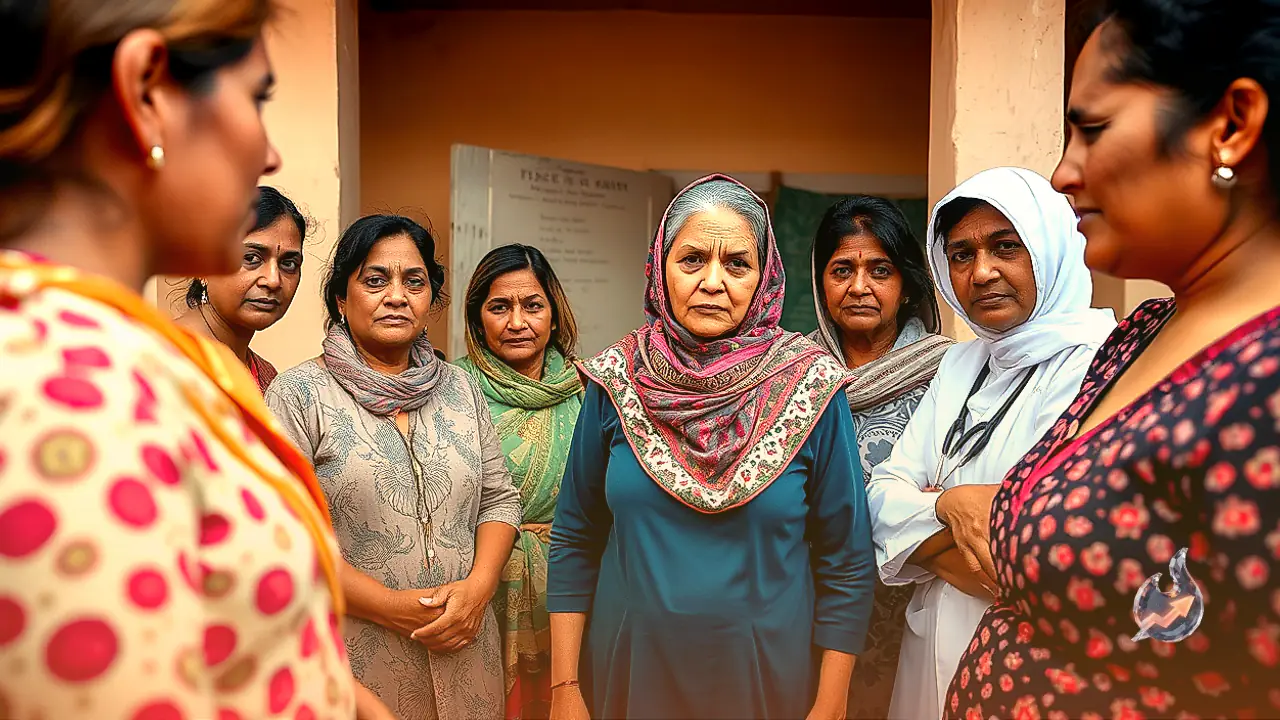

The continuous strain of workplace pressure, family expectations, and fast-paced modern living is quietly taking a severe toll on the physical well-being of women. Chronic pressure is often viewed purely as an emotional burden, yet it frequently disturbs women's gynecological and reproductive health. Dr. Alka Dahiya, a gynecologist at Max Super Speciality Hospital in Delhi, highlights that many women remain entirely unaware that unresolved, persistent tension can severely impair their biological capability to conceive and bear children.
Health Complications Triggered by Prolonged Tension
Enduring mental and physical strain over extensive periods creates substantial hormonal chaos within the body. Consequently, women frequently experience irregular menstrual cycles or delayed periods. In many situations, individuals suffer through unusually painful menstrual cycles or face periods marked by abnormally heavy bleeding. Furthermore, sustained pressure directly dampens the likelihood of successful conception. While chronic stress does not directly generate severe underlying diseases on its own, its greatest danger lies in delayed diagnosis. Women often overlook these recurring warning signals and postpone consulting a healthcare professional, allowing deeper physiological problems to silently escalate beneath the surface.
Practical Daily Adjustments to Manage Stress Levels
Managing day-to-day stress proactively is an effective way for women to protect and restore their overall reproductive health. Establishing sound daily habits makes a profound difference. Ensuring seven to eight hours of sound, uninterrupted sleep each night provides vital physiological recovery. Maintaining consistency across basic routines, such as waking up, having meals, and going to bed at fixed times each day, creates structural stability for the body. Incorporating daily light walks or mild physical exercise supports general physical vitality. Additionally, dedicating at least ten minutes every day to focused meditation and deep breathing exercises effectively calms the nervous system. Integrating regular yoga sessions and cultivating a positive mindset further serve as indispensable tools for reducing mental burden.
Warning Signs Demanding Immediate Medical Evaluation
Women need to remain vigilant regarding specific physiological red flags that warrant prompt clinical evaluation. If menstrual periods completely stop for three consecutive months, consultation with a qualified gynecologist should not be delayed. Similarly, encountering excessively heavy menstrual bleeding or noticing drastic, sudden shifts in the menstrual cycle requires rapid medical attention. Chronic and uncontrolled tension continuously undermines a woman's menstrual rhythm and comprehensive physical health. Early lifestyle corrections, balanced nutritional intake, adequate rest, and timely clinical evaluations provide the simplest and most dependable defense against long-term gynecological complications.