























Every year on June 21, the world celebrates International Yoga Day to promote physical and mental well-being. Beyond general fitness, yoga is proving to be highly effective in managing chronic and severe health conditions. Specifically, for individuals battling rheumatoid arthritis and fibromyalgia, incorporating yoga into their daily routine is showing life-changing benefits.
AIIMS Research: The Power of Combining Medication with Yoga
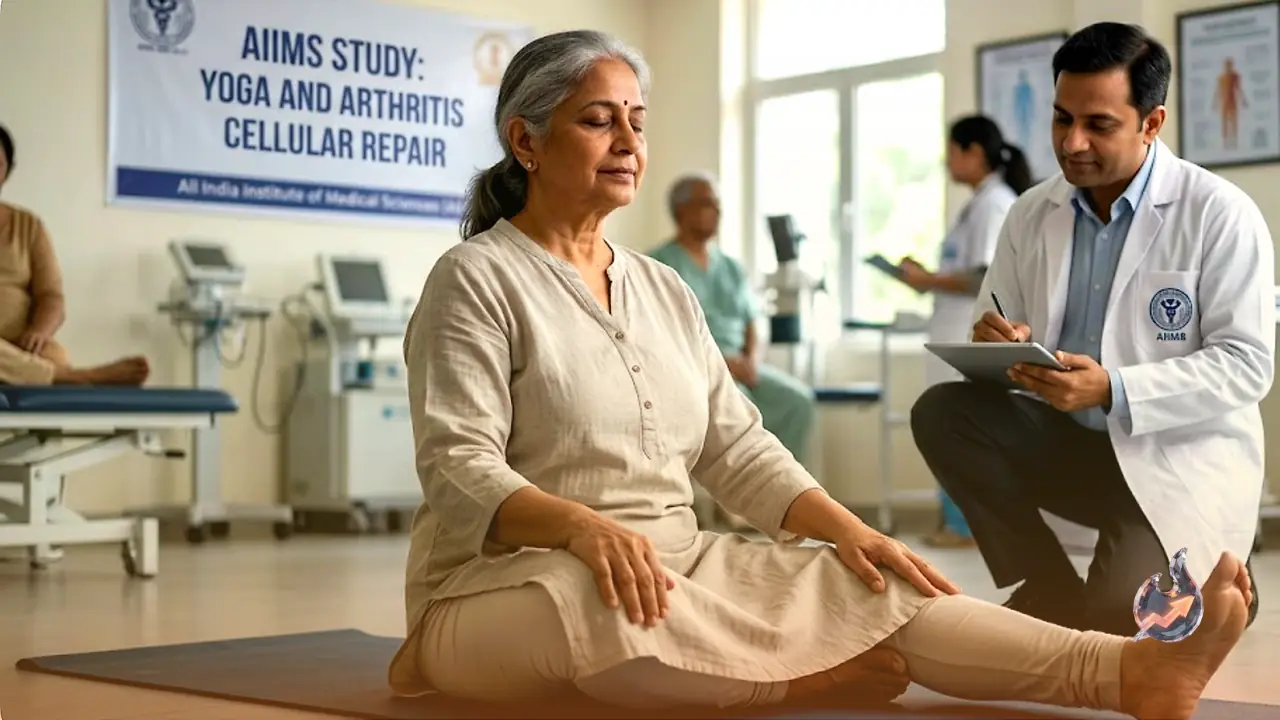
According to Dr. Uma Kumar, Head of the Rheumatology Department at AIIMS, Delhi, clinical studies have shown highly positive outcomes in patients suffering from various chronic ailments who practice yoga.
Experts note that patients who consistently practice yoga alongside their prescribed medical treatments experience rapid health improvements. These patients enjoy better sleep quality, a reduction in anxiety and negative thoughts, and an overall enhancement in their quality of life. Additionally, they experience a significant reduction in physical pain.
Healing at the Cellular Level
Dr. Uma Kumar's research highlights that the benefits of yoga go deep within the human body, acting at a cellular level. Patients who practiced yoga showed a decrease in inflammatory markers, improved cellular efficiency, reduced oxidative stress, and enhanced mitochondrial function.
Why Arthritis Patients Must Practice Yoga
For those dealing with joint pain, maintaining flexibility is one of the greatest challenges. Regular yoga helps sustain body flexibility, improves the range of motion in joints, and makes day-to-day physical activities much easier. These benefits are not limited to elderly patients but are highly valuable for people of all age groups.
Targeted Yoga Poses for Pain Relief
When performed under expert guidance, yoga helps relax muscles and keeps the body active. Specific postures like Bhujangasana (Cobra Pose) and Shalabhasana (Locust Pose) are highly recommended for those suffering from chronic back pain.
Additionally, gentle stretching, neck movements, and body rotations can help reduce muscle tension and increase mobility. Yoga should not be viewed merely as an exercise routine, but as an essential part of a healthy lifestyle.