






















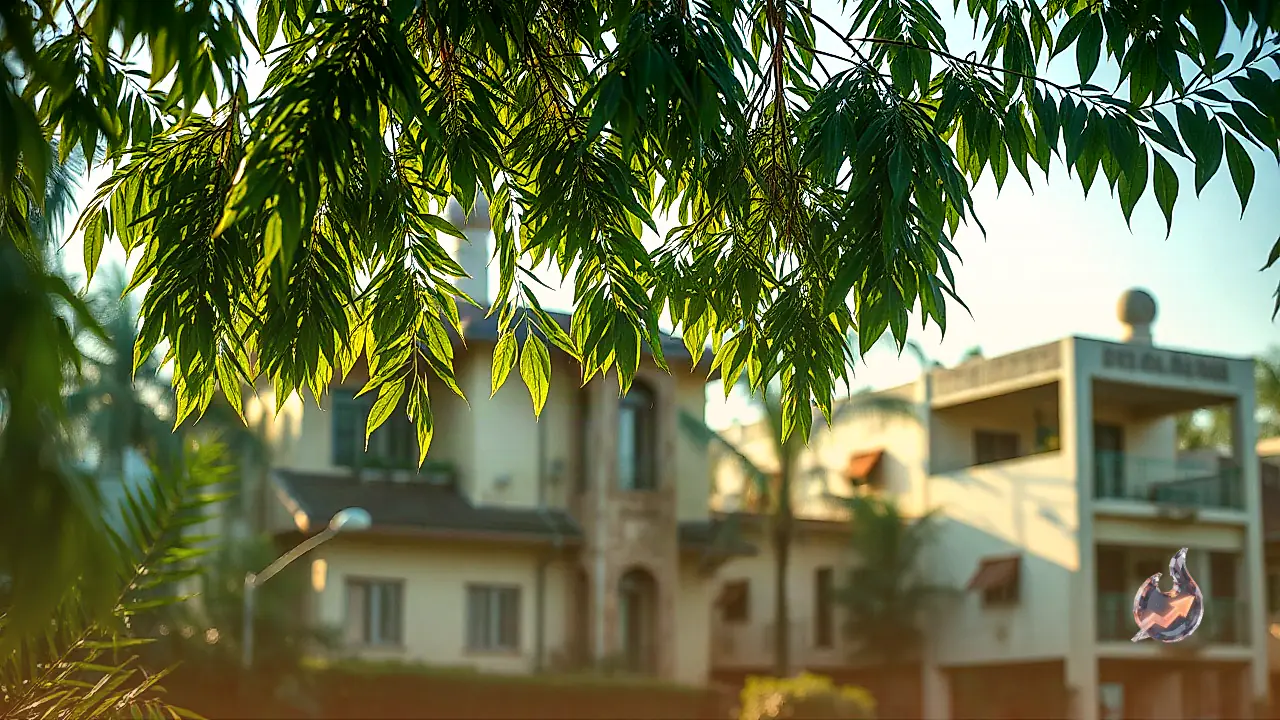

The neem tree standing in house courtyards and neighborhoods is known not just for providing cool shade, but also for its longstanding role in traditional wellness and household practices. Different components of the tree, including its leaves, bark, flowers, and seeds, have distinct traditional applications. According to Ayurvedic doctor Dr. Kusum Pandey, using neem in a controlled and appropriate manner can aid in skincare as well as in protecting homes from common pests. However, she emphasizes that neem should never be assumed to be a self-prescribed cure for serious medical conditions without professional guidance.
Skincare and Bathing Traditions with Neem
Neem leaves naturally contain several bioactive compounds that render them valuable for traditional self-care routines. According to Ayurvedic doctor Dr. Kusum Pandey, utilizing neem leaves for personal hygiene is an age-old practice. Clean neem leaves are typically boiled in water, allowed to cool, and then blended into regular bathwater. This process is traditionally believed to support general skin cleansing. Nevertheless, Dr. Pandey cautions that individuals suffering from skin infections or dermatological diseases should not rely solely on neem-infused bathwater and must seek proper medical advice from a qualified doctor.
Consuming Tender Leaves and Essential Safety Rules
While the consumption of tender neem leaves is another traditional practice, it does not imply that everyone should consume them daily or in large quantities. Dr. Kusum Pandey points out that oral intake of neem requires careful consideration of individual health profiles. Specific groups, including children, pregnant women, elderly individuals, and patients taking regular prescription medications for chronic health issues, must consult a healthcare professional before consuming neem leaves. Ingesting neem in arbitrary or high amounts without medical supervision can lead to adverse health effects.
Household Pest Protection Using Dried Neem Leaves
Beyond personal wellness, neem plays a functional role in everyday domestic organization. Dried neem leaves have traditionally served as a natural barrier against insects and pests inside homes. In many rural regions, it remains common practice to place dried neem leaves inside clothing storage, near grain containers, or around general household storage spaces. This traditional domestic remedy has been relied upon for generations to protect household goods from infestation without using chemical sprays.
Oral Hygiene: Evaluating Neem Twigs Against Modern Toothbrushes
Using thin neem twigs, commonly known as daatoon, for cleaning teeth is an ancient dental care practice in rural communities. Historically, it was viewed as a primary method for maintaining oral cleanliness. However, modern scientific consensus highlights that scientifically validated toothbrushes combined with fluoride toothpaste offer a safer, more effective, and comprehensive option for daily oral care. While neem twigs hold historical significance, modern dental hygiene tools provide superior protection for long-term oral health.
The Importance of Expert Guidance and Proper Usage
Ayurvedic doctor Dr. Kusum Pandey reiterates that despite the numerous traditional benefits associated with neem leaves, bark, flowers, and seeds, treating neem as a substitute for medical treatment during serious illness is unsafe. When incorporating neem into any wellness routine, factors such as dosage, application method, age, and existing health conditions must be evaluated. Anyone suffering from an illness, experiencing allergies, or taking ongoing medical treatments should adopt neem remedies strictly under expert medical supervision.