

















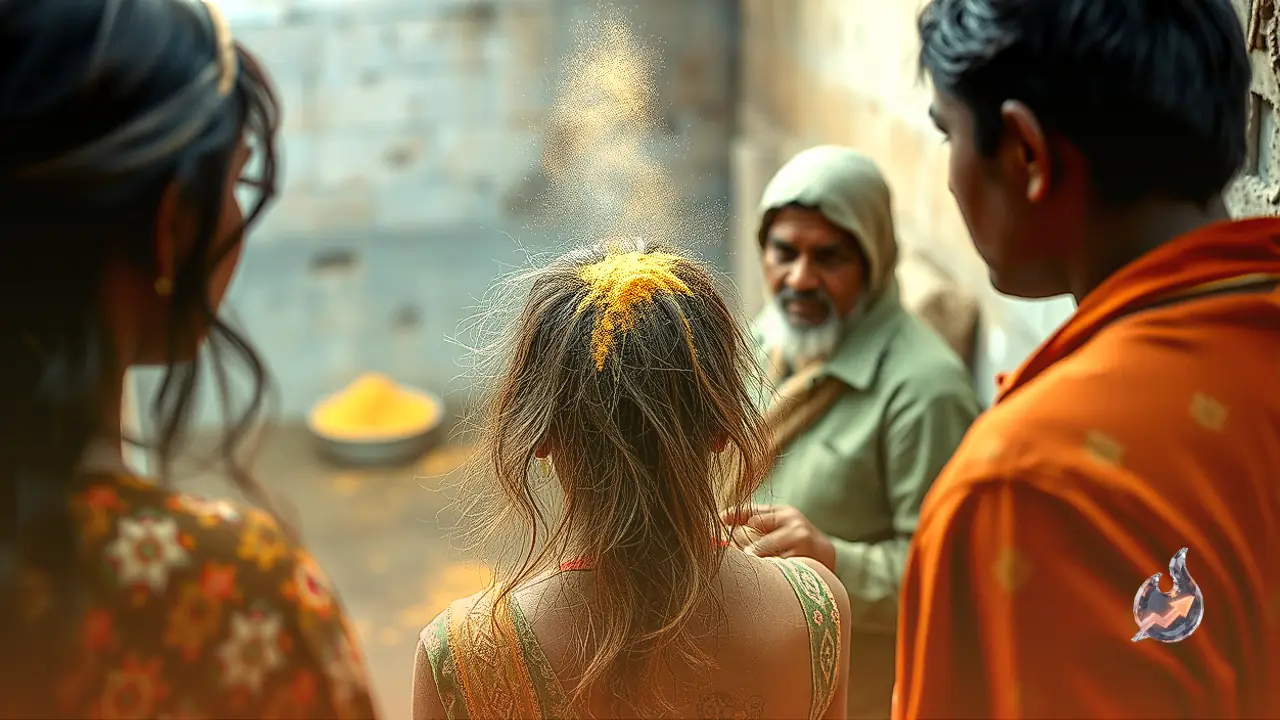

Thinning hair, excessive breakage, and stubborn dryness have turned into widespread concerns for people managing busy lifestyles and harsh environmental conditions. In their search for dependable solutions, individuals frequently invest heavily in commercial serums, premium shampoos, and restorative masks, yet these products often fail to deliver the desired transformation. Consequently, many are reconsidering holistic and traditional remedies to maintain healthy tresses. Dr. Mohammad Iqbal, an Ayush Medical Officer based in Rampur, points out that herbal powders such as amla, bhringraj, brahmi, shikakai, and reetha have served as dependable staples in hair hygiene for generations. These botanical ingredients can be incorporated into practical hair packs or utilized as gentle cleansers during routine washing.
Nourishing Scalp Applications Using Bhringraj and Brahmi
Bhringraj has long enjoyed a prominent reputation within traditional wellness practices for soothing the scalp and tending to delicate strands. The dried herb can be powdered and blended with clean water or a preferred hair oil to form a smooth paste suitable for topical application. Adding this mixture to an ongoing grooming schedule helps preserve basic scalp cleanliness, though it is critical to keep expectations realistic. Using bhringraj does not provide a definitive guarantee that shedding will cease entirely or that dormant follicles will regenerate fresh growth.
Brahmi represents another classic herbal ingredient celebrated for replenishing parched, lackluster tresses. Preparing a paste by mixing brahmi powder with plain water allows it to be spread evenly across the hair as an invigorating mask. However, dermatological caution is always advised whenever introducing natural compounds to the skin. Users should perform a small patch test on an inconspicuous patch of skin prior to the initial application, as certain individuals may experience localized redness or allergic irritation from direct contact.
Traditional Cleansing Blends of Shikakai, Reetha, and Amla
For centuries, shikakai served as an organic substitute for soap when washing hair. The plant contains inherent saponins that lift dirt and excess sebum from the scalp without relying on synthetic surfactants. It is routinely paired with amla and reetha to formulate a balanced herbal wash. Despite its clarifying advantages, frequent or heavy applications of shikakai can strip natural oils and leave delicate hair excessively brittle. Therefore, individuals must always calibrate usage according to their specific hair texture and moisture balance.
Amla contributes significant nutritional value to these formulations due to its dense concentration of vitamin C and protective antioxidants. Stiring amla powder into water creates an effective topical hair pack. Reetha operates primarily as a natural cleansing agent, relying on its natural saponin content to produce a cleansing foam that purifies both strands and scalp surfaces. Combining amla, shikakai, and reetha forms a time-tested trio for hair washing. Nevertheless, individuals who already struggle with rough, fragile, or dry strands should limit their exposure to reetha to avoid unnecessary dehydration of the hair fibers.
Diagnosing Root Triggers and Seeking Timely Medical Consultation
Dr. Mohammad Iqbal emphasizes that relying on a single herbal powder cannot produce an overnight cessation of hair shedding. Follicle loss is often driven by multifaceted physiological factors, such as psychological stress, nutritional deficiencies in daily meals, hormonal fluctuations, genetic predispositions, or specific dermatological conditions affecting the scalp. For this reason, herbal applications should be viewed strictly as supportive elements of everyday hygiene rather than curative treatments for clinical disorders.
If hair begins shedding at an unusually rapid pace, noticeable patches of baldness emerge, or persistent itching accompanied by redness troubles the scalp, prompt medical guidance becomes necessary. Consulting a qualified dermatologist allows for an accurate diagnosis of the underlying medical issue. Identifying the precise origin of the shedding ensures that patients receive targeted and scientifically appropriate medical care instead of relying indefinitely on home remedies.