
























Receiving a dengue diagnosis often triggers widespread confusion regarding proper nutrition, particularly when routine blood tests reveal a downward slide in platelet counts. Families frequently encounter advice urging the immediate intake of goat milk or rich, fatty items under the impression that these speed up recovery. However, Dr. Jyoti Singh, a dietitian at Mirzapur Divisional Hospital, emphasizes that overloading a weakened digestive tract can be counterproductive. The cornerstone of dengue care lies in consuming light, easily digestible meals while ensuring the body never runs low on hydration or essential micronutrients, a strategy firmly aligned with established medical protocols.
Choosing Light and Digestible Meals
During acute viral illness, the gastrointestinal system functions under considerable strain, making regular or rich meals difficult to process. Dr. Jyoti Singh recommends simple preparations such as moong dal, khichdi, porridge, and idli. These gentle dietary staples supply steady nourishment and protein without overwhelming the stomach. In contrast, excessively fatty items should be strictly kept away from the patient to prevent digestive distress and allow the body to focus its energy on battling the infection.
The Critical Role of Adequate Hydration
Fluid maintenance remains the most vital therapeutic intervention throughout the course of dengue. Dietetic guidance highlights the regular intake of oral rehydration solutions (ORS), fresh coconut water, and other appropriate fluids to preserve internal fluid balance. Fresh fruits can also be integrated into daily meals to furnish natural vitality. Nonetheless, because individual hydration requirements vary with clinical progression, the exact volume and type of intake should always be guided by the supervising physician.
Vegetables, Nutrition, and Home Remedies
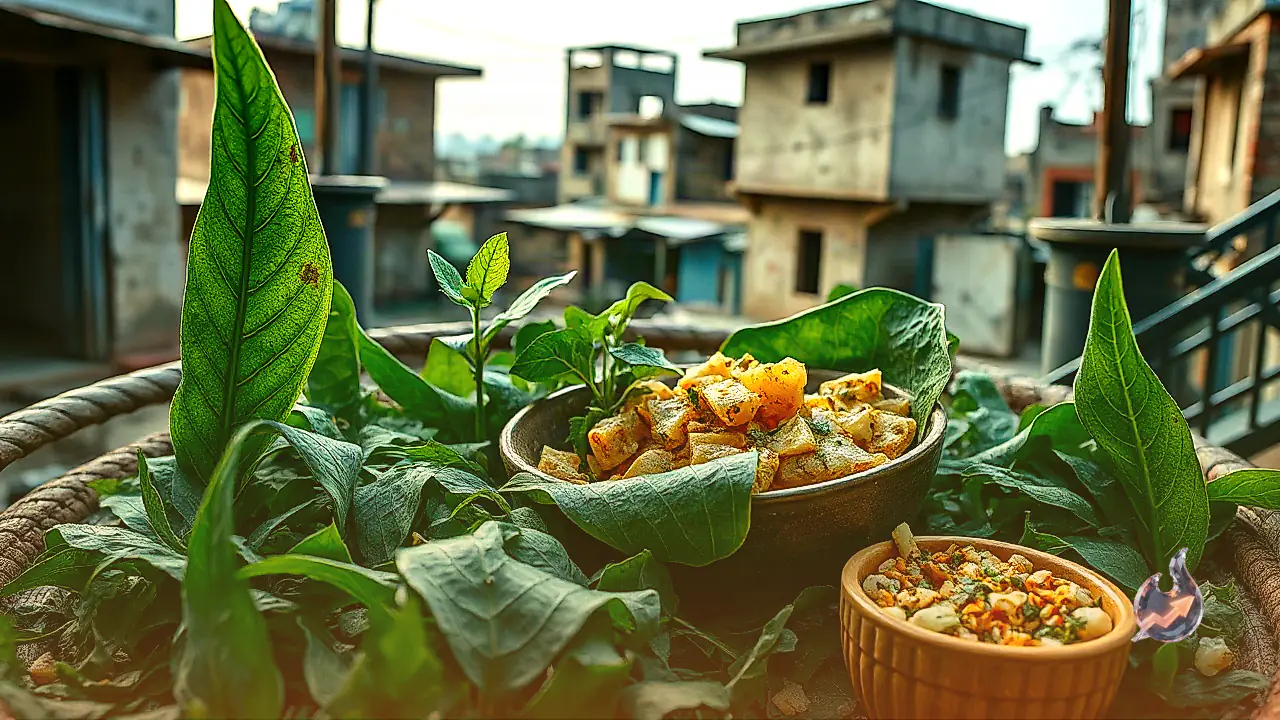
To bolster nutritional reserves, Indian gooseberry (amla) and fresh green leafy vegetables make valuable dietary additions. Whenever leafy greens are prepared, thorough washing and complete cooking are imperative to prevent opportunistic foodborne infections. While drumstick (moringa) leaves are also frequently suggested for their nutrient profile, reliance on domestic remedies must never supersede or replace qualified medical treatment.
Understanding Platelet Fluctuations and Critical Signs
A drop in circulating platelets represents a common phase of the viral infection, meaning a solitary platelet number does not tell the full clinical story. Guidance from the CDC underlines that maintaining adequate fluid therapy and vigilant clinical observation are the standard approaches, with routine platelet transfusions discouraged unless specifically directed by medical experts. Immediate clinical intervention is essential if warning indicators appear, including severe abdominal pain, persistent vomiting, bleeding from the gums or nose, blood in vomit or stool, profound weakness, or extreme restlessness, as these signals point toward severe dengue.