























I am generally a fan of my Whoop band, but the company’s subscription-only model is not for everyone. Recently, hobbyists started creating independent apps that allow users to connect to old Whoop 4.0 straps without needing the official service. I was excited by the idea, as it could prevent hardware from becoming e-waste and offer a way to keep data private. As I looked further into it, I realized that many such apps were surfacing on platforms like Reddit and Github.
Are these independent Whoop apps legal?
A Whoop spokesperson stated to TrendKia that they have reached out to individuals to remove apps that violate their IP, trademarks, or terms of service. For their part, the developers I spoke with believe their work is ethical and legal. Whoop maintains that its value lies in proprietary analytics and coaching features, which require a membership to process data. The new independent projects aim to bypass the company’s ecosystem entirely, allowing hardware to be used without a subscription or account.
The promise of independent Whoop apps
Whoop is a high-end, screenless fitness tracker, now in its fifth generation. Typically, users pay $239 a year for cloud processing and detailed recovery metrics. While this works for dedicated athletes, many look for alternatives for their older devices. Projects like Noop, Goose, and Wearable have emerged to bridge this gap. If a free app can communicate with the device over Bluetooth, users could theoretically gain insights without the ongoing costs associated with the official Whoop service.
How a non-Whoop app talks to the band
Whoop devices use Bluetooth Low Energy (BLE). While the official app uses a specific, undocumented protocol to bond with the strap, independent developers have had to reverse-engineer this language through trial and error. Projects like 'Whoomp' paved the way, but recent developers like Johnathan Middleton have used tools like AI to decode more of the communication protocol, enabling more functional apps like 'Wearable'.
The lifecycle of independent Whoop apps
Following Middleton's announcement on Reddit on May 30, a wave of projects including Goose and Noop appeared. However, this sparked pushback. Whoop’s VP of software, Robert Johanson, contacted developers to request the removal of their code. Noop's repository was briefly taken down by Github before being reinstated, while other projects like Goose seem to have gone dormant. The legal pressure has certainly created a chilling effect on the community.
How to run an unofficial Whoop app
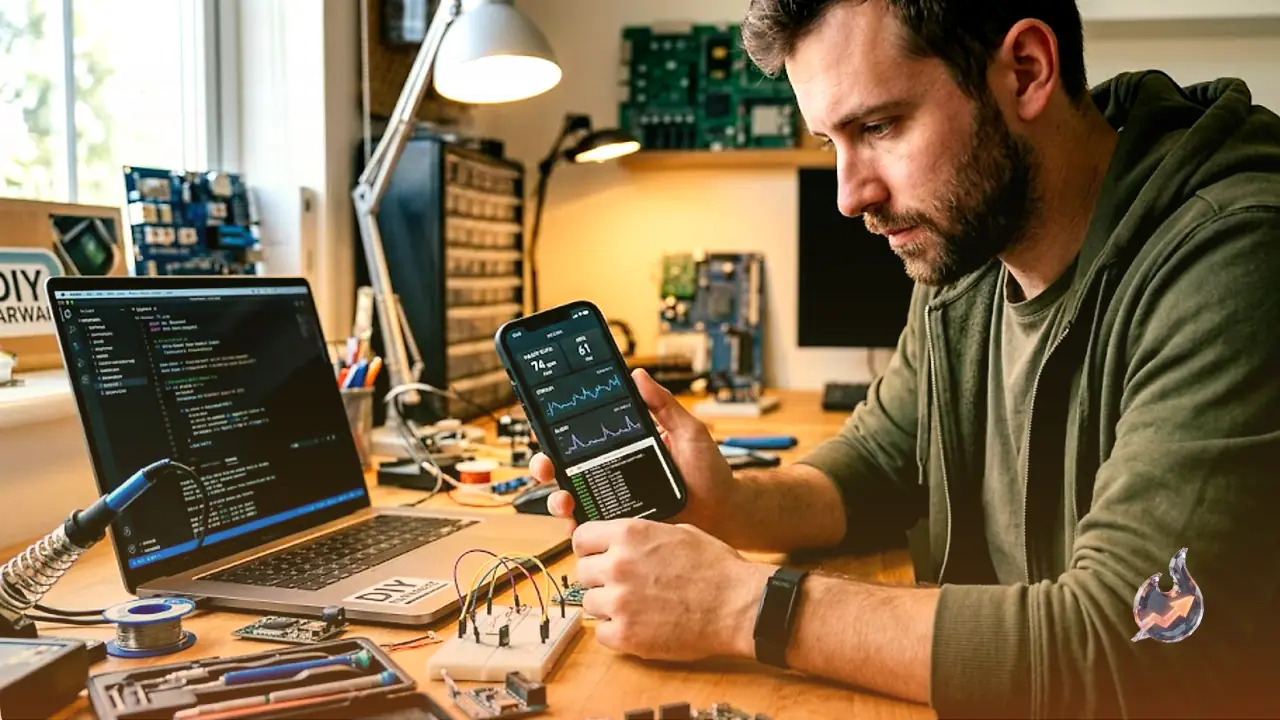
Using these apps is not a beginner-friendly experience. On iPhone, it requires compiling code and 'sideloading' the app, which is technically demanding. On Android, installing an .apk file is simpler but carries security risks. My own testing revealed that these apps are often buggy; 'Wearable' managed to show my heart rate but struggled with full data synchronization. They are currently works-in-progress that require constant maintenance.
Do these apps have a future?
Whoop is increasingly focusing on broader healthcare initiatives, but the desire for independent, low-cost access to personal health data remains high. Reverse engineering is generally legal, provided developers do not directly copy proprietary code. While the threat of legal action makes long-term maintenance difficult, I hope these projects persist. Our health data is deeply personal, and the ability to use hardware we own without being forced into a subscription is a principle worth fighting for.