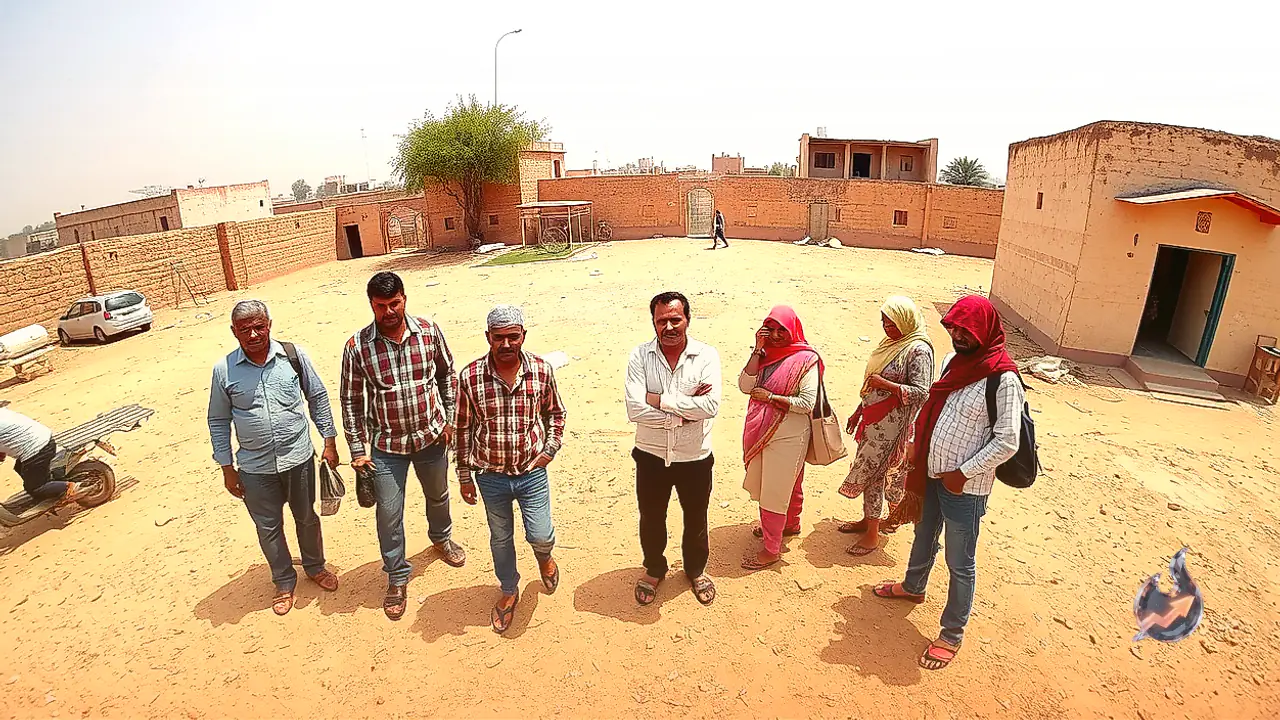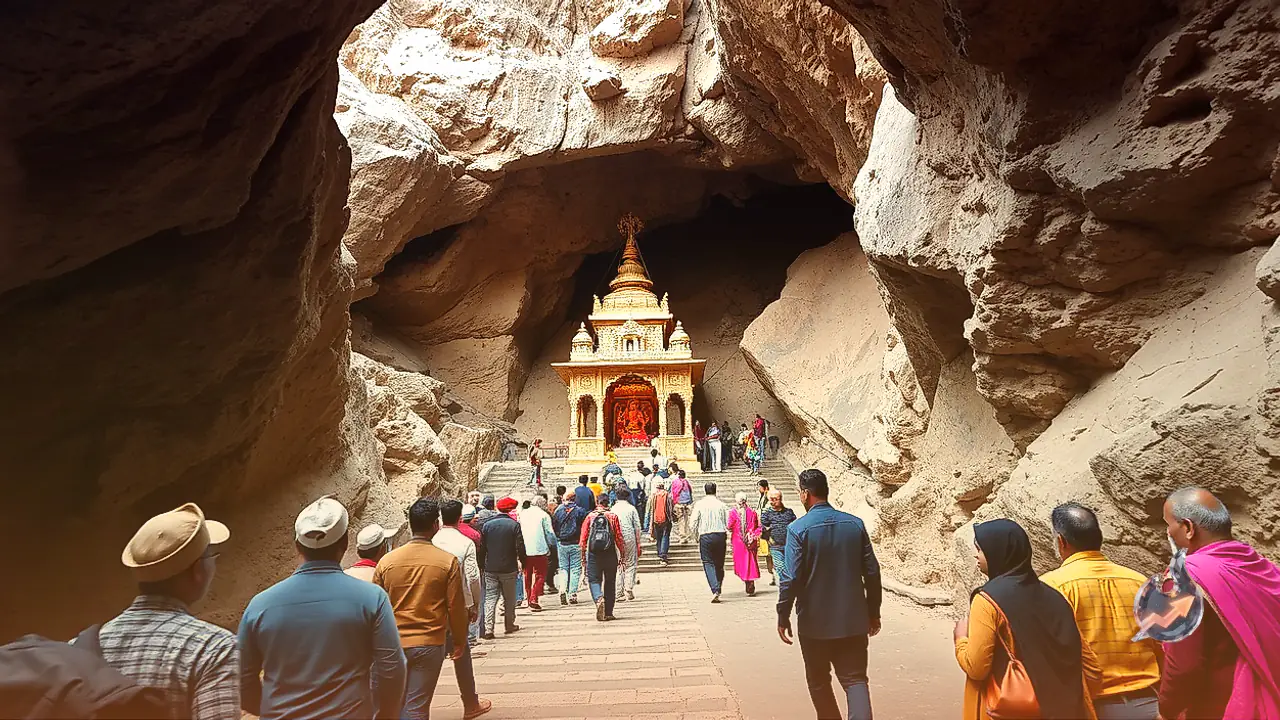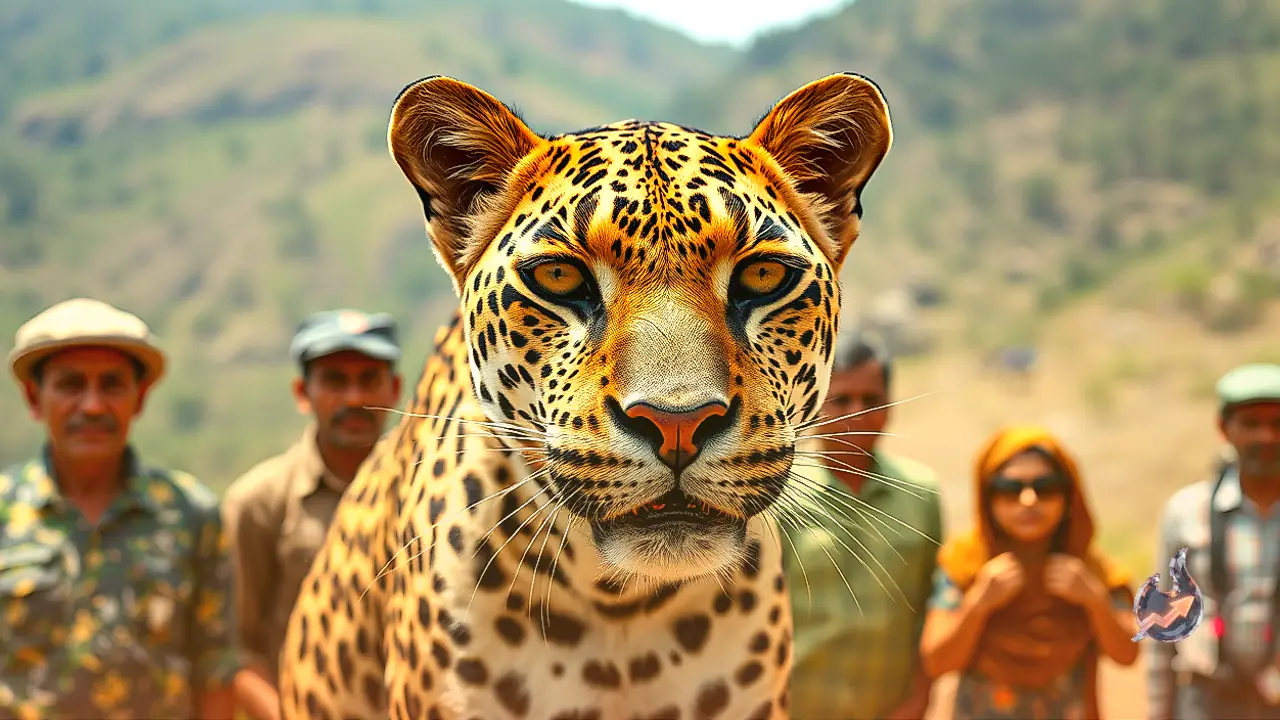


















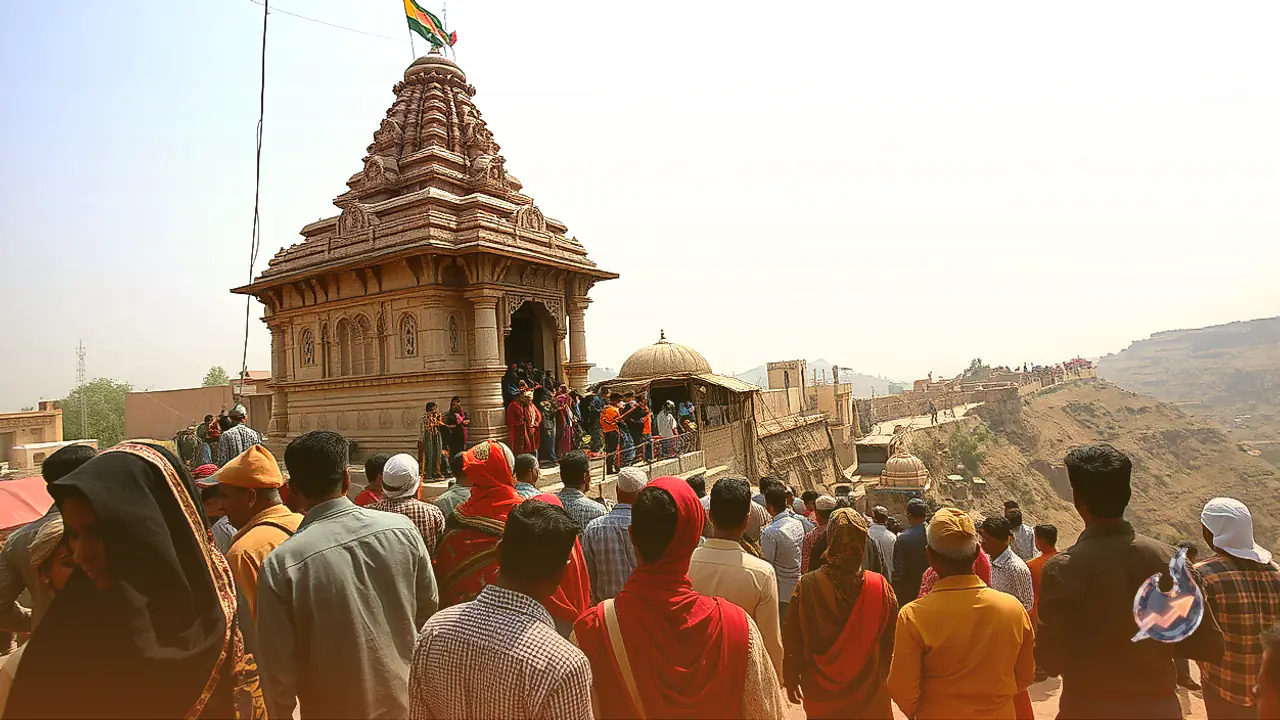

The rugged ravines of the Chambal region in Rajasthan were once notorious across the country for the relentless echo of gun battles and the presence of armed outlaws. Yet right in the midst of this inhospitable terrain, situated on a hill in Neem Basai village roughly 10 kilometers away from Dholpur city, stands the ancient shrine of Budhwa Mata. While the badlands below were synonymous with terror, this elevated sanctum offered an atmosphere defined not by firearms, but by the ringing of temple bells and metal cymbals. For generations, the shrine has commanded deep spiritual respect from local villagers and fierce forest outlaws alike.
Reverence of Outlaws and the Fear of False Oaths
A firmly rooted conviction surrounds the deity: anyone who swears a false oath before Budhwa Mata invites severe divine retribution. This belief was so deeply entrenched that even the most feared bandits of the Chambal ravines held immense reverence for the shrine. Bhupendra Singh Fauji, a local resident who has been visiting the sacred complex since his childhood days, highlights how this sacred site has shaped local tradition over centuries.
According to Bhupendra Singh Fauji, the outlaws considered Budhwa Mata their principal guardian deity. When moving through the rugged badlands, they would climb the hill to pay homage and present ceremonial bells and cymbals at her feet. Crucially, even ruthless fugitives feared speaking an untruth or swearing a false vow inside the sanctuary. This profound trust has survived intact across generations, continuing to draw pilgrims from distant villages who climb the hill to seek blessings and make personal vows.
Freedom Fighter Tatya Tope and the Ravine Crossing
Beyond its folk spiritual legacy, the shrine preserves a historic connection to India's struggle against British colonial rule. During the 1857 war of independence, the prominent revolutionary leader Tatya Tope arrived at this hill temple while evading enemy forces. He needed to navigate the treacherous Chambal ravines and cross the river safely to continue his campaign against colonial troops.
The temple's head priest at the time, Mahant Bhagwan Das Maharaj, stepped forward to assist the freedom fighter. Mahant Bhagwan Das Maharaj guided Tatya Tope through the hidden tracks of the dense ravines and ensured his safe crossing across the Chambal river. This episode permanently linked the religious landmark with the annals of national freedom history.
Navratri Gatherings and Living Cultural Heritage
Located around 10 kilometers outside Dholpur city, the shrine experiences massive footfall every year, particularly during the festive periods of Navratri. Devotees from nearby rural hamlets as well as distant settlements undertake the steep uphill trek to offer prayers and perform rituals. The winding path up the rocky hill, surrounded by the dramatic topography of the Chambal badlands, gives the pilgrimage an imposing character.
The temple stands as a testament to the cultural fabric of Chambal, weaving together regional folklore, the memory of banditry, and freedom struggles. In a landscape that once symbolized lawlessness, the enduring chimes of temple bells and chants of pilgrims continue to preserve a unique chapter of Indian heritage.