





















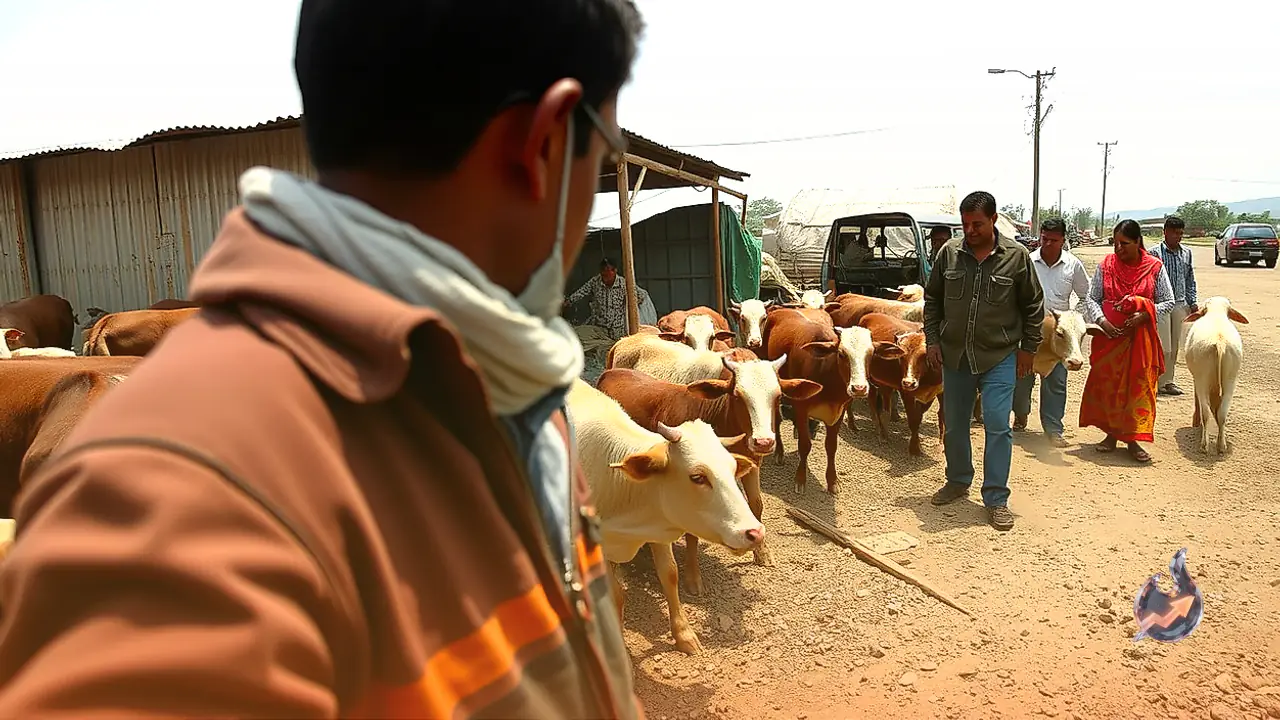

Weather transitions do not just impact human lives, as temperature fluctuations, sudden rainfall, and increasing cold waves significantly affect the health of livestock as well. These environmental shifts can expose farm animals to various health complications, making it crucial for livestock owners to pay close attention to their animals' nutrition, living conditions, and overall hygiene. Even a slight lapse in care can severely compromise the health of these animals and lead to serious medical conditions.
Common Illnesses and Symptoms
Rakesh Kumar Tiwari, the Deputy Chief Veterinary Officer in Gonda, explained that as the weather changes, animals frequently suffer from common colds, coughs, fevers, and respiratory issues. Additionally, consuming contaminated water or spoiled fodder can trigger severe digestive disorders in livestock. Ignoring these initial warning signs can prove dangerous, making early detection vital for the well-being of the animals.
Preventing Foot-and-Mouth Disease
According to Rakesh Kumar Tiwari, livestock owners must pay close attention to protecting their animals from foot-and-mouth disease during weather transitions. This is a highly contagious ailment that spreads rapidly among healthy animals through contact with infected livestock. Animals afflicted with this condition develop painful blisters or sores on their mouths and hooves. If such symptoms are observed, owners must immediately consult a qualified veterinarian without any delay.
Housing Hygiene and Nutrition
During shifting weather patterns, it is essential to keep animal shelters clean, dry, and free from stagnant rainwater in the surrounding areas. Livestock should be provided with clean drinking water and fresh, nutritious fodder. To protect them from harsh winds and cold, they must be housed in secure shelters. Owners should continuously monitor the daily behavior and feeding habits of their animals. If an animal loses its appetite, appears lethargic, runs a high fever, coughs persistently, or struggles to breathe, professional veterinary advice should be sought immediately. Administering medication without expert consultation should be strictly avoided.
Vaccination and Isolation Protocols
Timely vaccination is crucial to shield livestock from dangerous infectious diseases. Specifically, for protection against foot-and-mouth disease, farmers should take full advantage of immunization drives organized by the veterinary department. If any animal exhibits symptoms of illness, it must be promptly isolated from the rest of the herd and the veterinarian should be notified immediately. This proactive measure helps significantly reduce the risk of the infection spreading further.
Importance of Regular Monitoring
Rakesh Kumar Tiwari emphasized that livestock owners must maintain regular surveillance over their animals throughout the changing season. Special attention must be directed toward their diet, the purity of their drinking water, and the cleanliness of their shelters. Whenever any unusual physical symptoms are detected, expert veterinary guidance should be sought without wasting any time. Timely care and necessary precautions play a pivotal role in keeping livestock safe from preventable diseases.