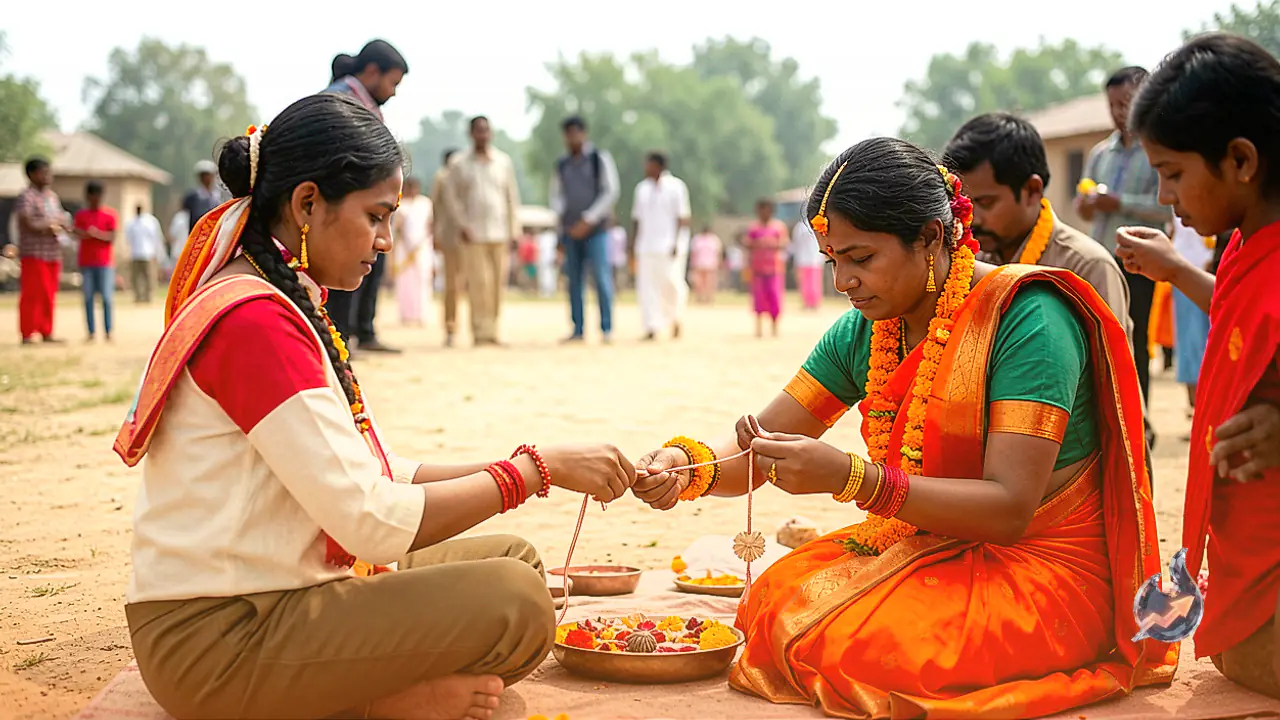




















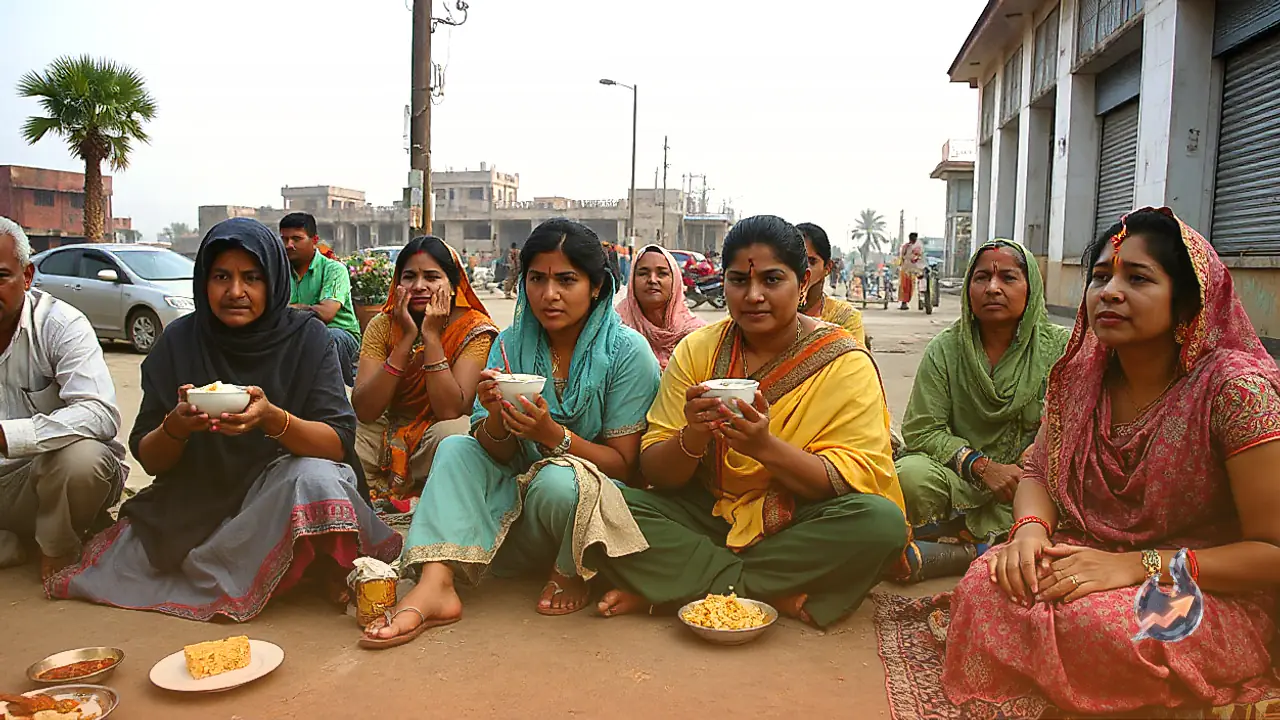

In Mithila, the observance of Madhushravani Panchami represents a deeply reverent tradition where newlywed women undergo a demanding fifteen-day spiritual discipline. Seeking long life and prosperity for their spouses, devotees adopt an austere lifestyle marked by strict dietary boundaries. Throughout this fortnight, they consume only a single cooked meal of unboiled grain, known locally as arwa food. While community tradition views this sacred routine as spiritually uplifting, medical professionals have analyzed how such prolonged dietary restrictions genuinely impact the human body.
The Dietary Rules of the Fortnight-Long Ritual
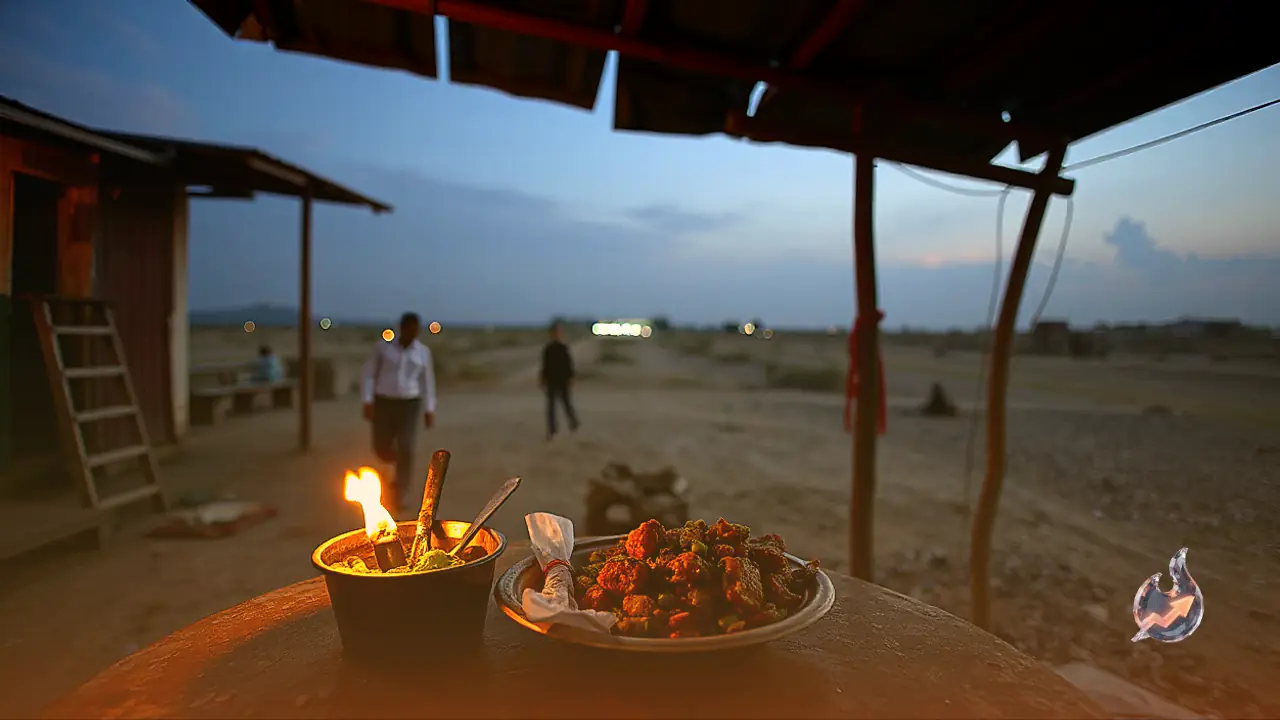
The daily nourishment during this ritual period remains exceptionally minimal and regimented. Fasting brides are permitted to consume salt only once a day during their principal afternoon meal. This standardized dish consists essentially of arwa rice accompanied by plain moong dal and a simple preparation of potato and pointed gourd (parwal) cooked without spices. Pungent ingredients such as onions, garlic, and other items regarded as impure are strictly excluded from the kitchen. Once dusk falls, the women conclude their day by taking only water and milk.
Potential Benefits: Caloric Deficit and Weight Reduction
Evaluating this dietary practice from a clinical perspective, Dr. Kunal Kaushal of Madhubani Sadar Hospital pointed out both advantages and physiological downsides. For individuals aiming to shed excess body weight, this brief period of controlled eating can trigger noticeable weight reduction. Because moong dal is light, easy to digest, and beneficial for gastrointestinal recovery, sticking to this clean regimen can lead to losing roughly 2 to 3 kilograms over the fifteen-day span.
Nutritional Deficiencies and Recommended Precautions
Despite short-term detoxification qualities, persisting with an unvarying plate for two full weeks introduces clear medical concerns. Dr. Kunal Kaushal explained that relying predominantly on arwa rice without variety often causes gastric irritation, acid reflux, and persistent gas formation. Restricting nutritional variety inevitably deprives the system of vital building blocks, resulting in generalized fatigue and a notable deficit in essential dietary proteins.
Medical examinations show that an unchanging diet over fifteen days harms the metabolic balance, draining baseline stamina and creating shortages of micronutrients alongside crucial vitamin B12. While such restrictive intake remains tolerable for the first two or three days, maintaining it for over two weeks is not medically advisable. To counter severe exhaustion, the doctor recommends that devotees balance their nights with fresh fruits and warm milk. Introducing hydrating fluids like coconut water, raw salads, and seasonal fruits helps replenish depleted vitamins and prevents debilitating physical weakness during the ritual period.