























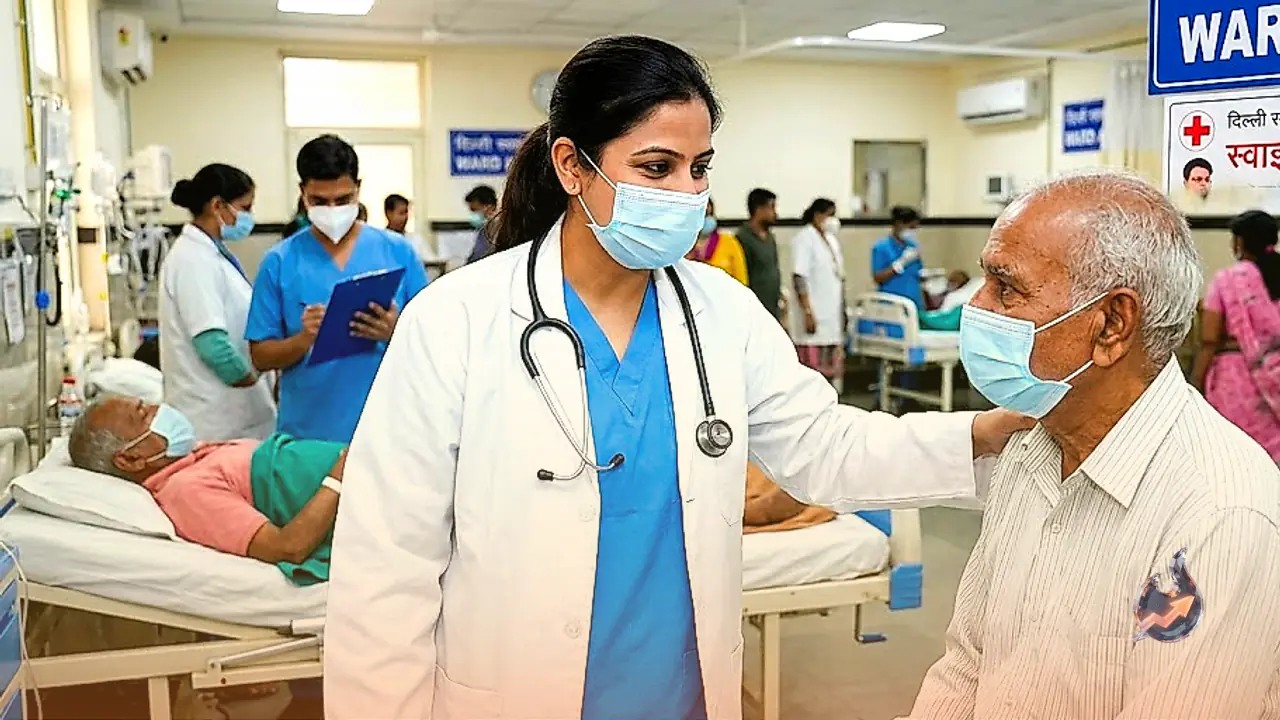

Swine flu, or influenza A H1N1, has seen a notable surge in cases across the national capital of Delhi. The city has recorded a total of 2,308 swine flu cases so far, alongside roughly 650 general flu infections. Despite these rising numbers, health officials have urged the public to stay calm, avoid panic, and maintain strict vigilance against the illness.
Health Department Readiness and Medical Advice
Dr. Pankaj Singh stated that the Delhi government is closely tracking the ground situation and remains fully equipped to handle and combat the disease. According to Dr. Pankaj Singh, the health department is maintaining continuous surveillance while essential medical preparations have been successfully put in place. Citizens have been advised to exercise necessary caution and take prompt protective measures if flu-like symptoms appear, rather than giving in to panic.
Respiratory Surveillance Across the Country
Rajiv Bhel, Director General of the ICMR, explained that respiratory virus surveillance is conducted across multiple tiers nationwide. Alongside routine reporting from various states, regular sample testing is carried out for respiratory syndromes. Current respiratory surveillance data shows that influenza A H1N1 is the most predominant strain, accounting for roughly 98 percent of certain sampled cases. While COVID-19 cases continue to emerge, their numbers remain significantly lower compared to previous phases.
Rajiv Bhel clarified that H1N1, commonly referred to as swine flu, is currently spreading in the manner of a standard seasonal influenza. He emphasized that the ongoing infections should not be viewed as a novel strain of swine flu. Viruses undergo minor mutations every year, and current indications show no sign of any major shifts or alarming transformations in the pathogen.
Precautions for Senior Citizens and Pregnant Women
The ICMR DG warned that certain flu patients can develop severe illness, particularly among the elderly and pregnant women. Individuals over the age of 65 and expectant mothers fall squarely into the high-risk category and must therefore exercise heightened caution if they experience symptoms. Seasonal influenza cases occur annually, much like this year. After transmission surges, infections eventually stabilize and begin to decline. However, based on current trends, it is impossible to state with absolute certainty whether the infection has reached its peak yet, making it difficult to precisely predict when it will peak over the next two to three weeks.
Transmission Control and Preventive Measures
According to Rajiv Bhel, the single most crucial step when experiencing flu symptoms is preventing the infection from spreading to others. Universal masking has not been mandated for everyone, but infected individuals must maintain distance from others. Because the flu spreads through respiratory droplets, keeping a safe distance from a sick person is essential. Regular handwashing should be practiced, and people must avoid touching their faces repeatedly. Coughing or sneezing should be done into the bend of the elbow, mirroring the hygiene habits taught during the COVID-19 pandemic.
When to Seek Immediate Medical Help
People are strongly advised against taking medications without consulting a physician. If anyone experiences breathing difficulties, chest pain, or other severe warning signs, they should immediately visit a hospital or consult a doctor. High-risk individuals, in particular, must never ignore such symptoms.
Guidelines on Flu Vaccination
The ICMR DG noted that, in accordance with recommendations from the WHO and the ICMR, high-risk groups and elderly individuals can choose to get the flu vaccine. However, the flu shot is not mandatory for the general population. Anyone who feels the need for the vaccine may obtain it following medical advice. Health authorities reiterate that there is no cause for panic, advising citizens to practice basic everyday precautions and seek timely medical care if severe symptoms arise.