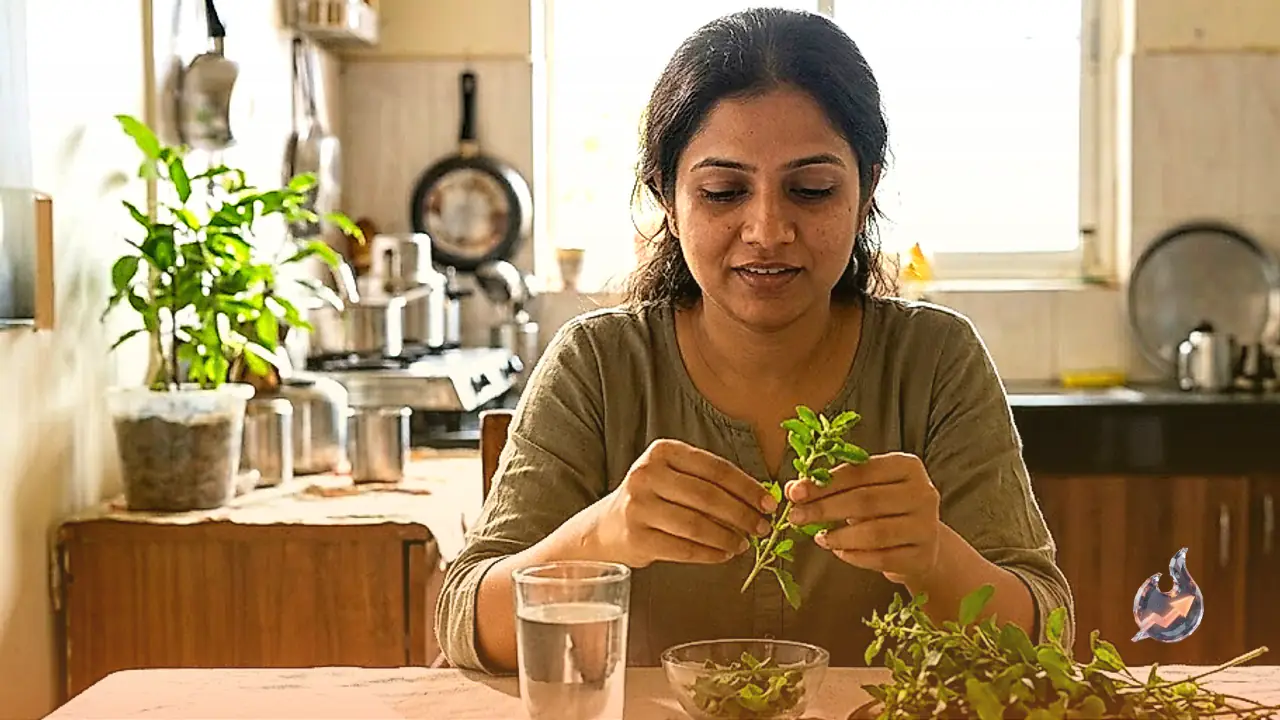

























Malabar spinach, often referred to locally as poi saag, is a unique and highly versatile green vegetable. Although the word spinach is part of its name, it is completely distinct from regular spinach and grows as a vine. Its thick, succulent, and glossy leaves are not only visually appealing but also offer immense health benefits.
A Perfect Choice for Home Decor and Greenery
Due to its trailing and climbing nature, this plant is widely favored for home decoration purposes. People grow it in their gardens, along balcony railings, or up against walls. Its lush green leaves and vibrant purple stems give the exterior of a home a natural and picturesque look, making it a wonderful combination of ornamental beauty and culinary utility.
A Nutritional Powerhouse Superfood
In terms of nutrition, Malabar spinach is considered a superfood. It serves as an excellent plant-based source of vitamin A, vitamin C, iron, calcium, and magnesium. The vitamin C present in it helps the body absorb iron more efficiently, which aids in preventing or overcoming anemia and blood deficiencies.
Promotes a Healthy Digestive System
This leafy vegetable keeps the digestive system functioning smoothly. Malabar spinach contains abundant dietary fiber and a special type of mucilage. These components help cleanse the gut, keep digestion on track, and provide prompt relief from issues like constipation.
Boosts Immunity and Enhances Skin Health
The antioxidants found in this plant are quite effective in strengthening the body's immune system. Elements such as beta-carotene and lutein protect the body against harmful free radicals. Regular consumption imparts a natural glow to the skin and helps slow down the signs of aging.
Ideal for Weight Control and Heart Health
Being low in calories and high in fiber, it is an optimal choice for individuals trying to manage their weight. Eating it keeps the stomach feeling full for a longer duration, preventing frequent hunger pangs. Furthermore, the potassium content helps balance blood pressure levels and supports overall heart health.
Versatile Culinary Uses in the Kitchen
In the kitchen, it is utilized to prepare a variety of delicious dishes. You can use its leaves to make traditional greens, lentils, fritters, dry sabzi, and soups. Unlike regular spinach, its leaves retain their shape and a mildly tender texture even after cooking.
Easy to Grow and Year-Round Yield
It is very easy to cultivate and grows exceptionally fast in hot and humid weather conditions. It can be planted easily either in pots or directly in the ground. With minimal maintenance, this plant continues to provide fresh and nutritious leaves throughout the year, bringing both beauty and health to your home.