




















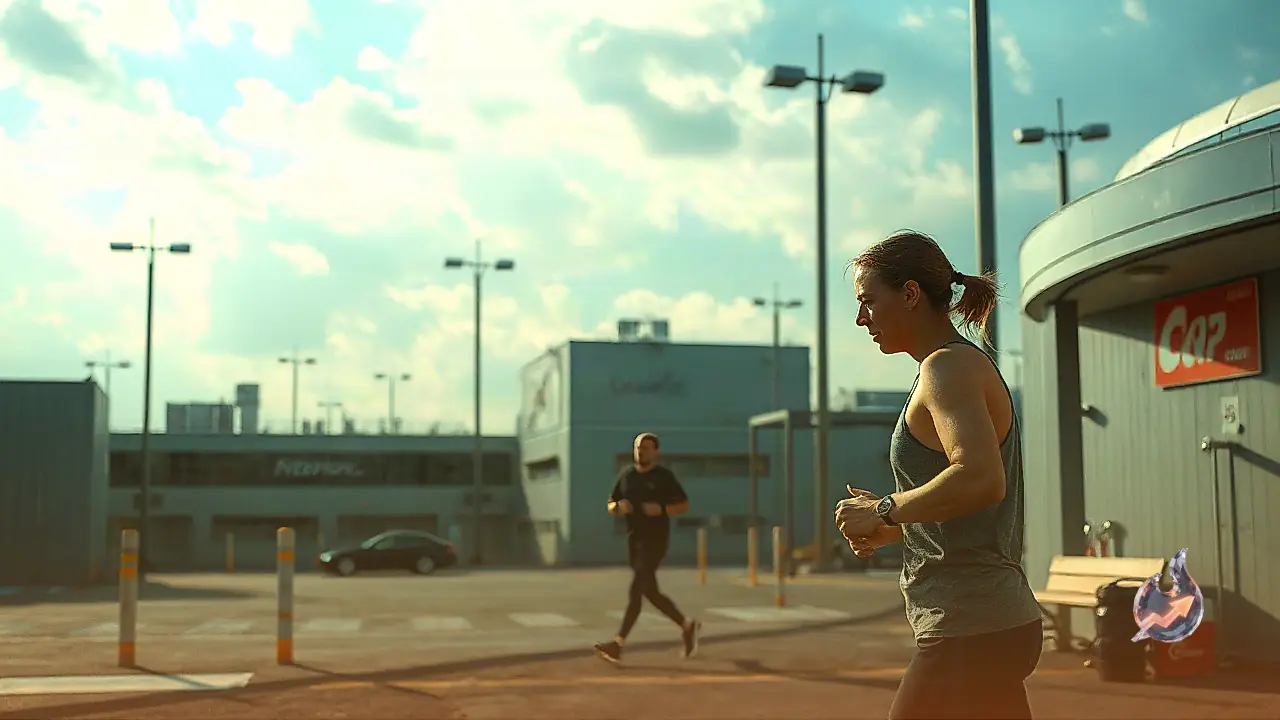

Perspiring during a physical routine is completely normal, but does pouring sweat actually mean you had a better exercise session? Many people believe that the more fluid you lose through your skin, the higher the calorie burn and the faster your body sheds fat. However, in reality, there is no direct correlation between sweating and fat loss. Sweating is fundamentally the body's natural biological process to regulate its internal temperature. Given this fact, the obvious question arises on how to accurately gauge a workout's effectiveness and determine through reliable signs whether your exercise routine is on the right track.
The Science Behind Sweat and Body Temperature
According to a report by the Cleveland Clinic, when we engage in physical exercise, our muscles become much more active and generate internal heat within the body. As the core body temperature rises, the sweat glands become active and trigger perspiration. When the moisture appearing on the skin evaporates into the air, it helps cool the body down effectively. However, not everyone sweats to the same degree. Some individuals begin perspiring with just a little exertion, whereas others experience very little sweat even after a prolonged workout session. Environmental factors, ambient temperature, humidity levels, clothing, body composition, and an individual's natural capacity to sweat all play a significant role in this process.
Does More Sweat Equal Greater Calorie Burn?
That is not necessarily true. The volume of sweat does not indicate the exact number of calories you have burned during your session. Perspiration is primarily released to cool the body down and consists mostly of water along with a few trace electrolytes. If your body weight drops slightly immediately following a workout, a major reason for this is simply water weight loss through dehydration. It does not mean an equivalent amount of body fat has vanished. Once you drink water and replenish your bodily fluids, your weight returns to its normal baseline.
How to Identify a Genuinely Effective Workout
The overall effectiveness of a physical routine cannot be measured by sweat alone. The specific type of exercise, its duration, intensity, and consistency matter much more in the long run. Furthermore, noticeable improvements over time in your physical strength, endurance, and overall capacity serve as much better indicators of progress. For instance, if after a few weeks of consistent training you are able to walk or run for longer periods than before, find it easier to climb stairs, or notice that the exact same workout feels noticeably easier, it is a clear sign that your fitness levels are improving.
Is a Workout Useless If You Sweat Less?
Absolutely not. If you are exercising in a cool room or your body naturally produces less perspiration, you may sweat very little during a session. This does not imply that your workout yielded no benefits whatsoever. Similarly, deliberately wearing heavy warm clothing or exercising in excessively hot environments solely to force more sweat out of your body is an incorrect and risky approach. Such practices can lead to severe dehydration, electrolyte imbalances, and an increased risk of heat-related illnesses.
Important Precautions When You Sweat Heavily
Make sure to keep drinking water throughout your workout, especially when exercising in hot weather or during extended physical routines. If heavy sweating is accompanied by dizziness, headaches, extreme weakness, nausea, confusion, or a feeling of fainting, you should stop exercising immediately and take steps to cool your body down. Such physical warning signs must never be ignored.