













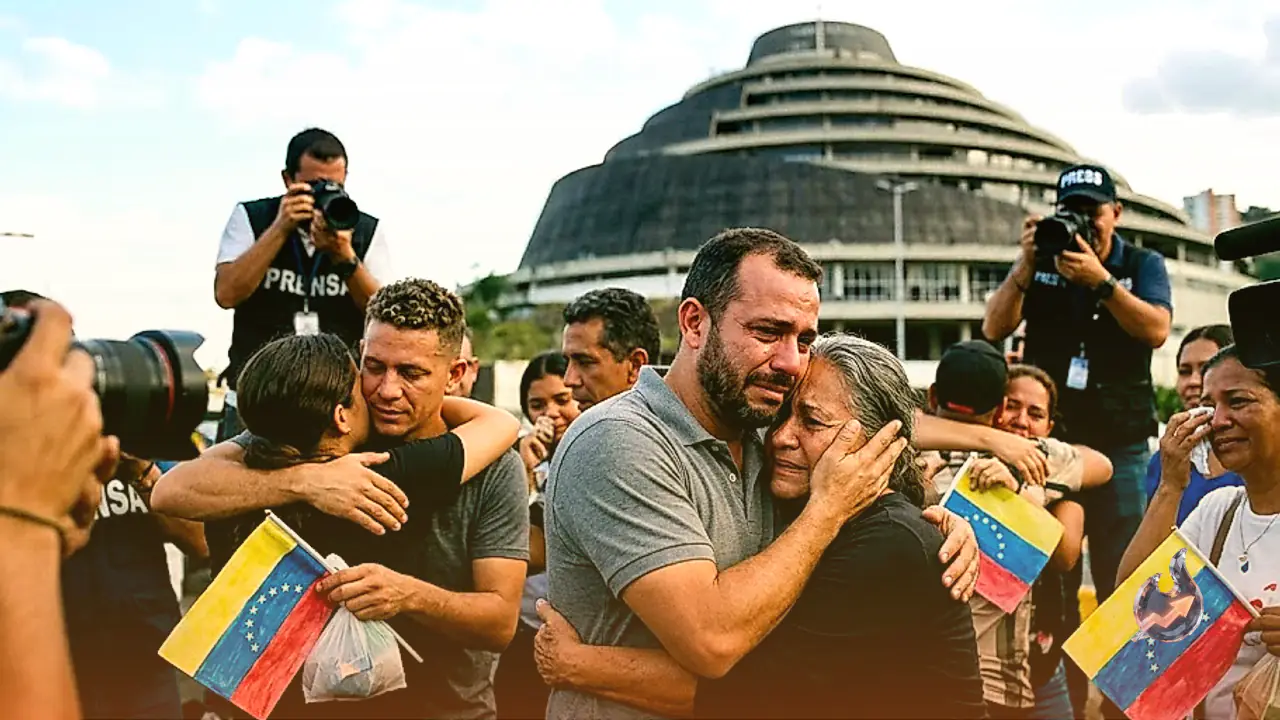

Venezuelan authorities have released a wave of political prisoners from various detention facilities across the country, according to human rights groups. The development follows closely on the heels of a high-profile meeting in New York between the nation's interim leader and US President Donald Trump.
Notable Detainees Freed from Custody
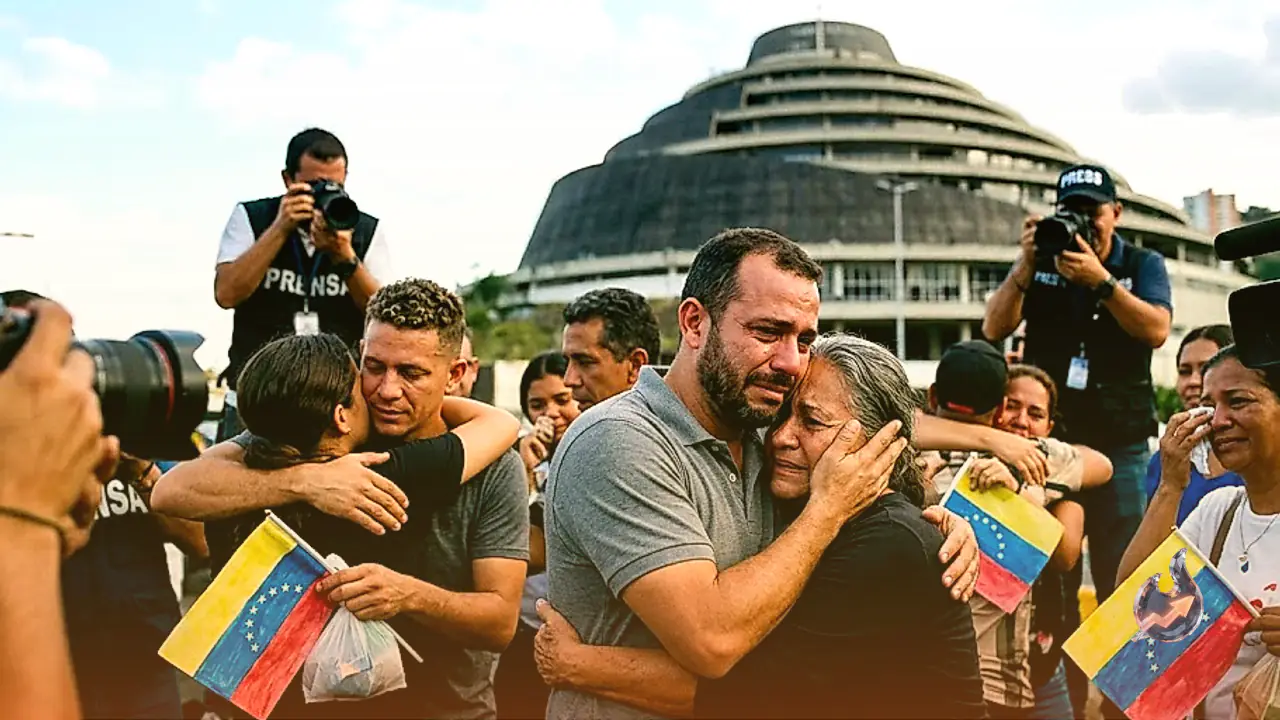
Among those released during the early hours of Saturday morning was Wilder Vasquez, who had been serving a five-year prison sentence handed down in 2018 over accusations that he was involved in a plot to assassinate former President Nicolás Maduro. Human rights organization Foro Penal also verified the liberation of Miguel Castillo Cedeño, noting that he had been subjected to arbitrary detention since June 2019. Another prominent individual freed was Frank Cabañas, whom rights monitors state had spent nine years behind bars after being associated with the death of a police officer. Foro Penal highlighted that Cabañas was the last remaining suspect held in connection with that specific case, despite his family raising serious concerns about his deteriorating health conditions last year.
Diplomatic Engagement and Past Releases
Interim President Delcy Rodriguez held official talks with Donald Trump at the UN General Assembly on Tuesday, following the seizure of Maduro earlier this year. This high-level encounter has prompted opposition figures to intensify demands for transparent and free elections. During the initial phase of her administration, Rodriguez's government released hundreds of detainees as part of a broader reconciliation initiative following Maduro's removal. However, these liberation efforts slowed down significantly by April, with Rodriguez declaring that the initiative was drawing to a close. As of now, the Venezuelan government has not issued any formal statement regarding the latest batch of releases, nor has it clarified whether the decision stemmed directly from her discussions with the American president.
Scrutiny from Rights Groups and Opposition
Gonzalo Himiob, vice-president of the human rights advocacy group Foro Penal, confirmed that a substantial number of political prisoners were liberated on Saturday morning from multiple detention centers. Opposition leaders and rights monitors have long maintained that the administration of Maduro utilized the imprisonment of dissidents to suppress political opposition and silence critics entirely. Rodriguez has attempted to position her interim administration as more tolerant of political dissent while simultaneously seeking favor with Washington. The prisoner release framework served as a principal concession offered by her government to the United States. Nonetheless, her choice to terminate the program drew sharp criticism from human rights advocates, who pointed out that the scheme was halted before even half of the nation's political detainees had been freed. Meanwhile, the government continues to deny the existence of political prisoners, framing the recent releases purely as gestures of goodwill and national reconciliation.
Reactions to the Washington Alliance
Venezuelan Interior Minister Diosdado Cabello, a high-ranking official closely linked to the authoritarian rule of Maduro, praised the interim president's encounter with Trump, labeling it a remarkable triumph for peaceful diplomacy. Conversely, opposition figures voiced strong disapproval, interpreting the meeting as a direct dismissal of their longstanding appeals for prompt elections, which the US had previously supported. Pedro Mario Burelli, a former executive at the state oil company and an outspoken opposition commentator, sharply criticized the interaction. Venezuela's previous presidential election, held in 2024, saw Maduro declared the victor amidst widespread allegations of electoral fraud, with opposition tally sheets indicating their candidate had secured a massive share of the vote after Maria Corina Machado was barred from participating. Despite these contested results, the Trump administration chose to back Rodriguez as successor rather than Machado after Maduro was detained and faced drug trafficking charges in January. Political analysts at the time interpreted this maneuver as a preference for short-term stability until formal elections could be arranged. Addressing the international community during her UN General Assembly address on Thursday, Rodriguez reaffirmed that elections will eventually take place in Venezuela, though she refrained from providing a definitive timeline.