


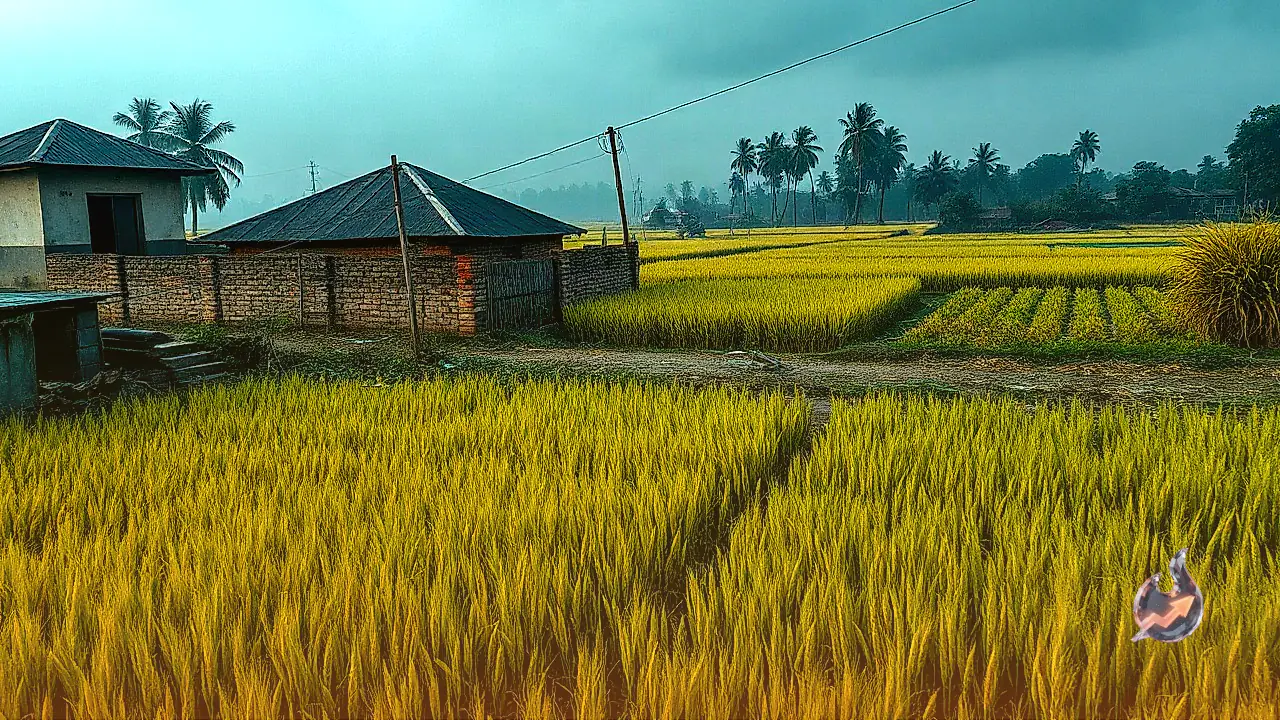

















Despite the widespread availability of various modern designs and footwear brands in today's commercial markets, the traditional leather shoe crafted in Karauli continues to retain a distinct identity rooted in historical craftsmanship. Handcrafted entirely from genuine leather, this footwear stands as a unique testament to the traditional handicraft heritage of the region.
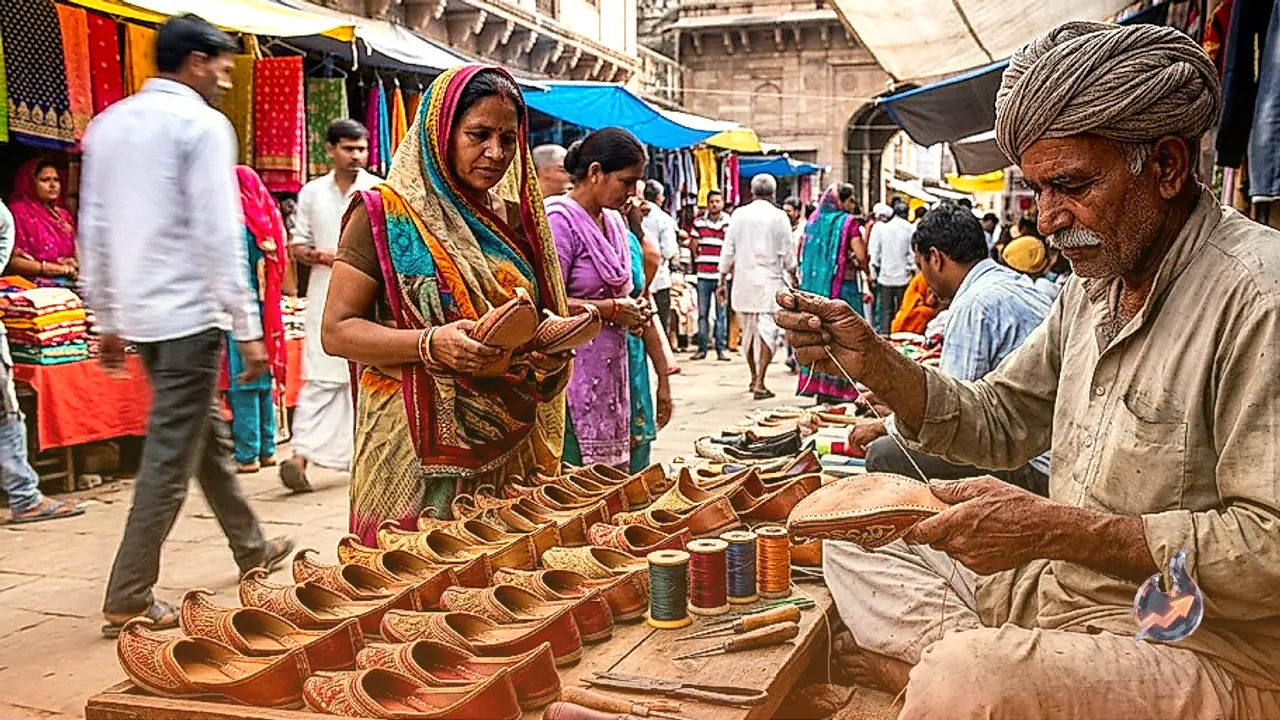
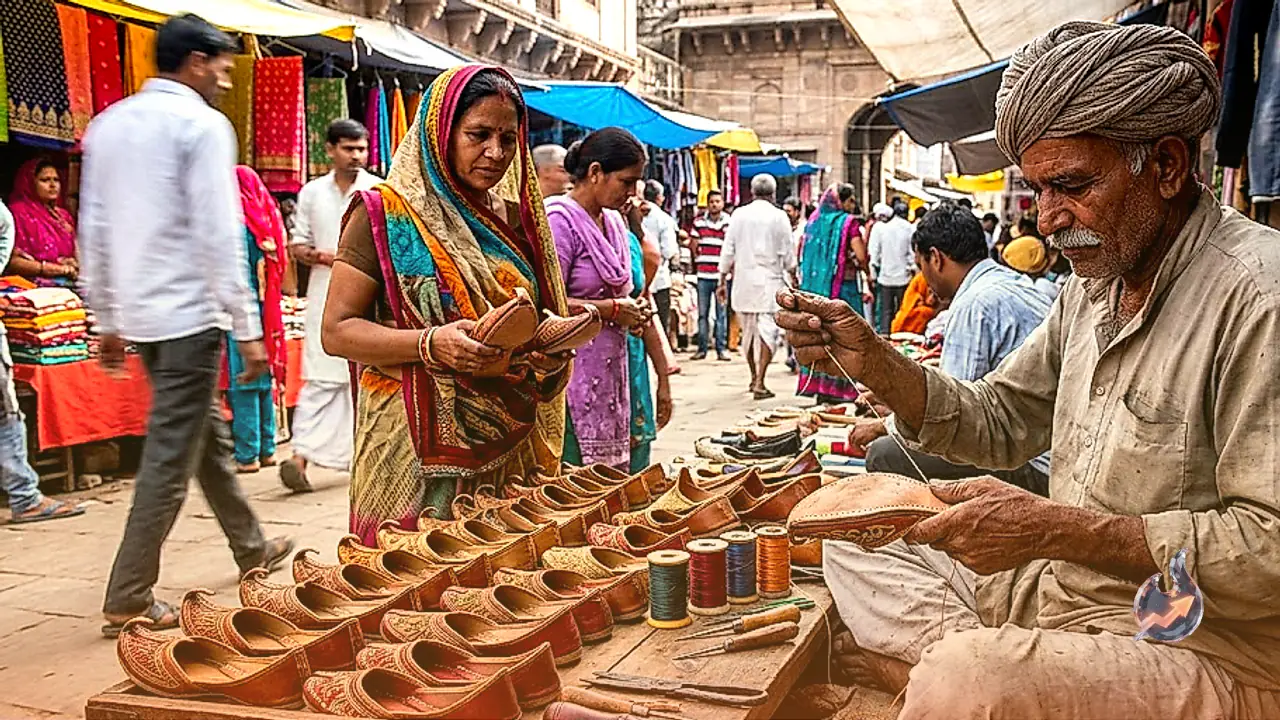
These shoes are not retailed through ordinary commercial outlets; instead, they are exclusively sold at Karauli's traditional weekly market, which convenes every Monday. Consequently, prospective buyers must wait for a single specific day each week to make a purchase. With four Mondays occurring in a standard month, enthusiasts get only four opportunities monthly to acquire them, which contributes to the enduring uniqueness and appeal of this traditional marketplace.
The tradition of wearing these leather shoes in Karauli dates back a long time. In earlier eras, elderly residents and farming communities held them in particularly high regard. Although personal clothing preferences have evolved over time and numerous modern footwear varieties have entered the marketplace, the steady demand for these traditional leather shoes persists.
Artisan Govind Kumar explains that crafting these shoes involves intensive manual labor and traditional techniques rather than heavy machinery. The process begins with selecting high-grade, durable leather, which is subsequently conditioned, shaped appropriately, and assembled entirely by hand. Due to the robust quality of the leather, these shoes offer exceptional longevity and are reported to last for approximately two years even with regular daily use.
Available at the Karauli Monday market, these traditional leather shoes are priced anywhere between 200 rupees and 1000 rupees, depending on the specific design, finish, and quality. Local residents alongside visitors traveling from nearby rural villages frequent the market to purchase them.
This leather footwear provides considerable comfort for the feet and is widely considered practical for prolonged wear in rural environments. Farmers who wear them note that older generations within their families have historically worn similar footwear for decades. This deep-rooted familial connection explains why the traditional shoe retains its relevance among people even amidst contemporary fashion trends.