




















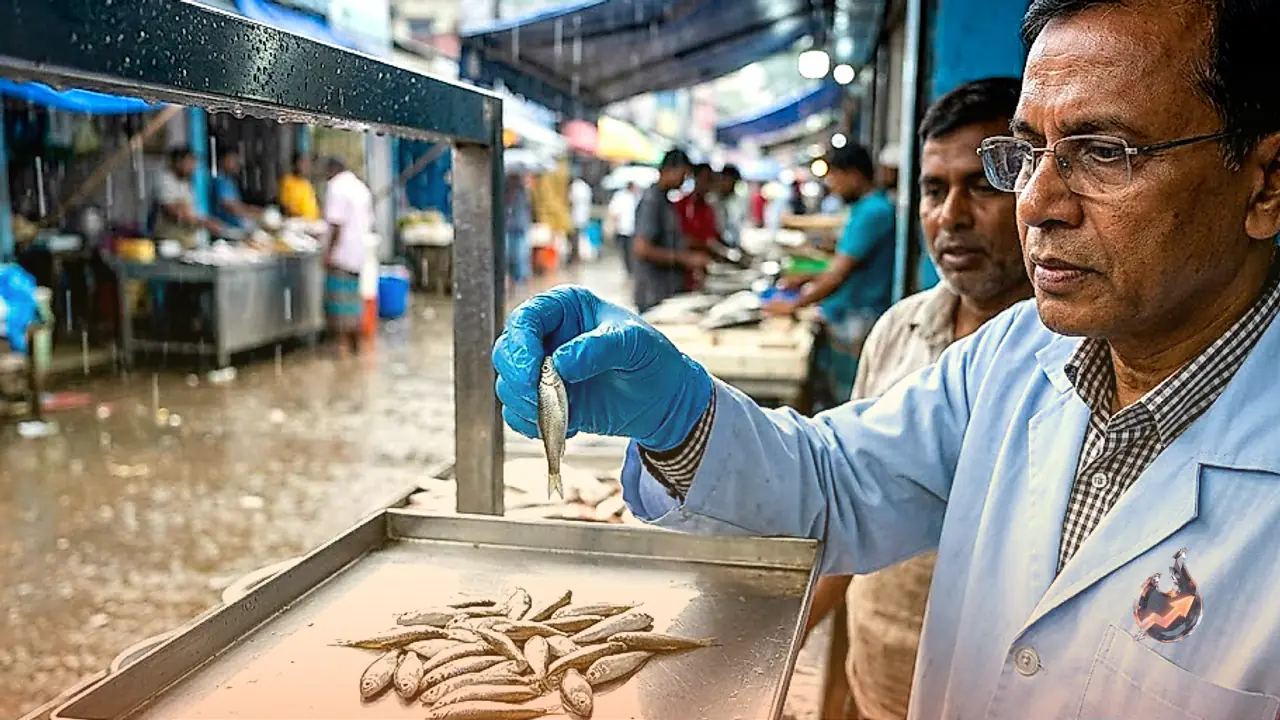

With the arrival of the monsoon season, the joy of indulging in warm, delicious meals significantly increases. While many people enjoy the classic combination of hot tea and crispy fritters, seafood enthusiasts often find themselves craving freshly prepared fish dishes. However, if you are someone who loves eating fish during these rainy months, you must exercise a great deal of caution. Consuming fish that has been stored under improper conditions or remains undercooked during the rainy season can severely impact your health and lead to major digestive complications.
Contaminated Water Sources and the Threat of Bacterial Infection
Providing valuable insight into this matter, AYUSH Medical Officer Dr. Mohammad Iqbal explains that the state of natural water bodies undergoes a massive change during the rainy season. Torrential rains often lead to the contamination of rivers, lakes, and ponds. In such dirty and stagnant water, harmful bacteria and other pathogens multiply at an incredibly rapid pace. When fish are harvested from these polluted sources, they can carry these dangerous micro-organisms. If such fish are not cleaned thoroughly and cooked completely before consumption, they can trigger acute stomach infections, vomiting, severe diarrhea, and food poisoning.
How the Monsoon Weakens Your Digestive Capacity
According to Dr. Mohammad Iqbal, the human digestive system naturally becomes somewhat sluggish and weak during the monsoon season. Consequently, the stomach struggles to process heavy, greasy, or deeply fried food items. In such a scenario, if a person consumes fish that is either undercooked or has been stored for a long duration, the risk of contracting a gastrointestinal infection escalates dramatically. The compromised digestive system is unable to fight off the pathogens, leading to sudden illness.
Crucial Guidelines for Buying and Preparing Seafood
When purchasing fish from the market, it is essential not to rush. Dr. Mohammad Iqbal advises that buyers must thoroughly inspect the quality of the seafood. If the fish emits a sharp, foul odor, displays unusual discoloration, or does not look fresh, you should completely avoid buying it. It is always wise to make purchases from hygienic and highly trusted vendors. Once you bring the fish home, wash it thoroughly under clean water multiple times, and make sure to cook it all the way through. Consuming raw or undercooked fish can be highly detrimental to your physical well-being.
Vulnerable Individuals Need Extra Protection
The medical officer also emphasized that certain groups of people must be exceptionally careful when eating seafood during the rainy season. Young children, senior citizens, pregnant women, and individuals with weak immune systems are highly susceptible to foodborne illnesses. If anyone in these categories, or any other individual, experiences symptoms like severe abdominal pain, high fever, continuous vomiting, loose motions, or extreme physical weakness after eating fish, they should never ignore these signs. Immediate medical consultation from a qualified doctor is highly recommended.
Enjoy Nutritious Seafood Responsibly with Simple Precautions
Lastly, Dr. Iqbal pointed out that eating fish is inherently very beneficial for human health. It serves as an excellent source of premium proteins and various essential nutrients required by the body. The health hazards during the monsoon do not mean you have to give up fish entirely. By simply ensuring that the seafood you purchase is fresh, cleaned with absolute hygiene, and cooked thoroughly, you can safely enjoy your favorite fish dishes even in the middle of the monsoon season.