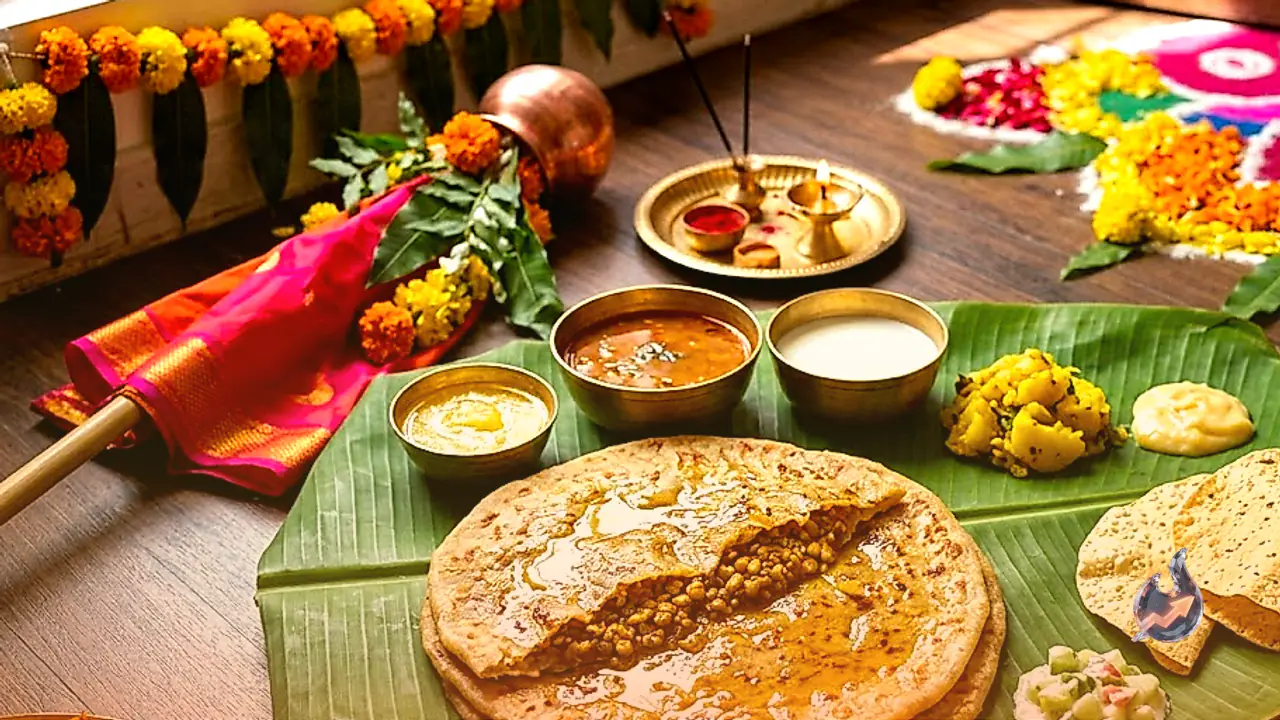
























The festival of Rakshabandhan has concluded, but the impact of the sweets consumed during the celebrations is now beginning to manifest on people's health. During festivals, visiting the homes of relatives and friends to indulge in sweets and being unable to refuse treats offered to many is a common occurrence. Numerous individuals consumed more sweets than necessary during this period, while some also thoroughly enjoyed colorful confections. Now, in the aftermath of the festivities, several people are arriving at hospitals with complaints of throat phlegm, cough, sore throat, chest heaviness, and mucus.
Surge in Throat and Phlegm Complaints at Ambala Hospital
Notably, patients experiencing throat and phlegm-related ailments are currently visiting the Ayurvedic OPD at the Ambala Cantonment Civil Hospital. However, doctors note that sweets are not the sole trigger for these symptoms; changing weather and viral infections can also aggravate throat and respiratory issues. Nonetheless, consuming excessive sweets, particularly colored varieties, during festive times can intensify throat irritation in certain individuals.
Colored Sweets Can Cause Throat Irritation
Dr. Jitendra Verma, an Ayurvedic physician at the Ambala Cantonment Civil Hospital, shared in an interaction that sweet consumption rises significantly during festivals compared to regular days. Eating excessive sweets can impact the body in various ways. Specifically, after consuming colored sweets, some individuals may first experience throat irritation. He explained that a burning sensation or sore throat can be accompanied by phlegm and coughing. Some people may also feel chest heaviness or mucus accumulation. Under such circumstances, individuals should not ignore these signs and must seek medical guidance according to their condition.
Recommendations for Warm Water in Cough and Sore Throat
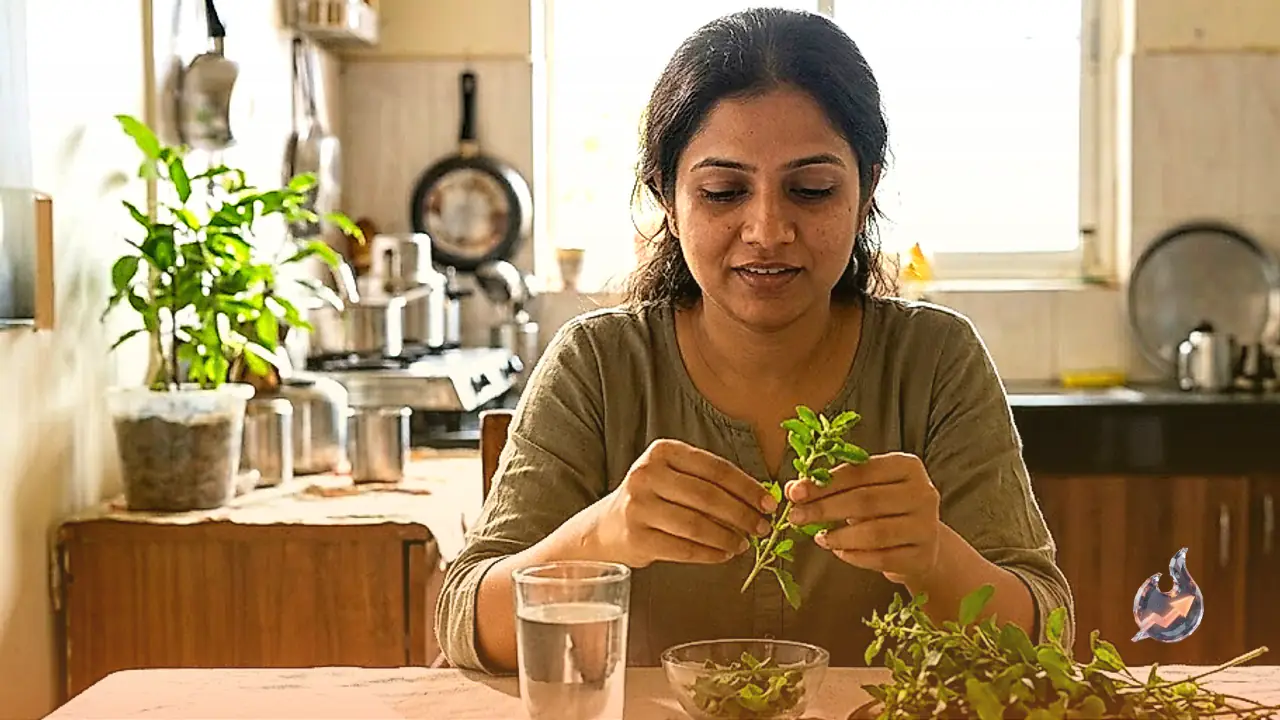
According to Dr. Jitendra Verma, if someone experiences phlegm, sore throat, or irritation after eating festive sweets, the intake of warm water should be increased first. He stated that tea or coffee drinkers can incorporate ginger into their beverages. He also suggested chewing small amounts of ginger and black pepper, noting that Ayurveda considers them useful for throat and phlegm-related troubles.
Ayurvedic Remedies Mentioned by the Doctor
Furthermore, the doctor explained that Ayurveda utilizes remedies such as Kaf Kuthar Ras, Khadiradi Vati, Sitopaladi Chूर्ण, and Talisadi Chूर्ण for phlegm and throat-related disorders. However, these remedies should only be consumed after consulting a physician.
Strict Caution for Diabetes Patients
He noted that festive sweets pose the highest risk for diabetes patients. Sugar patients should avoid consuming sweets because eating excess sugar can rapidly elevate blood sugar levels. Dietary control and strong willpower are essential for such patients.
Consult Before Trying Home Remedies in Diabetes
Dr. Verma also mentioned Ayurvedic remedies including amla and turmeric powder. Additionally, he referred to soaking fenugreek seeds overnight and drinking the water in the morning, along with items like neem, bitter gourd (karela), and jamun seed powder. However, diabetes patients must consult a doctor before starting any home or Ayurvedic remedy and should never discontinue their ongoing medications without medical advice.
Not Every Cough Is a Side Effect of Sweets
He stated that it is incorrect to assume every instance of throat phlegm or coughing is a side effect of sweets. Viral infections and allergies during this season can also cause such problems.
Immediate Examination Needed for High Fever and Breathing Difficulty
If a cough is continuously worsening, accompanied by high fever, breathing difficulty, chest pain, or severe congestion, immediate medical examination should be sought. In short, enjoying the sweetness of festivals is not wrong, but paying attention to the quantity and quality of sweets is vital. Avoiding colored sweets and excessive sugar in particular will be better for health during this season.