




















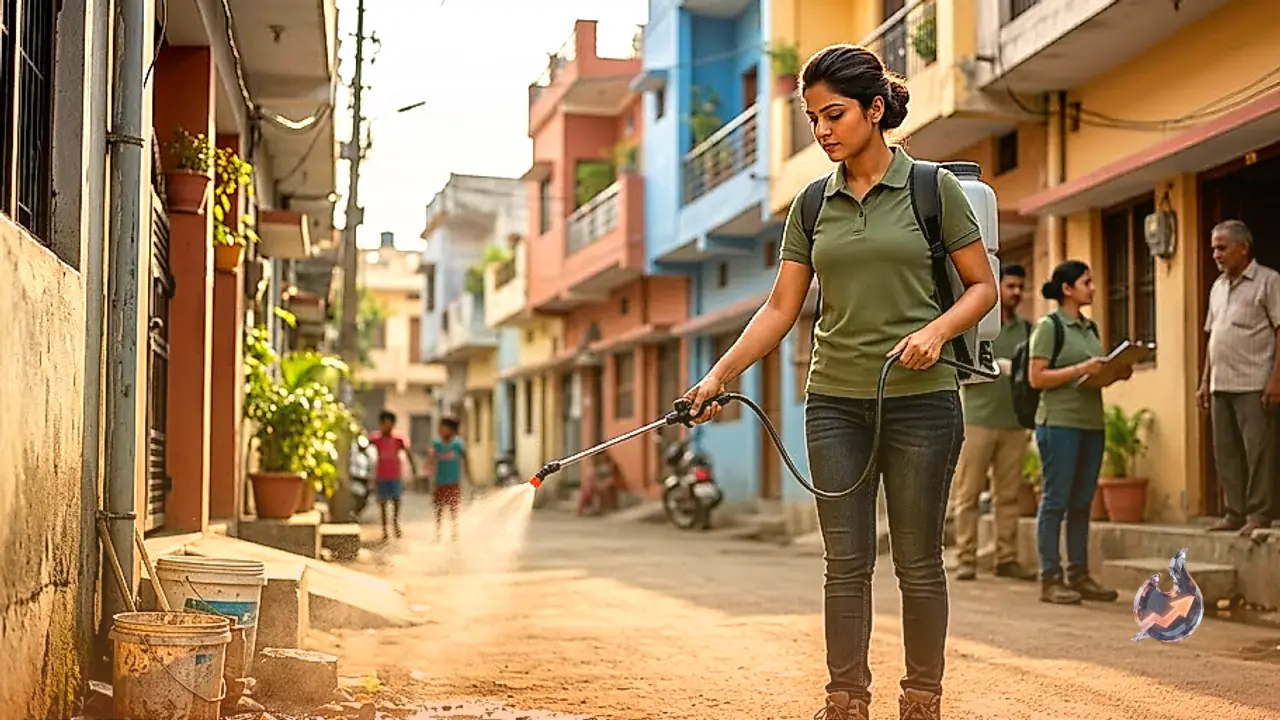

With the onset of the monsoon season, health authorities in Khargone district of Madhya Pradesh have escalated preventive operations following the detection of two fresh dengue cases. The positive cases were identified in the urban localities of Kunda Nagar and Anand Nagar, prompting municipal and medical teams to launch targeted anti-larval measures. Field workers have initiated intensive fogging, routine inspections, and the immediate destruction of mosquito breeding grounds across the vulnerable neighborhoods. Health officials have issued a general advisory urging residents to stay vigilant and seek immediate laboratory diagnosis upon experiencing febrile symptoms.
Over 7,500 Mosquito Breeding Spots Neutralized in Extensive Survey
To curb the spread of vector-borne infections, a comprehensive door-to-door monitoring drive has been underway across the region. District Malaria Officer Dr. Manoj Patidar stated that healthcare teams have inspected approximately 1,90,000 residential premises since January. During these field door-to-door checks, inspectors identified breeding sites of the disease-carrying Aedes mosquito at nearly 7,500 locations, eliminating the larvae on the spot. In addition, blood tests conducted on about 500 suspected individuals yielded negative results, while confirmed dengue infections stand at 19 cases in the district so far this year.
Critical Symptoms Requiring Immediate Medical Attention
Medical experts emphasize that early clinical evaluation is essential to manage dengue effectively and avoid complications. The viral illness typically presents with a sudden high fever accompanied by discomfort or pain behind the eyes. Patients frequently experience debilitating pain across joints, the lower back, abdomen, muscles, and bones. Additional warning signs include severe chills, acute fatigue, loss of appetite, persistent nausea or vomiting, and intense headaches. Dermatological manifestations such as red skin rashes, spots, or scratch-like marks on the body are also prominent indicators. Authorities advise against self-medication and urge individuals displaying these signs to report to healthcare facilities promptly.
Weekly Dry Day Guidelines and Personal Preventive Measures
To disrupt the reproductive cycle of mosquitoes, the health department has advised citizens to observe a weekly 'Dry Day' routine. On this dedicated day, households should empty, scrub, and thoroughly dry all stored water containers, air coolers, overhead tanks, buckets, and flower pots. Dr. Manoj Patidar highlighted that dengue transmission occurs exclusively through the bite of an infected female Aedes mosquito, which thrives in stagnant clean water. Preventive recommendations include keeping all water storage tanks tightly covered, replacing cooler water at regular intervals, wearing full-sleeved attire, and using mosquito nets along with topical repellents.
Five-Year Epidemiological Trends in the District
Epidemiological data recorded over the past five years indicates that dengue remains a recurring public health concern in Khargone. Historical records show that the district experienced its highest outbreak in 2021, when 320 dengue cases were registered. Transmission dropped sharply in 2022 with 24 recorded cases, before rising to 53 in 2023. The trend showed a further increase in 2024 with 98 cases, followed by 96 confirmed infections in 2025. With 19 cases recorded so far in 2026, health authorities stress that strict community compliance with preventive guidelines is vital to prevent another seasonal surge.