






















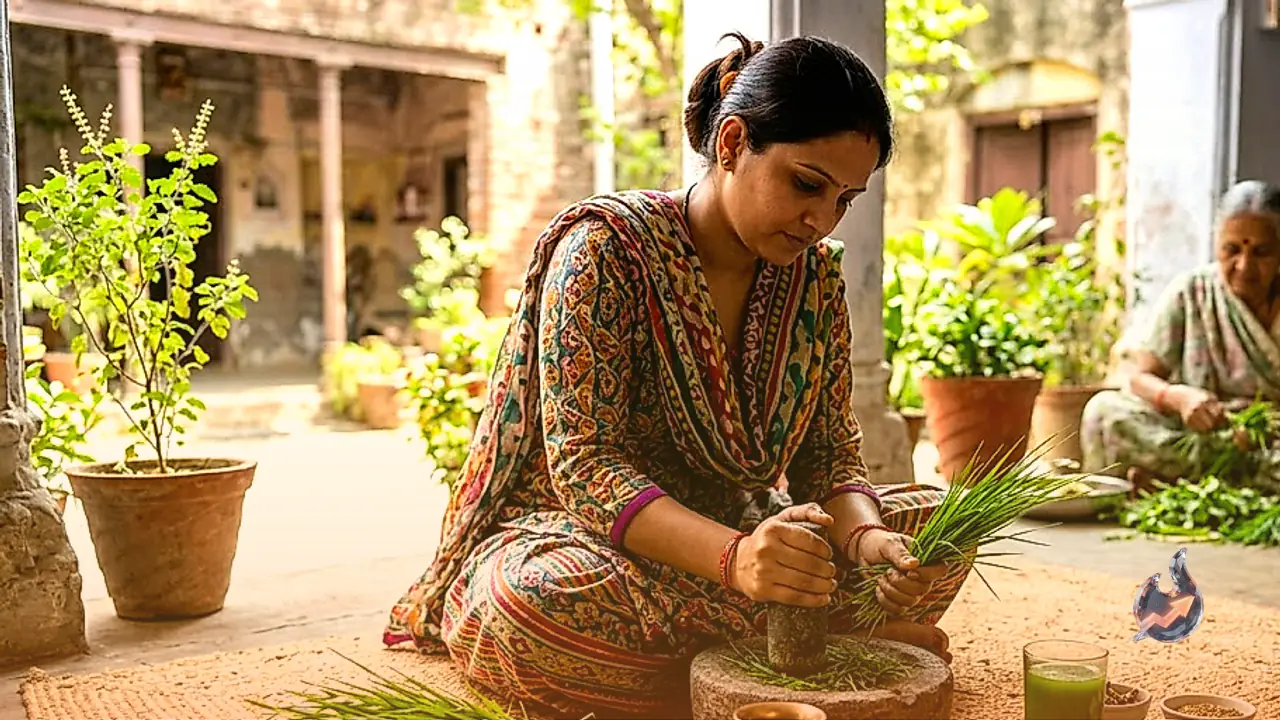

Often seen growing abundantly in yards and fields, ordinary green grass known as Dub holds a surprising array of hidden benefits. Its medicinal properties and traditional value make it far more than just wild vegetation. From wedding ceremonies to daily worship, this plant has maintained an important place in cultural practices for centuries.
Significance in rituals and traditions
Historians note that Durva is among the sturdiest plant species on earth and serves purposes far beyond religious functions. It holds a primary place in worship offerings for Lord Ganesh and remains essential across various cultural sacraments and matrimonial rites. The underlying health benefits embedded within the plant are precisely what make it uniquely valuable.
Effective for digestive and skin conditions
Durva is traditionally regarded as a reliable remedy for numerous digestive and stomach disorders. For individuals dealing with leprosy, applying a mixture of its juice and raw milk can gradually improve the condition. Furthermore, consuming its juice provides relief during heavy menstrual bleeding in women or when dealing with nosebleeds. The anti-inflammatory and antimicrobial agents present in the grass assist in clearing internal toxins.
Purifying blood and healing wounds
This humble vegetation effectively cleanses the blood while strengthening overall bodily immunity. It proves quite useful in overcoming skin ailments and addressing low blood counts. Additionally, walking barefoot on dewdrops over the grass early in the morning helps reduce mental stress and alleviates headaches. In cases of accidental cuts or injuries, grinding the grass and applying it directly stops bleeding immediately.
Consulting an expert
Before consuming the juice of this plant for medicinal purposes, individuals should always seek guidance from a qualified Ayurvedic practitioner to ensure safe usage.