














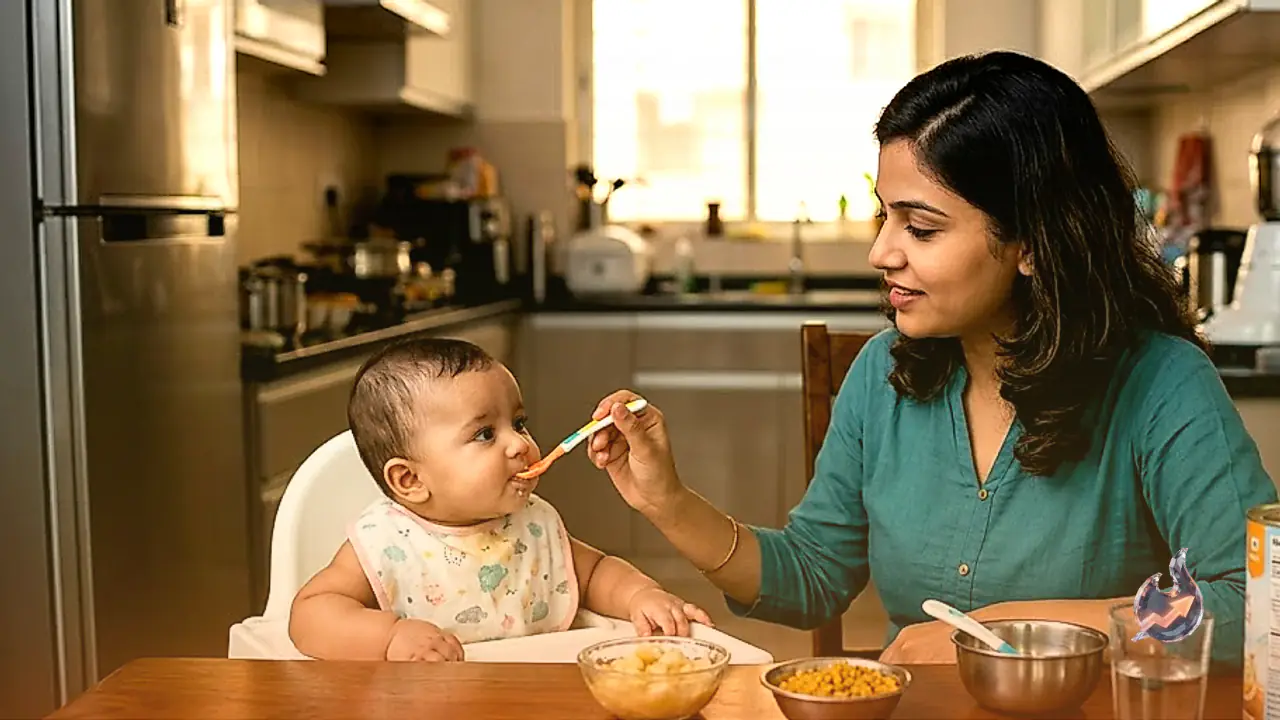

A decisive regulatory push is underway in India to safeguard the nutritional integrity of commercial infant formulas and early childhood nutrition. The Food Safety and Standards Authority of India, commonly known as FSSAI, has introduced a proposal to prohibit the addition of sucrose and fructose to nutritional products formulated for infants up to six months of age. By eliminating unnecessary added sugars during this foundational stage of growth, the food authority intends to foster healthy dietary baselines and curb long-term health risks associated with early sugar exposure.
Draft Regulations Published in Official Gazette
The regulatory overhaul has been set in motion through the draft Food Safety and Standards (Foods for Infant Nutrition) Amendment Regulations, 2026, which was officially published in the Gazette of India on October 16. This amendment is designed to modernize and tighten the existing regulatory apparatus, ensuring that baby nutrition products align strictly with the physiological and nutritional requirements of newborns. Because the first six months of life represent an extraordinarily delicate window of developmental growth, the regulator is establishing heightened scrutiny over commercial formulations marketed for this age bracket.
Transition from the Existing 2020 Norms
At present, commercial baby formulations in the country operate under the Food Safety and Standards (Foods for Infant Nutrition) Regulations, 2020. That framework governs the composition, quality, and safety thresholds of nutritional products catering to infants and toddlers from birth up to 24 months. Under those rules, lactose and glucose polymers have historically been recognized as the preferred carbohydrates for infant nutrition. However, manufacturers were still permitted to blend sucrose and fructose within regulated ceilings if deemed necessary. The new draft amendment specifically removes that leeway, placing an absolute ban on adding sucrose and fructose to products made for infants aged six months and under.
Tackling Childhood Obesity and Dietary Vulnerabilities
Scientific consensus indicates that the first half-year of human life requires precision nutrition without non-essential additives. Introducing free or added sugars to infants can alter metabolic development, foster an unnatural preference for intense sweetness, and substantially escalate the incidence of pediatric obesity. By disallowing fructose and sucrose, the regulator addresses these systemic dietary risk factors at their root. Furthermore, the measure directly reinforces long-standing public health guidelines that advocate for exclusive breastfeeding during the first six months of an infant's life whenever possible.
Sixty-Day Consultation Window Open for Stakeholders
Through these tighter compositional parameters, the regulatory authority seeks to compel baby food manufacturers to reformulate their recipes, anchoring them entirely in preventive nutrition and evidence-based science. The draft notification has entered a mandatory public consultation phase. All concerned stakeholders, including pediatricians, consumer advocacy groups, manufacturers, and citizens, have been given a window of 60 days from the gazette publication date to submit their feedback, comments, and objections. The regulatory body will evaluate all submitted representations thoroughly before enacting the final statutory rules.