




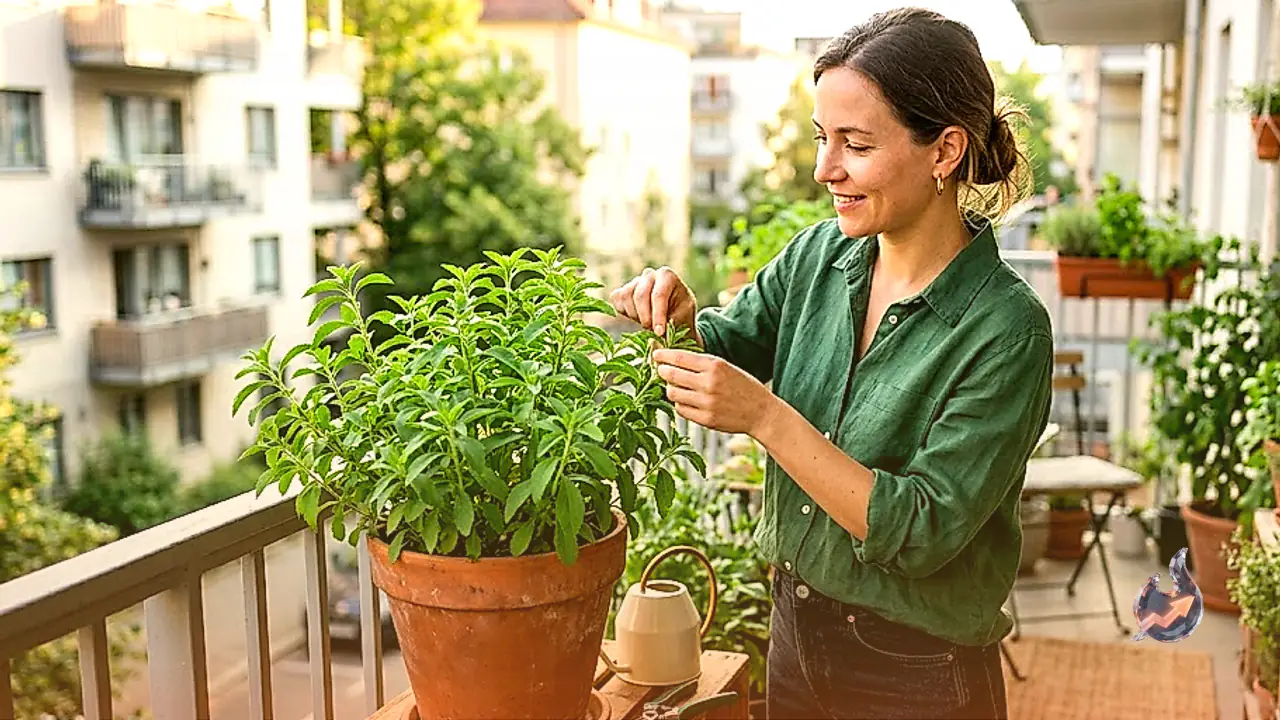














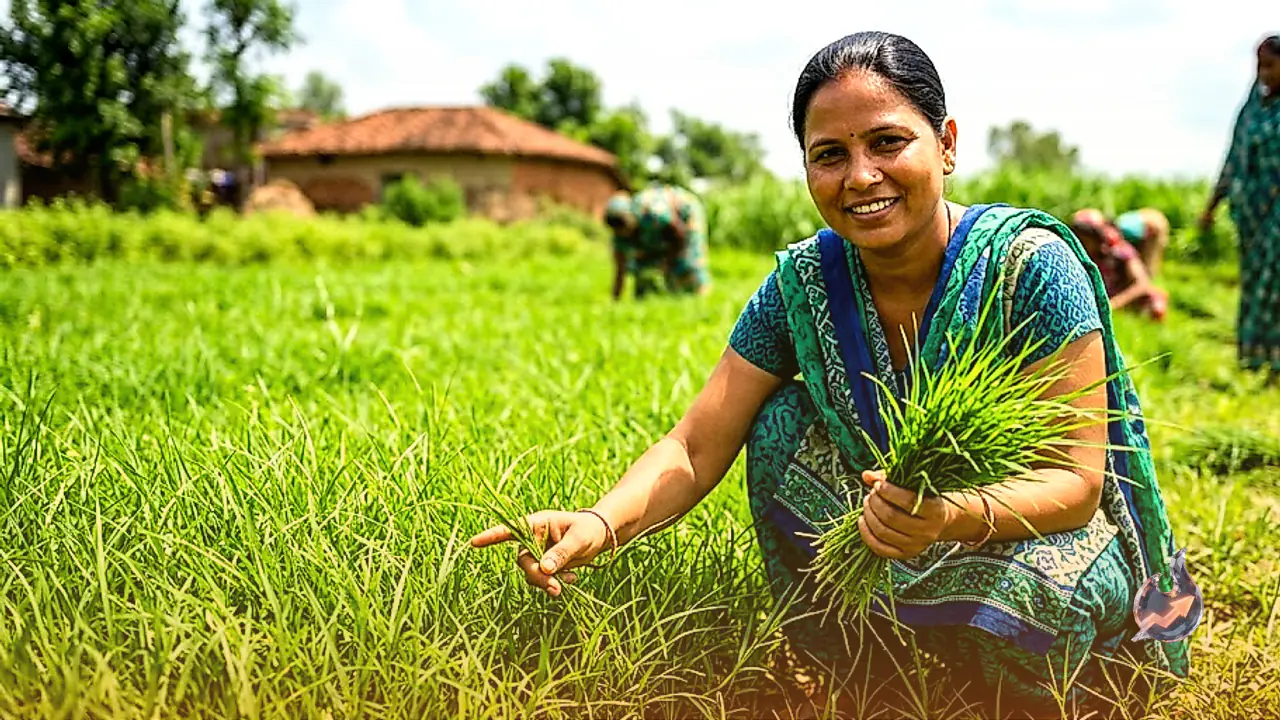

The Terai belt of Lakhimpur Kheri district in Uttar Pradesh is widely known for its rich flora, diverse greenery, and abundance of medicinal plants. Across local fields, residential surroundings, barren lands, and open meadows, numerous plants grow wild without any deliberate cultivation. Residents often mistake these green patches for useless weeds and uproot them to clear the grounds. Yet, through the lens of traditional Indian medicine and Ayurveda, many of these humble plants possess exceptional therapeutic worth. One standout among them is Durva grass, a groundcover celebrated for its deep healing qualities.
In everyday life, people casually view Durva as merely a fast-spreading ground weed. It creeps swiftly over bare soil and revives into lush green foliage at the slightest hint of moisture. This robust growth often leads farmers and gardeners to discard it during weeding. However, classical Ayurvedic practitioners have historically prized this resilient grass for its potent properties in balancing vital body energies.
Cooling Potency Balances Pitta and Kapha Doshas
According to Ayurvedic physician Dr. Richa Srivastava, Durva grass carries an astringent (kashaya) and sweet (madhur) taste profile, paired with a distinctly cooling (sheetal) natural potency. In Ayurvedic philosophy, bodily health depends entirely on maintaining harmony among the three primary functional principles. Durva is traditionally regarded as a formidable botanical for Pacifying elevated Pitta and Kapha doshas. When internal heat rises or fluid imbalances manifest within the system, classical formulations employ Durva across various applications to restore physiological equilibrium.
Calming Skin Irritation, Eczema, and Psoriasis
Dr. Richa Srivastava explains that applying fresh Durva paste or its expressed juice onto the skin is a well-established traditional remedy. It is predominantly used to soothe intense skin inflammation, burning sensations, and persistent itching. Because the botanical carries a cooling intrinsic nature, it provides rapid relief in conditions aggravated by summer heat or cutaneous irritation.
In certain Ayurvedic therapies, Durva paste is blended directly with ground turmeric before topical application. This synergy couples turmeric's established antimicrobial properties with the deep soothing effect of the grass. Dr. Srivastava notes that this traditional remedy has long been utilized to alleviate troublesome dermatological conditions, including eczema, psoriasis, and general allergic itching, offering comfort to compromised skin barriers.
Natural Remedy for Hyperacidity and Digestive Complaints
In modern times, irregular dietary habits, erratic schedules, and constant stress have left a large section of the population dealing with gastric distress, acid reflux, and general indigestion. Ayurveda relies on a wealth of natural botanicals to rebalance gastrointestinal function, and Durva remains one of the notable options. Traditional practitioners recommend the consumption of fresh Durva juice to manage excess stomach acidity and digestive fire. Its cooling nature works to neutralize aggravated heat in the stomach, bringing relief from persistent heartburn and discomfort.
Managing Constipation and Diarrhea with Crucial Safeguards
The therapeutic reach of Durva extends beyond acid control to broader bowel regularity. In Ayurvedic tradition, the plant is valued for stabilizing the digestive tract and addressing conditions such as constipation and loose motions (atisar). However, loose stools and irregular bowel movements can stem from diverse pathological roots.
For mild and occasional digestive disturbances, home care and herbal measures may offer support. Nevertheless, Dr. Srivastava emphasizes the need for caution: if acute diarrhea continues unabated, if severe dehydration develops, or if the patient suffers from high fever or bloody stools, immediate medical consultation is vital rather than relying on domestic remedies.
Walking Barefoot on Dew-Laden Grass for Eye Wellness
Rural communities across India preserve several time-tested lifestyle traditions involving Durva grass. One enduring belief holds that walking barefoot early in the morning on dew-drenched Durva blades revitalizes eyesight and sharpens vision. Dr. Richa Srivastava points out that given the grass's inherently cooling nature, traditional knowledge has consistently linked contact with morning dew-covered blades to relaxed ocular nerves and overall eye well-being.
Alleviating Burning Urination and Heat Exhaustion
Durva also plays a recognized role in managing urinary tract discomforts. Dr. Richa Srivastava highlights that consuming small amounts of Durva juice has traditionally helped alleviate painful burning sensations during urination. During hot weather, inadequate hydration and excessive perspiration often trigger urinary tract irritation. Alongside maintaining adequate fluid intake, the soothing qualities of Durva help calm systemic heat and restore normal urinary comfort.