





















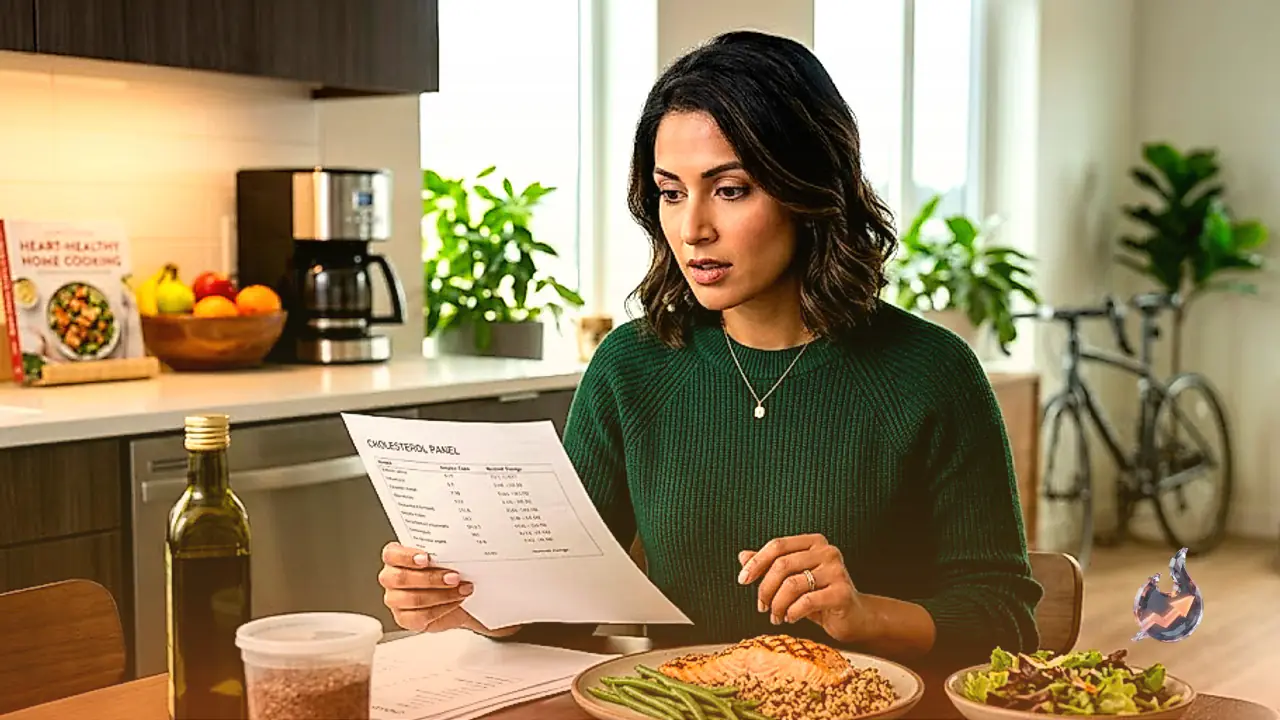

Whenever the issue of rising cholesterol comes up, people immediately tend to blame outside food. Burgers, pizzas, samosas, French fries, and deep-fried items are usually the primary suspects of concern. Driven by this mindset, many individuals assume that eating strictly home-cooked meals completely eliminates the risk of high cholesterol. However, the reality can often be quite different. While home-cooked food is undoubtedly a better choice, consuming it alone is not sufficient. Body weight, physical activity levels, and the quantity of ingredients included in daily meals also significantly influence cholesterol levels.
Understanding Cholesterol and Risks
Cholesterol is frequently misunderstood as entirely harmful to health, whereas the body actually requires a certain amount of it. It is essential for several vital biological processes in the body. The problem arises when the level of bad cholesterol, known as LDL, exceeds required limits in the blood. If LDL remains elevated for a prolonged period, fatty deposits can accumulate along the walls of the arteries. This can restrict normal blood flow and progressively increase the risk of heart disease and stroke over time.
Genetics and Family History
It is not always an improper diet or poor lifestyle that drives up cholesterol levels. Genetic factors also play a critical role in some individuals. If there is a family history of early heart attacks, strokes, or extremely high cholesterol, it should never be ignored. In certain genetic conditions, the body fails to properly process and clear LDL from the blood. Under such circumstances, a person may struggle with high cholesterol issues despite following a well-balanced diet. Consulting a doctor is essential in these situations.
Mind the Portions in Home Meals
Cooking meals at home is a healthy habit, but the ingredients used and their quantities matter just as much. Ghee, butter, cream, and certain other animal-based foods can be high in saturated fat. Consuming them in excess can contribute directly to raising LDL cholesterol. Therefore, instead of merely reducing the amount of cooking oil, it is equally important to examine what type of fat is being used in the food and what the total quantity is.
The Danger of Regular Fried Food
Items like puris, kachoris, pakoras, and other deep-fried foods create a different scenario if consumed only on rare occasions. However, making them a regular part of daily meals increases the risk of weight gain and exerts a negative impact on heart health. This is especially true when physical activity throughout the day is very minimal. Hence, alongside checking whether food is homemade, it is vital to notice how it is prepared and how much of it is actually on your plate.
Incorporating Fiber into the Diet
Managing cholesterol requires more than simply cutting down on oil and ghee. It is equally important to introduce fiber-rich items into your diet. Foods such as fresh fruits, vegetables, whole grains, oats, barley, beans, and lentils serve as much better choices. Having adequate fiber in your diet can actively help lower LDL cholesterol. Conversely, if processed items like refined flour, white bread, biscuits, and packaged foods take the place of vegetables and fruits, the diet cannot be considered balanced.
The Importance of Staying Active
If your meals are entirely homemade but most of your day is spent sitting down, relying solely on diet to control cholesterol can prove difficult. Regular physical activity helps manage body weight while offering extensive benefits for heart health. Depending on personal capacity and health status, brisk walking, cycling, or other forms of physical movement should be integrated into your daily routine.