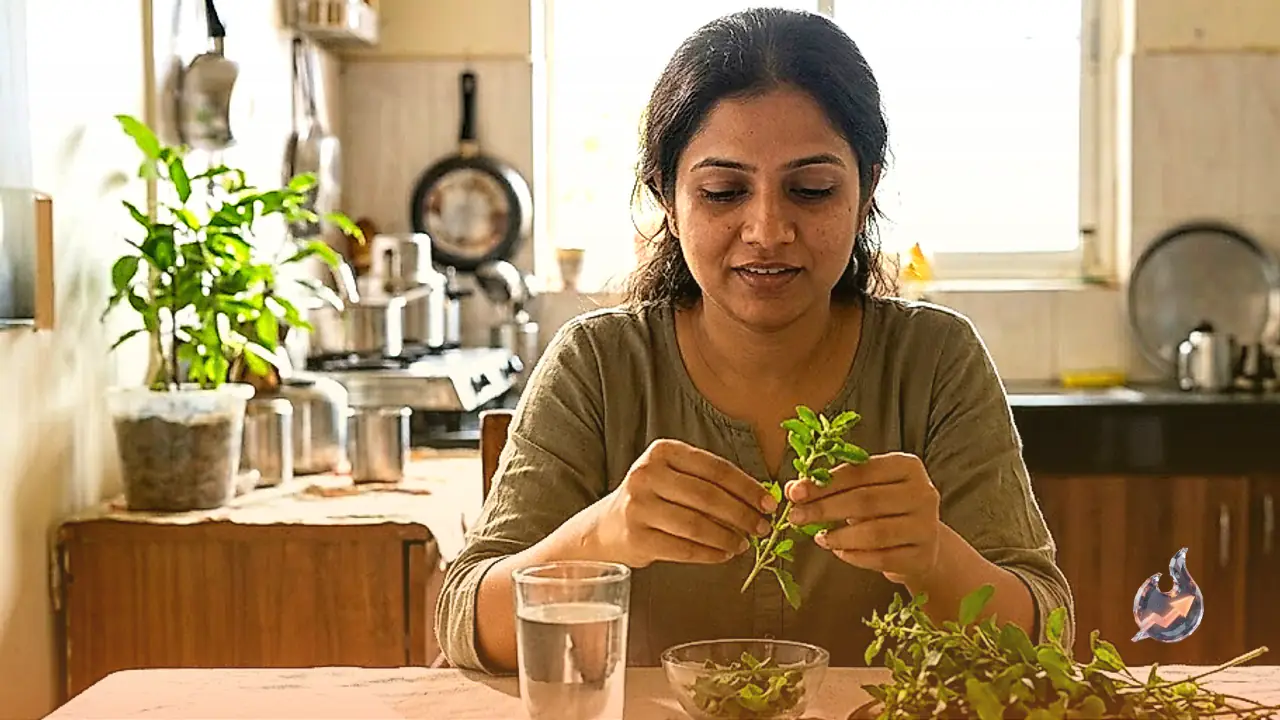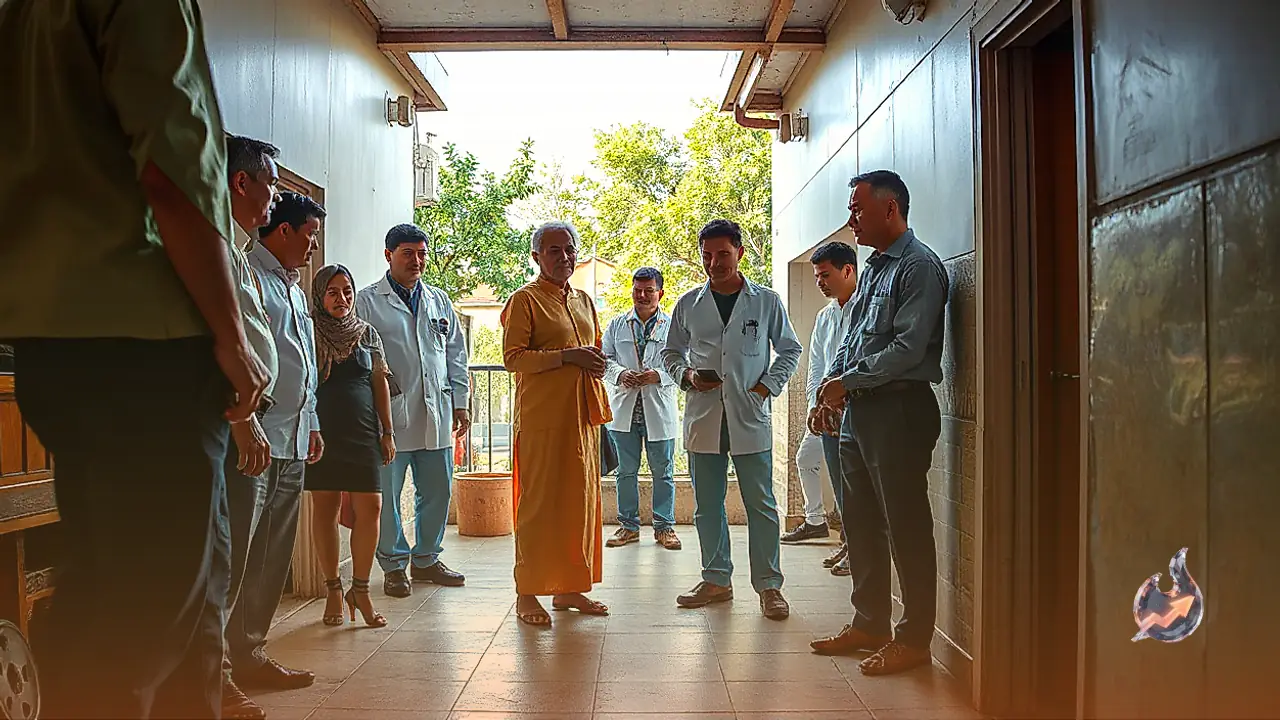





















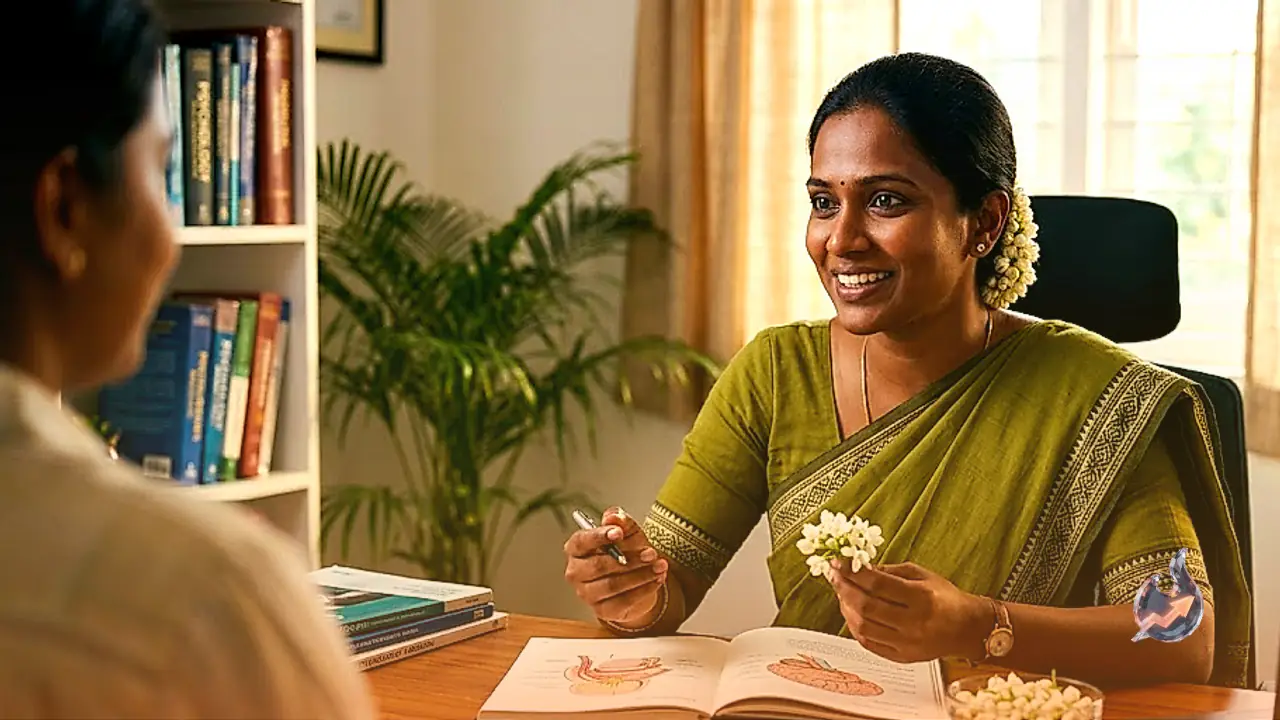

Adorning hair with fragrant gajra made of fresh jasmine and mogra flowers has long been an integral element of Indian cultural tradition. Whether worn during festive celebrations, wedding ceremonies, or traditional gatherings, the soothing aroma of a gajra naturally freshens up the atmosphere. Beyond its aesthetic appeal, this traditional floral accessory is also recognized for its ability to elevate mood and alleviate daily emotional stress. Dr. Shardhi C., Consultant Psychiatrist at Aster CMI Hospital in Bengaluru, explained the psychological and neurological factors behind this phenomenon, shedding light on the scientific connection between natural fragrances and mental well-being.
The Olfactory System: How Floral Aromas Influence the Brain
According to Dr. Shardhi C., when a person inhales the natural scent of mogra or jasmine, the aromatic molecules travel directly through the nasal passage to reach the brain's olfactory system. This specialized neural network is intimately linked to the limbic system, which governs emotions, mood regulation, and deep-seated personal memories. When stimulated by pleasant floral scents, this olfactory mechanism helps diminish stress levels, promoting a state of physical and emotional relaxation.
Scientific research reinforces these observations, indicating that the natural compounds present in jasmine and mogra flowers possess inherent stress-reducing properties. Furthermore, the practice of wearing a gajra in Indian society is deeply intertwined with positive memories of familial warmth, festive joy, and communal celebrations. When an individual wears a gajra, the sensory stimulus triggers these subconscious positive associations, evoking feelings of comfort, belonging, and tranquility that effectively enhance one's overall mood.
Can Gajra Serve as a Cure for Mental Illnesses?
While the sensory experience of wearing a gajra provides a welcoming mood boost, Dr. Shardhi C. emphasizes that it must not be viewed as a definitive treatment or cure for clinical mental health disorders. Wearing a gajra is strictly a sensory activity. While such pleasant sensory input can temporarily relieve daily stress, there is no empirical medical evidence demonstrating that natural floral scents alone can cure clinical depression, anxiety disorders, or panic conditions.
Psychiatric health is multifaceted and influenced by an array of biological and environmental factors, including genetic predisposition, nutritional habits, sleep patterns, physical fitness, interpersonal relationships, and daily environmental stressors. If an individual experiences prolonged sadness, persistent anxiety, panic attacks, or difficulty completing everyday activities, relying on sensory remedies like gajra is insufficient. In such situations, seeking professional guidance from a qualified psychiatrist or licensed therapist is essential.
Evidence-Based Strategies for Maintaining Mental Health
To build long-term psychological resilience and maintain daily emotional equilibrium, Dr. Shardhi C. recommends adopting several evidence-based lifestyle practices
- Restorative Sleep and Regular Exercise: Ensuring 7 to 8 hours of uninterrupted sleep every night is vital for cognitive repair. Complementing sleep with daily physical activity stimulates the release of mood-enhancing neurochemicals.
- Mindfulness and Connection with Nature: Practicing daily meditation or mindfulness routines helps stabilize thoughts. Spending quiet time outdoors in natural green spaces significantly reduces psychological stress.
- Strong Social Connectivity: Maintaining active relationships with family and friends provides vital emotional support. Openly discussing thoughts and challenges with trusted individuals helps ease mental burdens.
- Timely Professional Support: Individuals experiencing ongoing emotional distress should not hesitate to consult a therapist or mental health practitioner for timely clinical intervention.
Integrating Gajra into a Holistic Wellness Routine
If wearing a gajra or experiencing the scent of natural flowers brings joy, calm, and personal comfort, incorporating this traditional practice into your daily wellness routine is entirely beneficial. It serves as a simple, uplifting ritual that can brighten everyday moments. However, it is imperative to recognize that a gajra acts solely as a complementary ritual to enhance personal well-being, and should never replace formal medical treatment for serious mental health conditions.