




















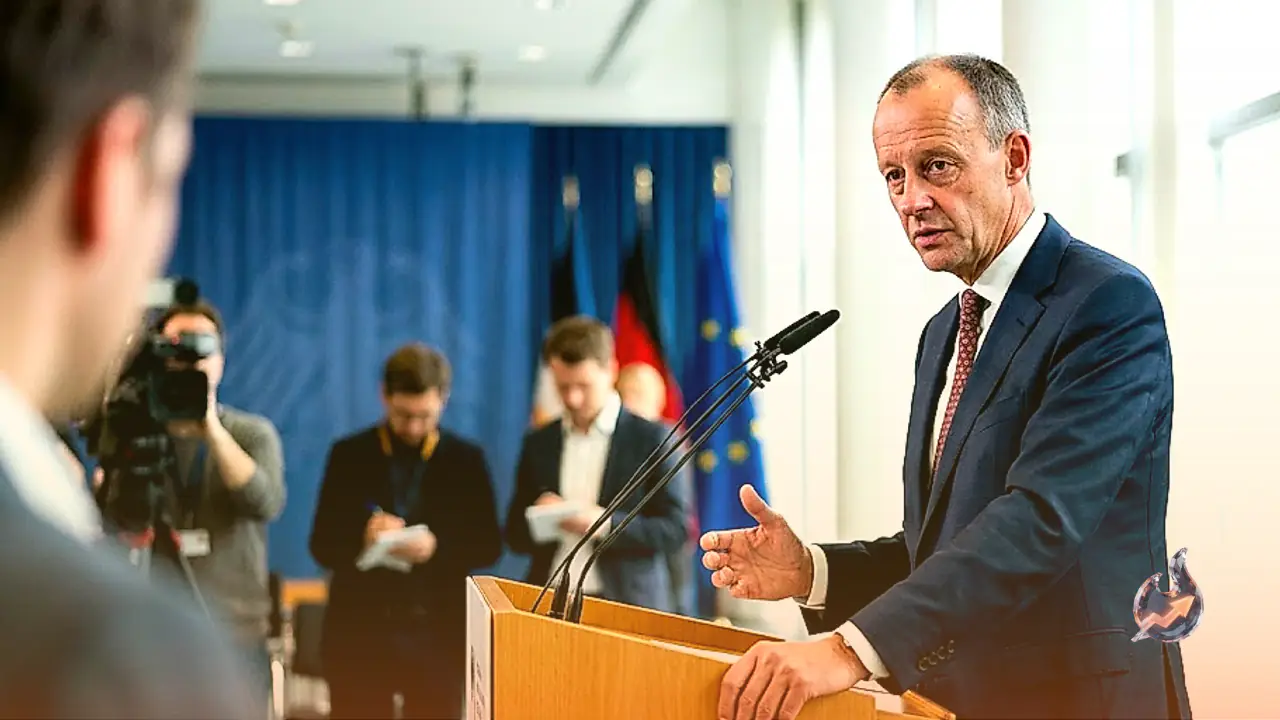

German Chancellor Friedrich Merz has pledged to maintain the integrity of his governing alliance in the wake of sweeping defeats for his party in two state ballots. The unexpected scale of the losses in Mecklenburg-Vorpommern and the capital city of Berlin has unleashed significant political strain on the federal administration. Despite the setback, the chancellor insisted that keeping the coalition functional remains essential for safeguarding the nation's democratic trajectory and managing deep societal transitions.
Coalition Strains Following State Vote Upheaval
Addressing the partnership between his centre-right Christian Democratic Union (CDU) and the Social Democratic Party (SPD), Merz asserted their shared determination to confront the historic challenges currently facing the country. The Sunday elections, however, dealt an acute blow to the standing of the ruling parties. In north-eastern Mecklenburg-Vorpommern, the right-wing Alternative for Germany (AfD) secured the largest share of the ballots, while the CDU failed to cross the threshold required to retain representation in the regional assembly.
The electoral landscape in Berlin delivered an equally difficult outcome for the federal leadership. In the capital, the hard-left Die Linke emerged as the leading force, relegating the CDU to second place, while the AfD recorded notable advancements. The simultaneous decline of the traditional governing forces in two distinct regional arenas has magnified scrutiny over the federal coalition's policy direction and political cohesion.
Chancellor Reflects on Unprecedented Defeat
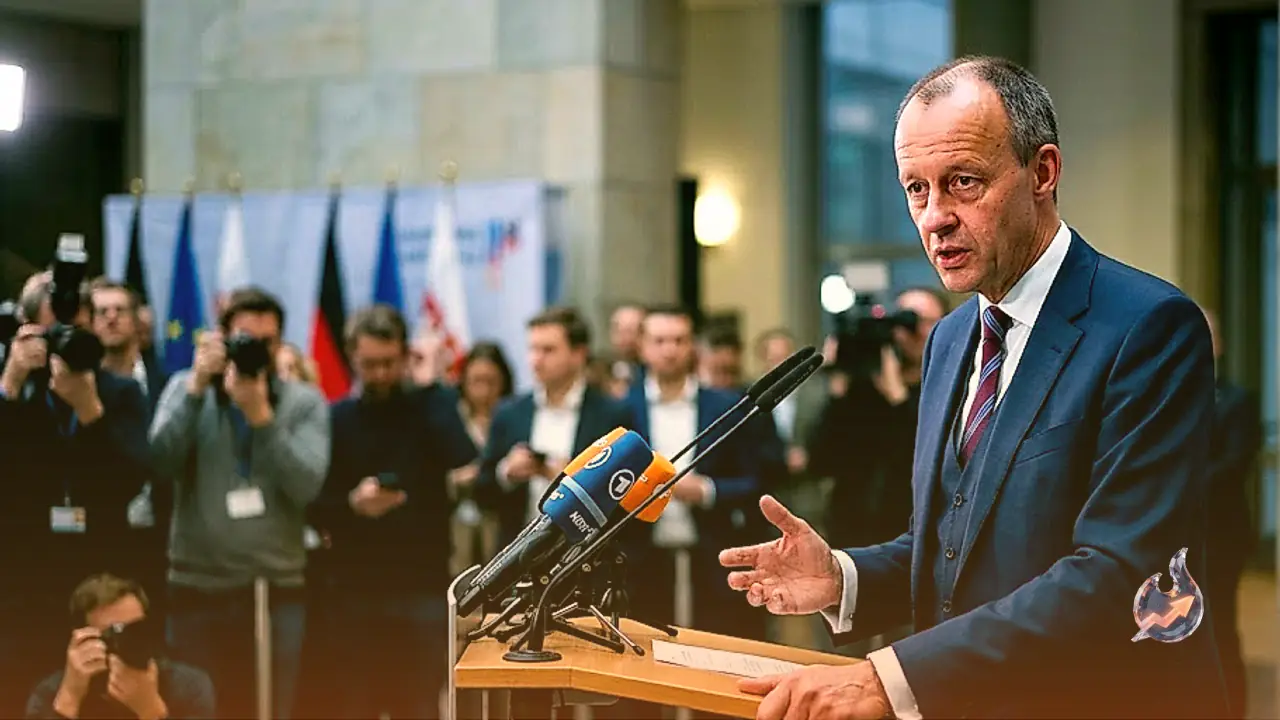
During a press briefing on Monday, Merz characterised the setback in Mecklenburg-Vorpommern as a severe blow to his party. He openly acknowledged that the contest marked a profound turning point and produced a dramatic, unprecedented result for the CDU in modern German history. In that contest, the party fell below the crucial 5% parliamentary threshold, sinking beneath even the most pessimistic projections and prompting the chancellor to call the outcome a disaster.
Addressing questions regarding his leadership and slumping personal approval numbers, Merz stated that no internal discussions regarding his departure had taken place following the vote. He pushed back against arguments attributing the failure solely to his own standing with voters, explaining that while his individual presence was a factor, the roots of the outcome extended far deeper. In his assessment, Germany is undergoing a sweeping transformation of its political landscape, reflecting wider shifts currently unfolding across various nations globally.
Speculation Surrounding Office Tenure and Opposition Reactions
Having served as chancellor for just 16 months, Merz has faced persistent rumours concerning potential mid-term replacement plans, often discussed as a chancellor swap driven by negative public opinion polling. The election results have given fresh momentum to these political debates, though the chancellor himself remains publicly committed to seeing through his mandate with the SPD.
Opposition figures were swift to exploit the governing bloc's vulnerability. AfD co-leader Alice Weidel offered a blunt prediction regarding the chancellor's staying power, asserting that he would soon be forced to leave office. Nevertheless, despite capturing the largest vote share in Mecklenburg-Vorpommern, the AfD remains well short of an absolute legislative majority and faces persistent isolation, as mainstream parties maintain their refusal to enter into government with the group. Domestic intelligence authorities have categorized certain sections of the AfD as right-wing extremist, a label the party firmly rejects.
A Fractured Political Landscape
The AfD has steadily expanded its influence across regions that comprised the former communist east, drawing support through an agenda focused on restricting immigration, prioritising domestic interests under a Germany-first posture, and advocating warmer ties with Russia. Meanwhile, the CDU's reversal in Berlin positions Die Linke to potentially assemble a new governing alliance in the capital. As the political center comes under pressure from both the right and left flanks, Merz faces the daunting task of steadying his coalition while countering the fragmentation of Germany's party system.