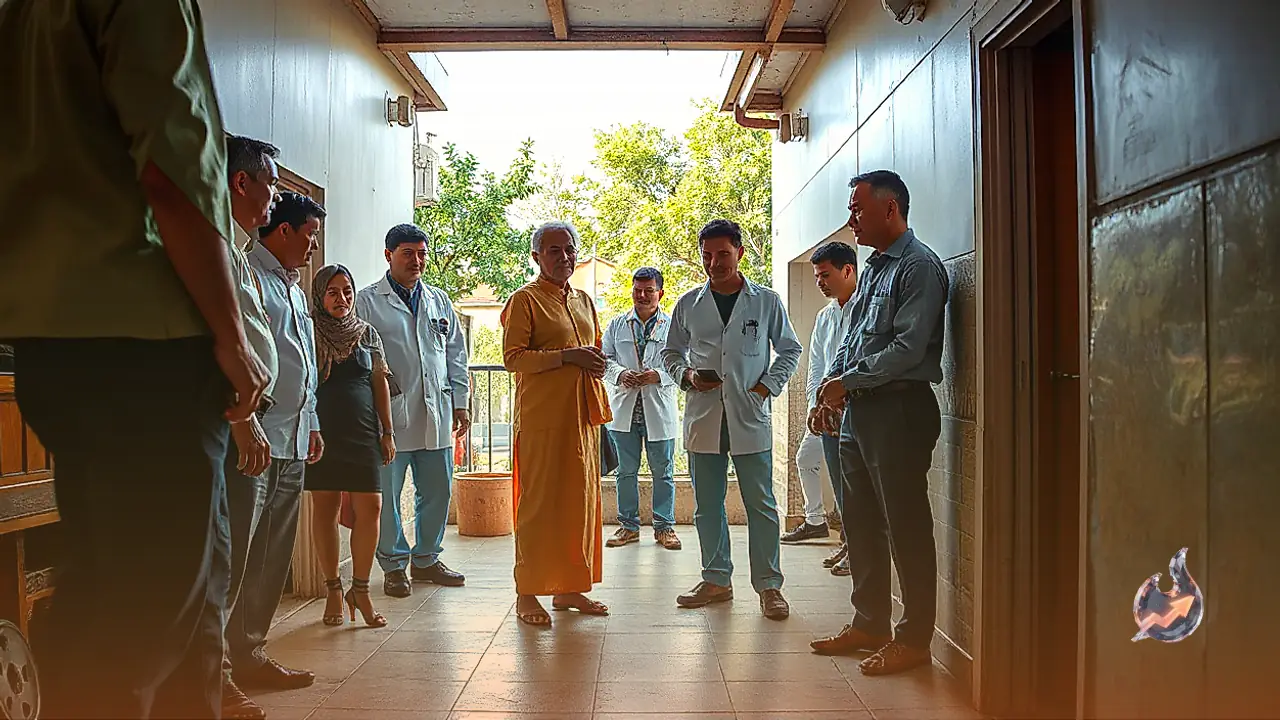



















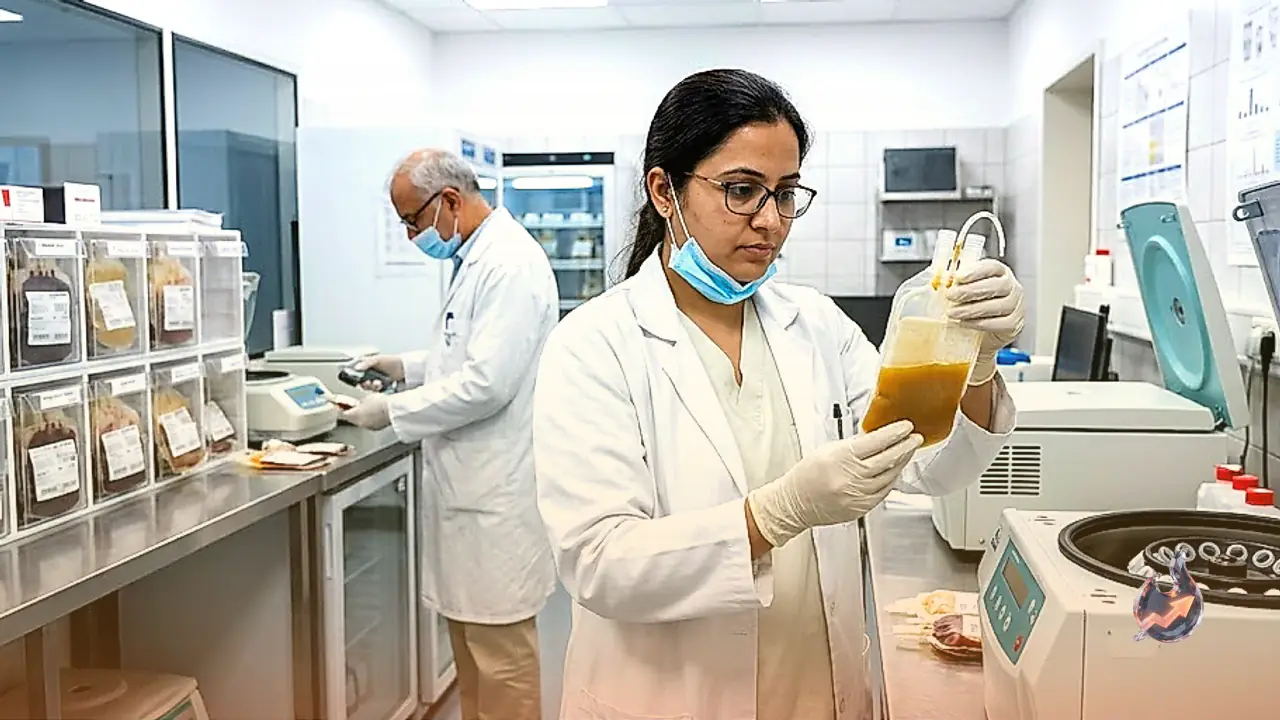

A blood separation unit inside Barmer district hospital has turned into a genuine lifesaver for patients across the district, working like the boon doctors describe it as. Until recently, anyone with dengue or another serious illness who suddenly needed platelets had no option but to rush to hospitals in bigger cities, a journey that could cost precious hours in an emergency. In just two years, the unit has prepared 25,913 blood components, and its advanced machines split a single unit of donated blood into separate parts, so that one donor's blood can now save up to four patients at once.
How the situation changed
The blood component separation unit was set up on the first floor of the district hospital's new teaching building at a cost of about 1.25 crore rupees, and it has changed the picture completely for local patients. Dengue patients hit by a sudden drop in platelets, thalassemia patients who need repeated transfusions, burn victims and women facing complications during childbirth can now get the blood components they need right in Barmer instead of being shifted elsewhere. Private hospitals have also been supplied components during emergencies from the same centre, and this has earned the hospital more than 1 crore rupees so far.
5,741 components made so far this year
So far this year, the district hospital has made 5,741 blood components available to patients. That includes 4,750 units of PRBC, or packed red blood cells, 521 units of RDP, or random donor platelets, and 470 units of FFP, or fresh frozen plasma. According to blood centre in charge Dr Ravi Goyal, the unit follows a scientific process to split a single unit of blood into four separate components, which is what allows one donor's blood to treat four different patients instead of just one.
25,913 components in two years, referral rate near zero
The unit has been running since 7 July 2024, and in that time it has prepared 25,913 blood components in total. Dr Ravi Goyal says patients are now getting three times the benefit compared to before, since every essential blood component is available inside the hospital itself rather than somewhere far away. As a result, the need to refer patients elsewhere for complex operations or serious dengue cases has fallen to almost zero, cutting down both travel time and treatment delays. District hospital superintendent Dr Hanuman Ram Chaudhary says that since the component unit was set up, supplying components to private hospitals during emergencies has brought the blood centre more than 1 crore rupees in revenue, while referral rates for dengue, thalassemia and other serious illnesses have also dropped noticeably.