























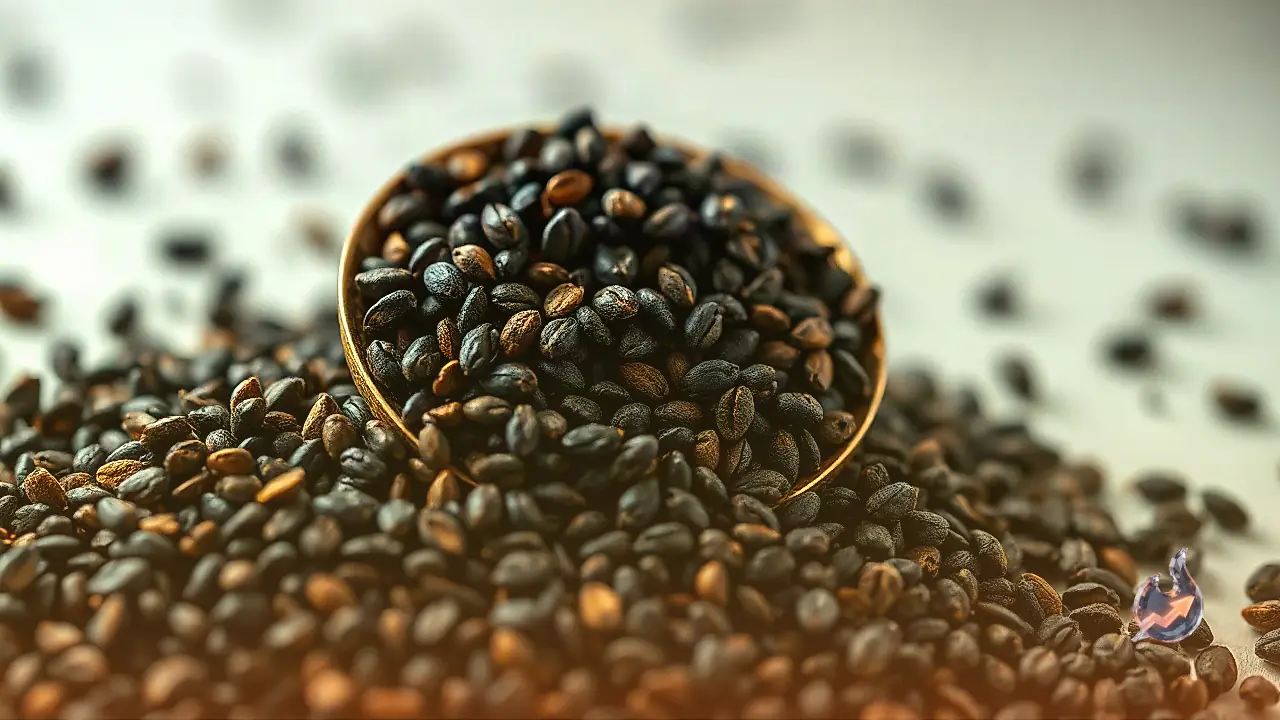

Kalonji, commonly known as black seed, is far more than just a staple spice used in culinary dishes. Beyond adding flavor, it serves as a potent natural remedy with remarkable health benefits. Despite its tiny appearance, black seed exerts a significant impact on both internal metabolic health and external skin conditions. Rooted in traditional wellness systems for centuries, kalonji continues to hold substantial relevance in modern health management. Prominent cardiologist Dr. Alok Chopra has detailed the medicinal advantages of kalonji while outlining effective ways to incorporate it safely into daily routines. From enhancing metabolic function to curbing chronic internal inflammation, proper usage of kalonji can support overall physical well-being.
5 Safe Methods to Consume and Apply Kalonji
To maximize the therapeutic potential of kalonji without triggering digestive or skin irritation, adopting correct consumption techniques is essential. Dr. Alok Chopra outlines five primary application methods
- Post-Meal Consumption: Taking approximately 0.5 to 1 teaspoon of kalonji daily after meals helps accelerate metabolic speed and reduces internal tissue inflammation.
- Combination with Raw Honey: Consuming a small quantity of kalonji mixed with raw honey in the morning supports gut health and strengthens immune system response.
- Integration with Lukewarm Water: Blending kalonji with lukewarm water offers a simple consumption routine that aids digestion and relieves heaviness when taken after eating.
- Topical Application for Skin: When addressing acne or localized skin inflammation, kalonji must always be diluted with a carrier oil such as coconut or almond oil. Applying raw kalonji directly can induce skin burning or irritation; hence, performing a preliminary patch test is strongly advised.
- Scalp and Hair Care Massage: For scalp care, mixing kalonji with a suitable base oil and gently massaging the scalp nourishes hair roots while diminishing dryness and redness.
Key Health Benefits and Bioactive Properties
The active constituents present in kalonji exert targeted positive effects across multiple physiological systems. While kalonji should never replace prescribed medical treatments, its preventative and supportive benefits are widely recognized
1. Metabolic Health and Blood Sugar Support
Active compounds within kalonji have been shown to support insulin sensitivity and assist in blood sugar regulation. However, individuals managing diabetes should view kalonji as a dietary aid rather than a substitute for clinical medications.
2. Reduction of Inflammation and Oxidative Stress
A major bioactive component found in kalonji is thymoquinone. Possessing potent antioxidant and anti-inflammatory properties, thymoquinone helps neutralize cellular oxidative stress and manage persistent systemic inflammation.
3. Immune System Modulation
Traditional medicine has long relied on kalonji to fortify defense mechanisms against pathogens. Modern scientific investigations continue to examine its immune-modulating characteristics and protective effects.
4. Digestive System Enhancement
Historically, kalonji has served as a reliable household remedy for gastrointestinal distress, including gas, abdominal bloating, and indigestion. Regular, moderate intake promotes overall digestive ease.
5. Hormonal Regulation and PCOS Management
Research has explored the potential of kalonji in supporting hormonal balance in women, particularly regarding polycystic ovary syndrome (PCOS) and androgen hormone levels. While preliminary findings are promising, experts emphasize the need for further clinical trial evidence.