























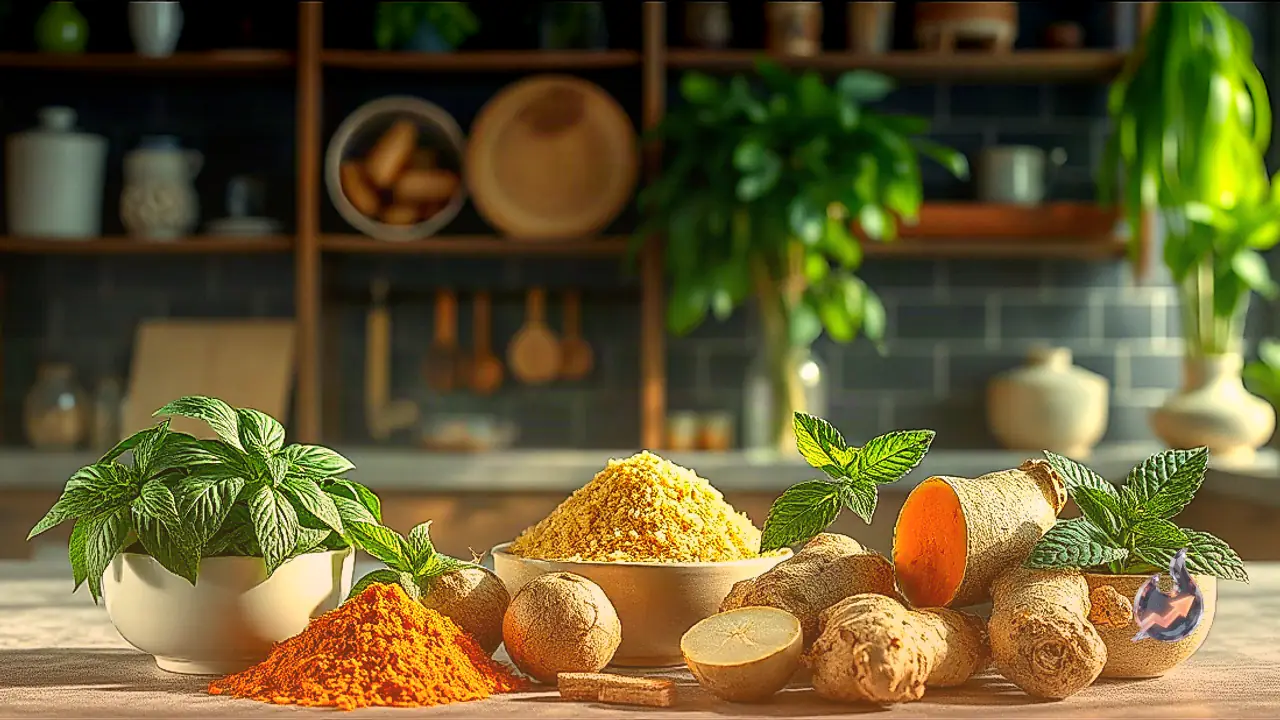

Traditional wellness systems across India have relied on native plants and kitchen botanicals for centuries, embedding these remedies into everyday nutrition and home care. Many of these common botanicals carry natural phytochemicals that modern medical science now actively investigates. The therapeutic response produced by these natural ingredients varies widely across individuals, hinging directly on dosage levels, physical health status, and the exact method of preparation. A closer look at five foundational plants highlights how traditional practices intersect with contemporary laboratory findings.
Therapeutic Qualities and Antioxidant Profile of Holy Basil
Regarded as a common staple across domestic households in India, holy basil functions as a revered medicinal herb. Freshly plucked leaves are routinely brewed into morning teas and restorative herbal decoctions. Plant analysis demonstrates that holy basil contains potent bioactive compounds, most notably eugenol. Modern scientific investigations confirm that these constituent elements provide marked antioxidant and anti-inflammatory properties. Health professionals emphasize, however, that consuming the herb cannot replace conventional clinical medical therapies for any diagnosed health condition.
Ashwagandha for Stress Mitigation and Restful Sleep
Recognized systematically in botanical literature as Withania somnifera, ashwagandha occupies a prominent role in longstanding Ayurvedic healing frameworks. Contemporary clinical researchers have focused on evaluating how this root impacts nervous system balance, perceived psychological stress, and overall sleep quality. While preliminary findings demonstrate clear therapeutic potential, healthcare specialists underline that starting an ashwagandha supplement regimen demands direct medical guidance, particularly for individuals managing preexisting conditions or taking prescription medications.
Turmeric and the Bioactive Strength of Curcumin
Golden turmeric serves as an indispensable aromatic spice in culinary traditions, while also carrying a rich legacy in holistic health practices. The primary functional compound within turmeric is curcumin, an agent extensively researched in pharmacological studies for its strong anti-inflammatory and cellular antioxidant capabilities. Integrating moderate culinary portions of dried ground turmeric into meals remains very distinct from consuming isolated high-potency curcumin extracts, making professional consultation essential before initiating concentrated nutritional supplements.
Digestive Comfort and the Pharmacological Role of Ginger
Fresh ginger root features prominently in cooking, hot beverages, and domestic remedies designed to soothe stomach discomfort. The pungent aroma and physiological benefits of the root stem largely from gingerol, an active bioactive compound. Controlled scientific evaluations have tracked gingerol's efficacy in alleviating gastrointestinal distress, speeding digestion, and easing persistent nausea. Introducing balanced, measured servings of fresh ginger into a daily diet provides practical everyday support for the digestive tract.
Mint Leaves and the Refreshing Impact of Menthol
Celebrated for its distinct cooling aroma and versatility, fresh mint is widely incorporated into cold beverages, herbal infusions, and culinary pastes. The botanical profile of mint leaves is driven heavily by menthol, a natural compound responsible for its cooling sensation. Multiple scientific reviews have evaluated specialized mint formulations and extracts for their influence on gastrointestinal regularity and soothing broader physical symptoms, reinforcing the sustained practical value of this aromatic garden herb.