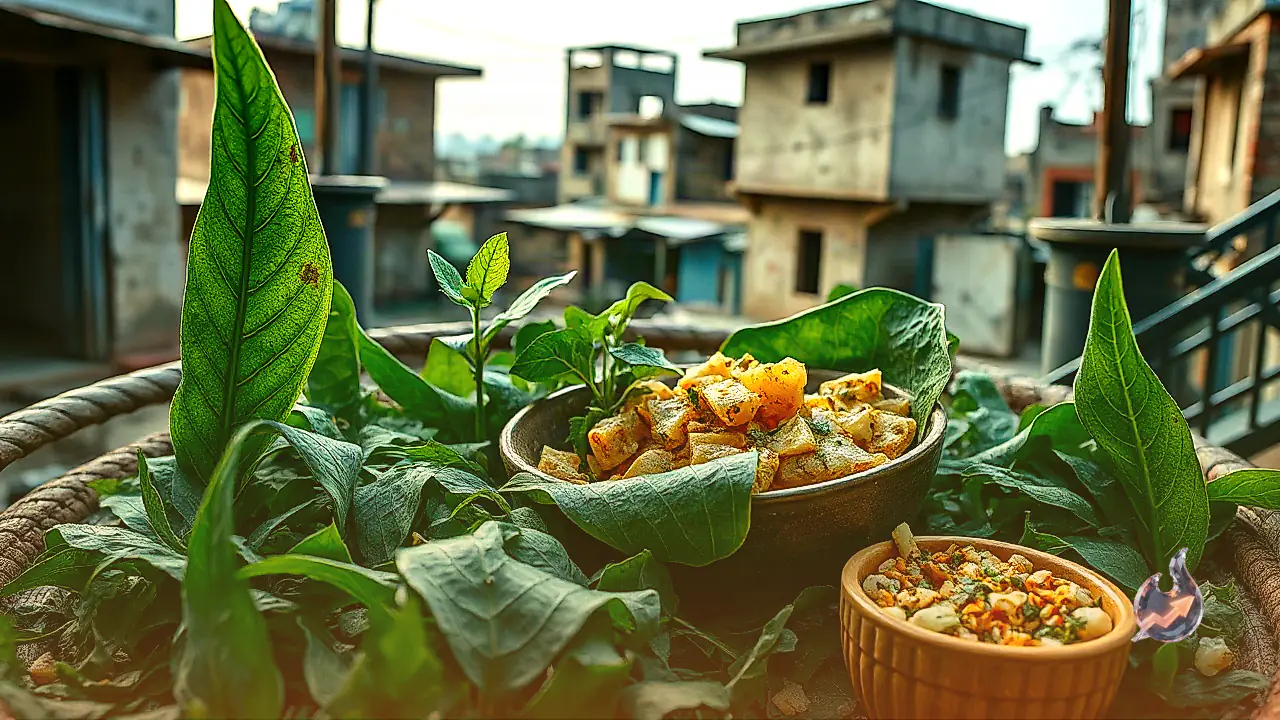

























Aquatic flora flourishing across calm ponds and still waters offers far more than aesthetic charm; several of these species have long served as edible resources within local monasteries and rural settlements. The water lily stands out as a prime example of such vegetation. Across numerous rural belts, specific parts of the plant, especially its seeds, have been consumed traditionally, reflecting regional culinary wisdom that harmonises with local aquatic ecosystems.
Traditional roots and village consumption of water lily seeds
Though modest in size, water lily seeds hold an established place in indigenous dietary customs. Village residents frequently prepare these edible components relying on ancestral methods and personal household practices handed down across generations. In earlier decades, when remote villages had access to only limited commercial food options, families naturally looked toward ponds and surrounding water reservoirs to gather wild, nourishing sustenance. This customary harvesting not only fulfilled nutritional requirements during specific seasons but also sustained regional food biodiversity.
Nutritional composition alongside scientific boundaries
Local communities widely regard water lily seeds as nutrient-bearing edible sources. Nevertheless, modern scientific evaluation regarding their precise nutritional values and therapeutic qualities remains relatively sparse. Because extensive laboratory trials are limited, these aquatic seeds should not be treated as a direct clinical cure or medical remedy for any specific pathological ailment. Much like other conventional botanical seeds, water lily seeds contain essential macronutrients including carbohydrates, proteins, fats, and related components. The exact concentration of these nutritional elements fluctuates depending upon the maturity stage of the harvested seed as well as the particular culinary technique utilised to process it.
Functional contributions to daily nutrition and diet
Evaluating their inherent nutritional makeup highlights several notable advantages associated with consuming water lily seeds
- Sustained energy provision: The carbohydrate content present in the seeds serves as an efficient metabolic fuel source, helping maintain physical vitality throughout everyday activities.
- Valuable protein contribution: Protein remains an indispensable building block for muscle maintenance and cellular tissue recovery, and these seeds supply a modest portion of this essential nutrient.
- Digestive health support: Where adequate dietary fibre is present within the seeds, it can assist smooth gastrointestinal movement and enhance regular digestive function. Comprehensive regional nutritional research remains necessary to thoroughly map these biochemical characteristics.
- Broadening dietary diversity: Incorporating wild aquatic ingredients helps rural households break monotony in their daily meals, integrating natural seasonal produce into everyday cooking.