



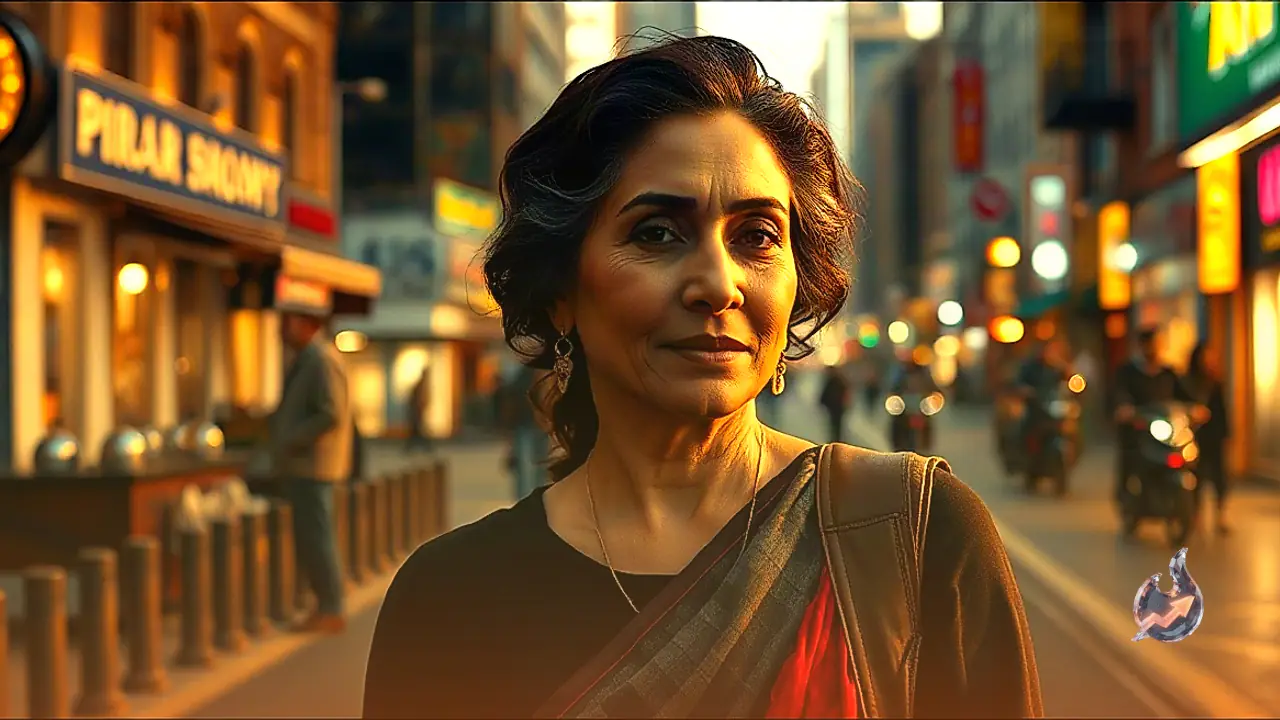

















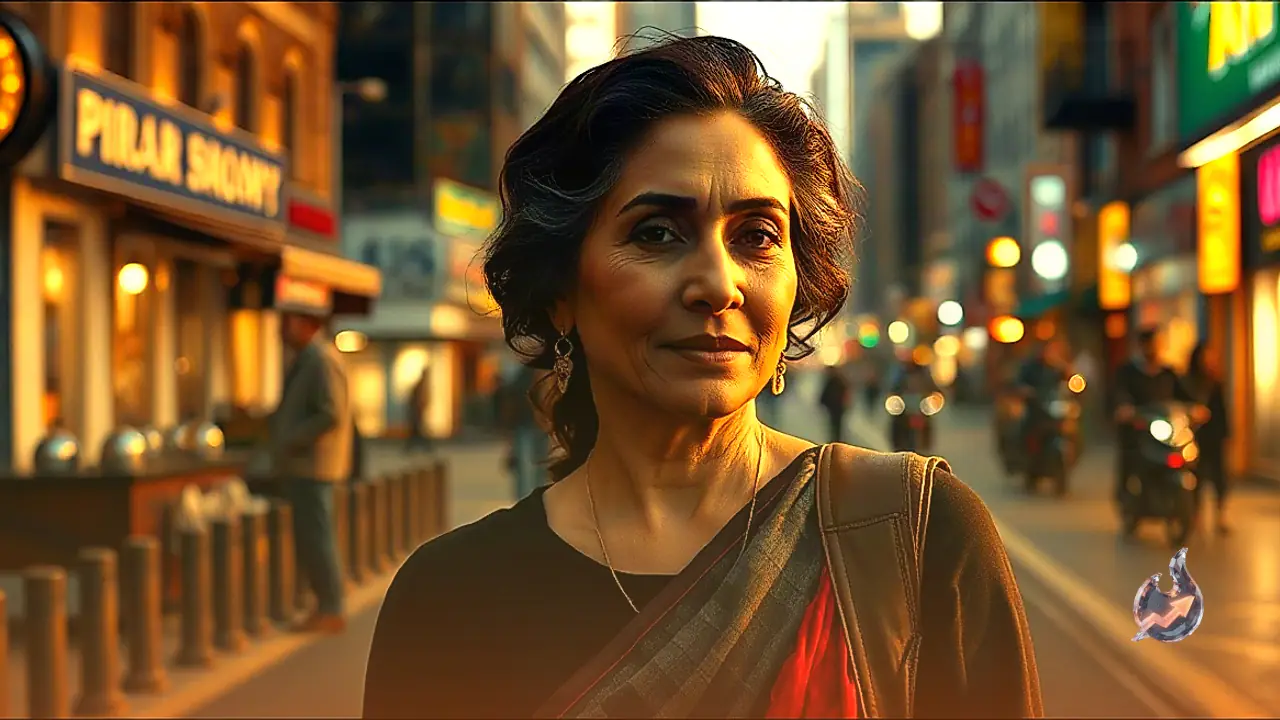

Behind the glittering facade of social media lies an aggressive underbelly of critics and commentators who constantly seek opportunities to undermine others. This reality resurfaced when actor Kareena Kapoor Khan posted a casual, happy photograph alongside her close friend Amrita Arora from a private get-together. While two friends spending joyful moments together is an ordinary human experience, the digital realm frequently proves unforgiving. Hostile online users swiftly swarmed the comment section, labeling both women as old in a deliberate bid to imply that their prime had passed and that they no longer fit conventional standards of beauty and relevance.
Refusing Silence in the Face of Online Hostility
Celebrities often handle digital derision by quietly deleting hateful comments or simply turning a blind eye. Breaking away from that pattern, Kareena Kapoor Khan chose direct confrontation. She captured a screenshot of the offending remarks, posted it directly to her Instagram stories, and offered an unapologetic critique of the culture of ageism. She questioned why calling someone old is consistently weaponized as an insult, emphasizing that to her, the term simply denotes growing older. She made it clear that aging brings a far higher degree of wisdom and life experience.
This candid counterpunch reached beyond a celebrity defending her image. It directly challenged the entrenched cultural prejudice that treats a woman's natural aging process as an inherent defect. Growing older is tangible evidence of living, surviving challenges, and steadily progressing through the diverse chapters of life, rather than something to conceal in shame.
The Double Standards of Aging and Gender
From a psychological standpoint, age shaming is a calculated effort to inflict humiliation and induce feelings of inferiority based strictly on chronological years. The burden of this social hostility falls disproportionately on women. Traditional social conditioning has long reduced a woman's value and identity to her youthful appearance and physical attractiveness. When a man ages, society routinely describes his gray hair and facial lines as marks of distinguished charm, seasoned judgment, and earned maturity.
In stark contrast, when a woman advances in years, conventional social norms often treat her as though she has reached an arbitrary expiration date. Subtle skin folds or natural under-eye circles are treated as signs of personal negligence or decline. This mindset stems from patriarchal attitudes that persist in viewing women primarily through the lens of decorative objects rather than as complete individuals who naturally evolve, learn, and grow more capable over time.
Understanding Aging Anxiety and Manufactured Insecurity
Mental health professionals frequently refer to this phenomenon as aging anxiety, an uneasy psychological dread centered around getting older. From early adolescence, women are bombarded with advertisements, fashion publications, and digital feeds that frame twenty-something faces as the exclusive standard of physical worth. When airbrushed perfection is continuously validated, everyday women inevitably internalize the fear that losing youthful features translates to a loss of respect, affection, and social standing.
Internet critics intentionally exploit this manufactured vulnerability. Calling a woman old is an attempt to strip away her perceived relevance. Kareena Kapoor Khan's direct response serves as a powerful psychological antidote to this fear. It reminds women that aging is neither a medical defect nor an unfortunate curse, but verifiable proof of years successfully navigated, obstacles surmounted, and personal growth achieved.
Why Breaking Free from Ageism is Imperative
Allowing the fear of aging to dictate daily life traps women in an exhausting cycle of hiding natural physical changes, overspending on cosmetic promises, and endlessly chasing unachievable standards. This constant anxiety quietly undermines peace of mind and emotional well-being. Casting aside these arbitrary limitations is crucial for multiple reasons
- The Power of Self-Acceptance: Fully embracing one's chronological age eliminates the craving for validation from online commentators. An individual's genuine worth is shaped by character, competence, and life experience rather than superficial digital filters.
- Setting Examples for the Next Generation: When adult women carry their years with confidence and dignity, they teach younger generations and daughters that growing older is an honorable milestone rather than a condition to dread.
- Reclaiming Mental Freedom: Stepping away from the constant worry over visible fine lines preserves vast reserves of mental and emotional energy. That focus can then be redirected toward ambitious goals, creative fulfillment, and personal development.
Embracing Wisdom and Personal Evolution with Pride
The perspective that maturity brings greater wisdom provides an empowering foundation for self-worth. Looking back objectively, few women would choose to permanently regress to their early twenties, an era frequently characterized by naive uncertainty, self-doubt, and the exhausting pressure to please others. The emotional equilibrium, resilience, and clarity developed through navigating life's complexities hold far greater enduring value than the fleeting aesthetic of youth.