



















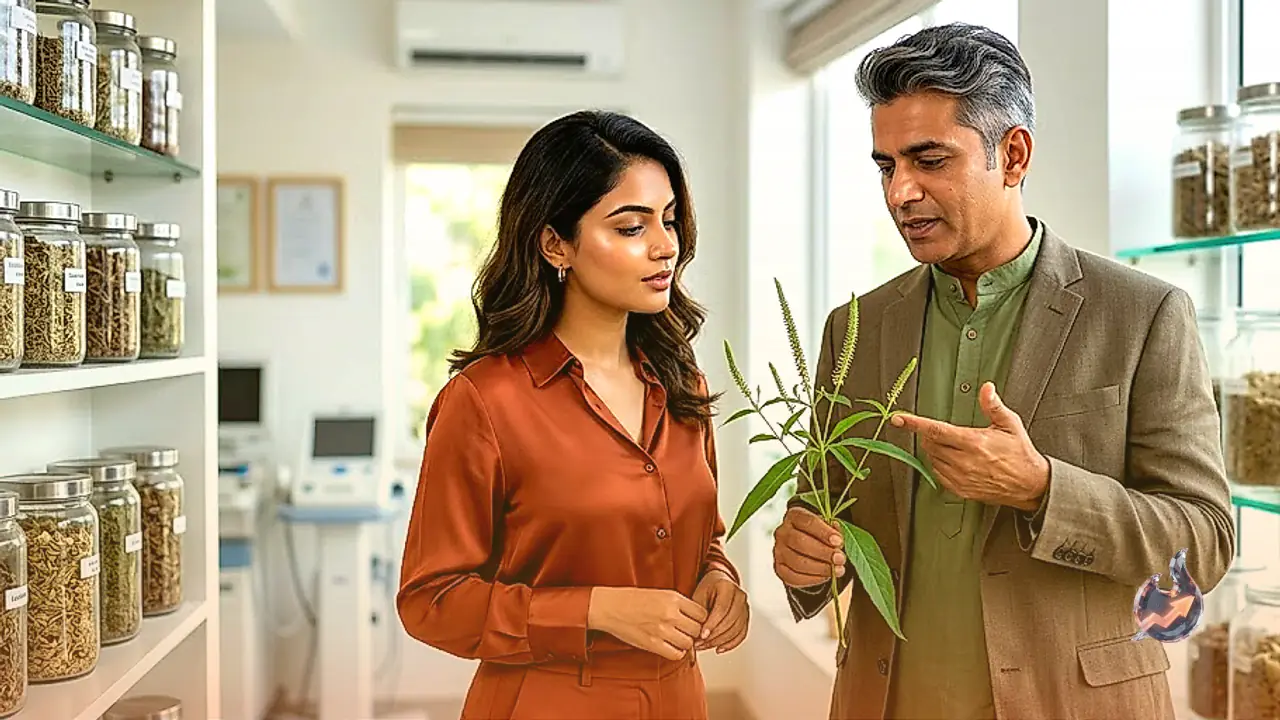

The Lahchichra plant, commonly seen growing wild across fields and vacant rural lands, is frequently dismissed by locals as a simple weed. However, traditional medicine systems assign significant value to this plant, where its leaves and other parts have long featured in local home remedies. Despite its historical usage, healthcare practitioners emphasize that utilizing wild flora for therapeutic purposes requires strict caution, as inappropriate application can lead to unwanted health complications.
Traditional Uses for Skin Ailments and Safety Precautions
In traditional herbal practices, Lahchichra has been routinely referenced for managing various skin conditions. Rural communities have historically prepared pastes from parts of the plant to apply over affected areas. According to Vaidya Vishnu Dutt Prajapati, consulting a qualified specialist before applying any raw plant paste directly onto the skin is essential. Applying unverified botanicals can trigger adverse reactions, including severe skin irritation, redness, or allergic flare-ups.
Application for Wounds and Minor Injuries
Folk medicine traditions also mention the use of Lahchichra for treating minor cuts, scrapes, and small surface wounds. Practitioners traditionally believed that specific components of the plant aided in wound care and recovery. However, Vaidya Vishnu Dutt Prajapati cautions that applying self-made herbal pastes to open or deep wounds without professional guidance poses safety risks and can introduce bacterial infections.
Digestive Relief and Risks of Unsupervised Consumption
Historical remedy records indicate that Lahchichra has also been utilized to address certain gastrointestinal and stomach issues. The dosage and preparation methods vary considerably depending on regional traditions. Vaidya Vishnu Dutt Prajapati explicitly warns individuals against self-administering the plant or brewing decoctions for internal consumption without expert supervision, as incorrect dosages can cause internal distress.
Importance of Accurate Botanical Identification
Accurate identification remains one of the most critical aspects when dealing with medicinal wild plants. Many plant species share remarkably similar visual characteristics, leading untrained individuals to confuse them easily. Consuming a misidentified plant can have toxic consequences. Vaidya Vishnu Dutt Prajapati stresses that anyone intending to use Lahchichra must first verify its exact identity with a certified Ayurvedic practitioner or a botanist.
Medical Consultation and Special Health Warnings
Vaidya Vishnu Dutt Prajapati underlines that a plant being natural does not automatically render it safe for everyone. Vulnerable groups, such as pregnant women, infants, elderly individuals, and patients taking ongoing prescription medications, must exercise heightened care. Under no circumstances should patients stop taking doctor-prescribed medications to replace them with unverified Lahchichra treatments.